
The Importance of Protein in Women’s Fitness Routines
In this page
This article explores the critical role protein plays in supporting women’s fitness, especially when they are starting a new exercise routine. It highlights the importance of choosing the right protein sources, understanding the body’s protein requirements, and how different factors such as age and activity level influence these needs. The blog also provides practical advice to maintain a balanced and effective diet that supports physical activity and overall well-being.

Scientific Background and General Context
Protein is an essential macronutrient that is crucial for numerous physiological functions in the body. It is composed of amino acids, which are the building blocks for tissues like skin, hair, muscles, and bones. Furthermore, proteins play a vital role in the functioning of the hormonal, nervous, circulatory, and immune systems. Therefore, ensuring an adequate intake of protein is fundamental for maintaining health and supporting physical activity.When it comes to physical activity, particularly for women embarking on fitness journeys, protein becomes even more significant. The body’s demand for protein increases as it works to repair and build new muscle tissues post-exercise, and to support recovery and adaptation to the physical stress of training. Inadequate protein intake can impede these processes, leading to muscle breakdown, increased fatigue, and suboptimal performance.

Daily Use and Lifestyle Applications
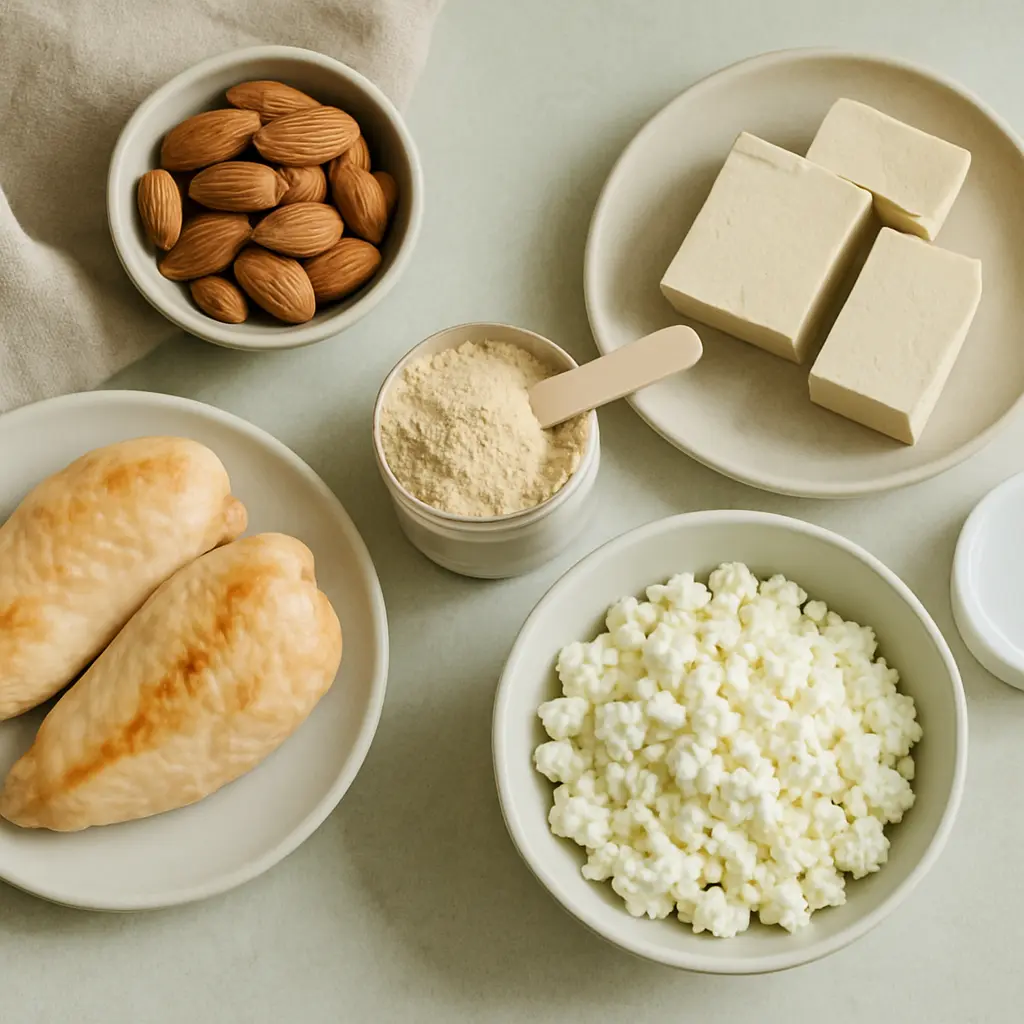
Starting a new exercise regimen requires adopting a diet that supports increased physical demands. Women who are new to training should focus on a diet that provides sufficient energy and nutrients to fuel workouts and aid recovery. Protein plays a pivotal role in this context, as it helps repair and build tissues and supports muscle growth and recovery post-exercise.A key aspect of building a suitable dietary plan is to avoid drastic changes that could lead to nutritional deficiencies or injuries. A balanced approach ensures that the body gets enough calories and nutrients to sustain exercise without causing harm. It’s crucial to incorporate a variety of protein sources such as lean meats, dairy, eggs, legumes, and nuts, which also provide essential vitamins and minerals.
Protein Requirements for Active Women
For women beginning regular workouts, protein intake should align with generally accepted recommendations for active individuals, which is approximately 0.64 to 0.91 grams per pound of body weight per day. For instance, a woman weighing 110 pounds may require between 70 and 100 grams of protein daily, while a woman weighing 165 pounds might need 105 to 150 grams.Older individuals and those with certain health conditions might aim towards the higher end of this range to optimize recovery and maintain muscle mass. It is also beneficial to distribute protein intake evenly throughout the day. Consuming protein every 3 to 4 hours can help maximize muscle protein synthesis and support ongoing recovery processes.
Choosing the Right Protein Sources
The type of protein consumed is as important as the quantity. High-quality proteins, which contain all essential amino acids, are vital for optimal health and performance. Animal-based proteins such as chicken, fish, and dairy are considered complete proteins, while most plant-based proteins may need to be combined (e.g., rice and beans) to achieve a complete amino acid profile.In addition to whole foods, protein supplements can be a convenient way to increase daily protein intake, especially for those with busy schedules. However, it’s important to choose supplements wisely, ensuring they complement a diet rich in whole foods rather than replacing it.
Balanced Perspective and Safety
While protein is crucial for active women, it is important to maintain a balanced perspective on its consumption. Excessive protein intake without adequate hydration or a balanced diet can lead to adverse effects such as kidney strain or nutrient imbalances. Therefore, protein should be part of a well-rounded diet that includes carbohydrates and fats, which are essential for energy and overall health.Women should also consider other lifestyle factors such as sleep, stress management, and hydration, which play significant roles in recovery and performance. Staying hydrated, getting sufficient rest, and managing stress are all integral components of a successful fitness journey.In conclusion, protein is an essential component of a healthy diet, particularly for women embarking on new fitness routines. By understanding and meeting protein needs, selecting appropriate sources, and maintaining a balanced diet, women can support their fitness goals effectively while promoting overall health and wellness.


