
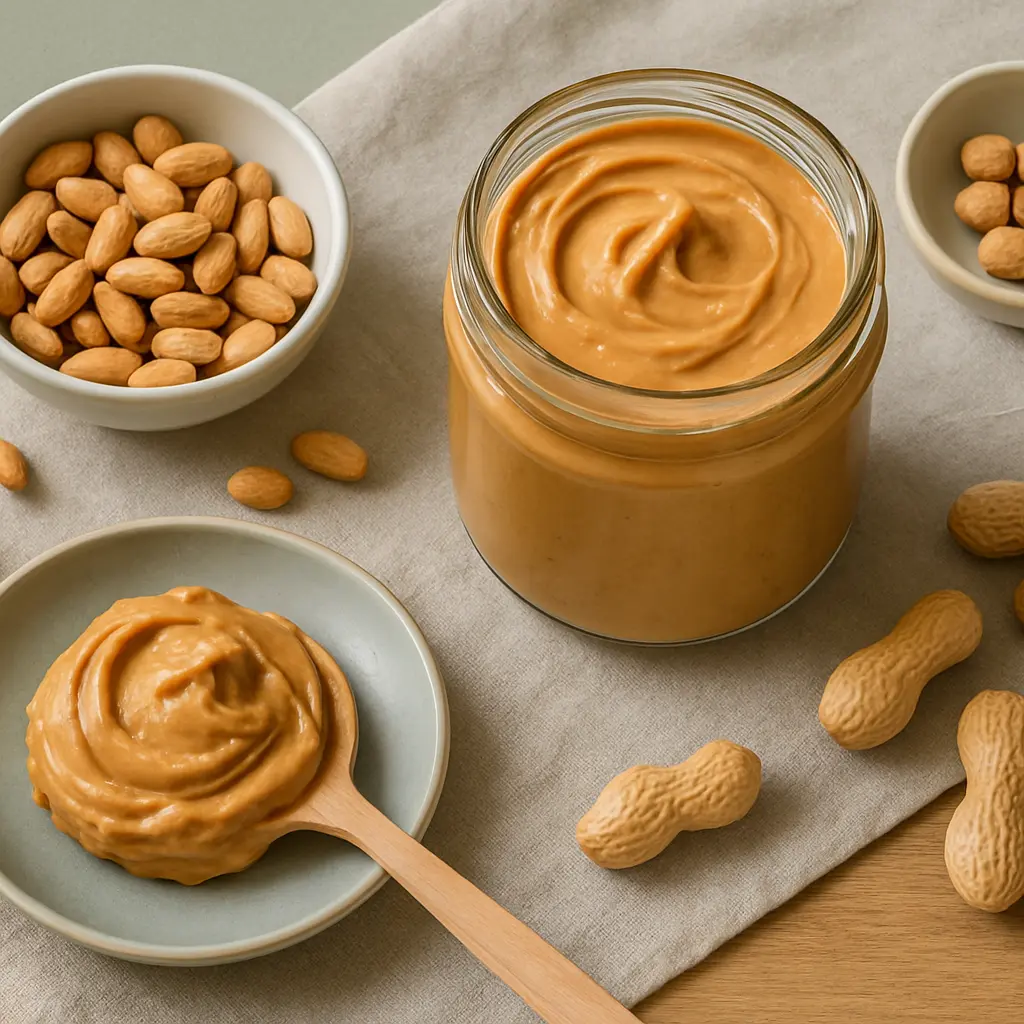
The Nutritional Marvel of Peanut Butter: A Comprehensive Guide
In this page
Peanut butter is a beloved staple in many households, cherished for its creamy texture and rich flavor. But beyond its delicious taste, what does peanut butter offer in terms of nutrition and health benefits? This article delves into the world of peanut butter, exploring its nutritional profile, potential health benefits, and considerations for choosing the best options for your diet. Whether you’re a long-time enthusiast or a curious newcomer, this guide aims to provide a well-rounded understanding of peanut butter’s place in a healthy lifestyle.

Scientific Background and General Context
Peanut butter is primarily made from ground peanuts, which are technically legumes, not true nuts. Despite this classification, peanuts are nutritionally similar to tree nuts, offering a wealth of health benefits. They are a rich source of healthy fats, particularly monounsaturated and polyunsaturated fats, which are essential for heart health. These fats help reduce bad cholesterol levels, lowering the risk of heart disease and stroke. Additionally, peanut butter is a good source of protein, providing a plant-based option for those seeking to increase their protein intake without relying on animal products.
Peanuts also contain a variety of essential micronutrients, including vitamins and minerals. Notably, they are high in Vitamin E, an antioxidant that helps protect cells from damage, and B vitamins like niacin (B3), which aids in energy production and cognitive function. Peanuts are also rich in magnesium, phosphorus, and potassium, all of which play crucial roles in maintaining bodily functions such as bone health, nerve function, and muscle contraction.
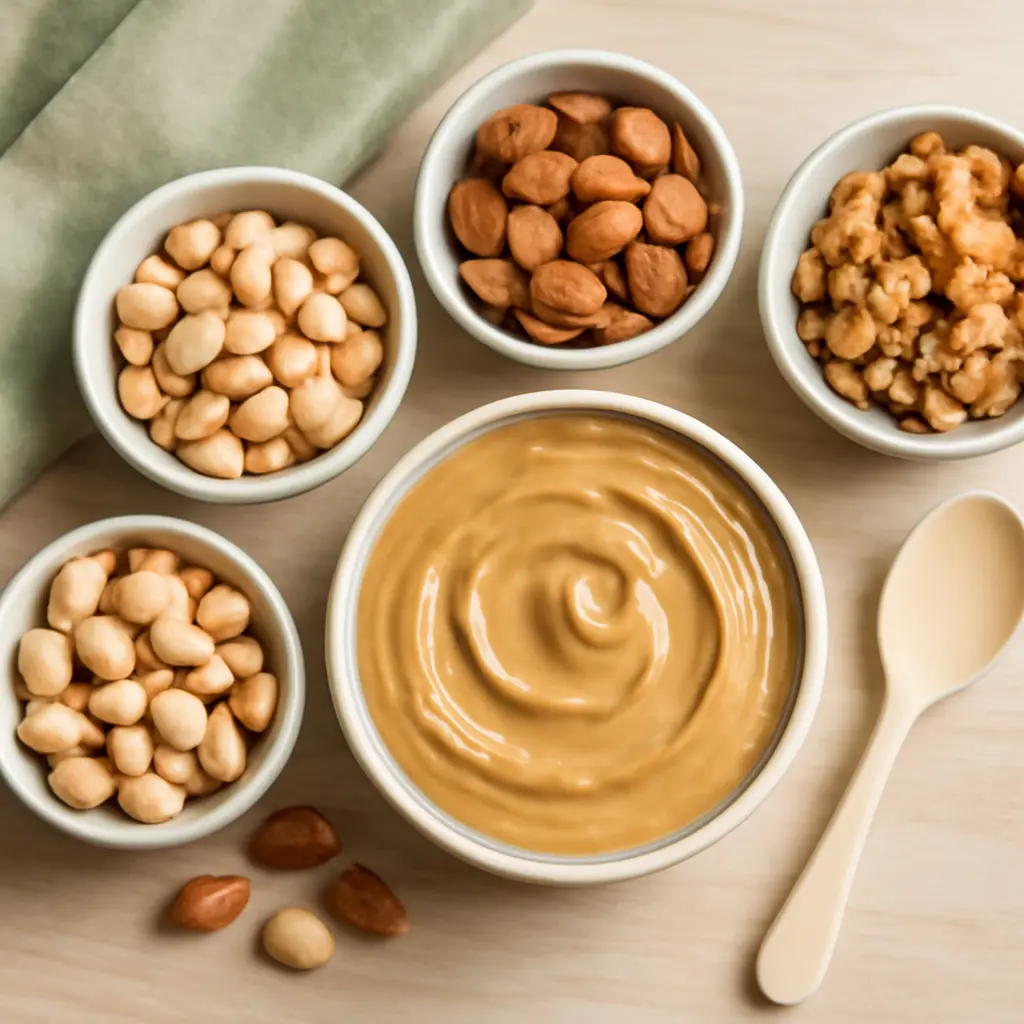
The Nutritional Powerhouses: Key Nut Varieties in Peanut Butter
While peanuts are the primary ingredient in traditional peanut butter, other nuts like almonds, cashews, and pistachios are often used to create a variety of nut butters. Each of these nuts has its own unique nutritional benefits:
Peanuts
Peanuts are one of the most protein-dense legumes, with about 25 grams of protein per 100 grams. They are also rich in folate, which is important for DNA synthesis and repair, and omega-6 fatty acids, which are crucial for brain function and normal growth and development. While they are affordable and widely available, it’s important to note that peanuts can be a common allergen, potentially causing severe reactions in sensitive individuals.
Cashews
Cashews are known for their creamy texture and mild flavor, making them a favorite for nut butter enthusiasts. They are packed with heart-healthy monounsaturated fats, vitamins such as B vitamins and Vitamin E, and minerals like magnesium and zinc. These nutrients contribute to improved bone health, immune function, and reduced inflammation. Cashew butter provides a rich and satisfying alternative to traditional peanut butter, suitable for those looking to diversify their nut butter options.
Almonds
Almonds are often hailed as the “king of nuts” due to their high nutritional content. They are particularly rich in magnesium, fiber, and Vitamin E. Almond butter offers a substantial amount of dietary fiber, aiding digestion and promoting feelings of fullness. The magnesium content supports muscle function and nerve signaling, while Vitamin E acts as a powerful antioxidant. Almond butter can be a valuable addition to a balanced diet, offering a range of essential nutrients.
Pistachios
Pistachios, though technically seeds, are often categorized with nuts due to their similar nutritional profile. They are rich in lutein and zeaxanthin, antioxidants that promote eye health and reduce the risk of age-related macular degeneration. Pistachios also provide a good source of protein and fiber while supporting cardiovascular health through their high potassium content. However, their higher price point may limit their accessibility compared to other nuts.
Daily Use and Lifestyle Applications
Incorporating peanut butter into your daily routine can be both simple and rewarding. It can serve as a quick, nutritious snack or be included in a variety of recipes. Here are some practical ways to enjoy peanut butter:
- Breakfast Boost: Spread peanut butter on whole-grain toast or add a dollop to your morning oatmeal for a protein-rich start to your day.
- Snack Smart: Pair peanut butter with apple slices, celery sticks, or a banana for a balanced snack that combines protein, healthy fats, and fiber.
- Smoothie Ingredient: Blend peanut butter into smoothies to enhance the texture and provide a creamy, nutty flavor.
- Baking Delight: Use peanut butter in baking for cookies, muffins, or energy bars to infuse a rich flavor and boost the nutritional content.
- Savory Sauces: Incorporate peanut butter into sauces for dishes like satay or stir-fries, adding depth and richness to your meals.
Balanced Perspective and Safety
While peanut butter offers numerous benefits, it’s crucial to be mindful of its consumption and quality. Here are some considerations to ensure you’re making the most health-conscious choices:
Reading Labels
Not all peanut butters are created equal. Some brands add sugars, salt, and hydrogenated oils to enhance flavor and texture, which can detract from the health benefits. When selecting peanut butter, aim for products with minimal ingredients—ideally just peanuts and perhaps a bit of salt. Avoid those with added sugars or oils.
Portion Control
Peanut butter is calorie-dense, which means it’s easy to overconsume. Be mindful of serving sizes, typically around 2 tablespoons, to avoid excessive calorie intake. Balancing your peanut butter consumption with other nutrient-dense foods can help maintain a healthy diet.
Potential Allergens
As peanuts are a common allergen, it’s crucial to be aware of any allergies within your household or social circle. Cross-contamination can occur if utensils or surfaces aren’t properly cleaned, so take precautions if you or someone you know has a peanut allergy.
Conclusion
Peanut butter is more than just a tasty treat—it’s a nutrient-rich food that can support a balanced diet when chosen and consumed thoughtfully. By understanding its nutritional profile, exploring different nut varieties, and incorporating it into a variety of meals, you can enjoy the benefits of peanut butter while maintaining a healthy lifestyle. Remember to prioritize high-quality products and be mindful of portion sizes to maximize its health potential. Whether you’re spreading it on toast or stirring it into a flavorful sauce, peanut butter can be a versatile and valuable addition to your diet.


