
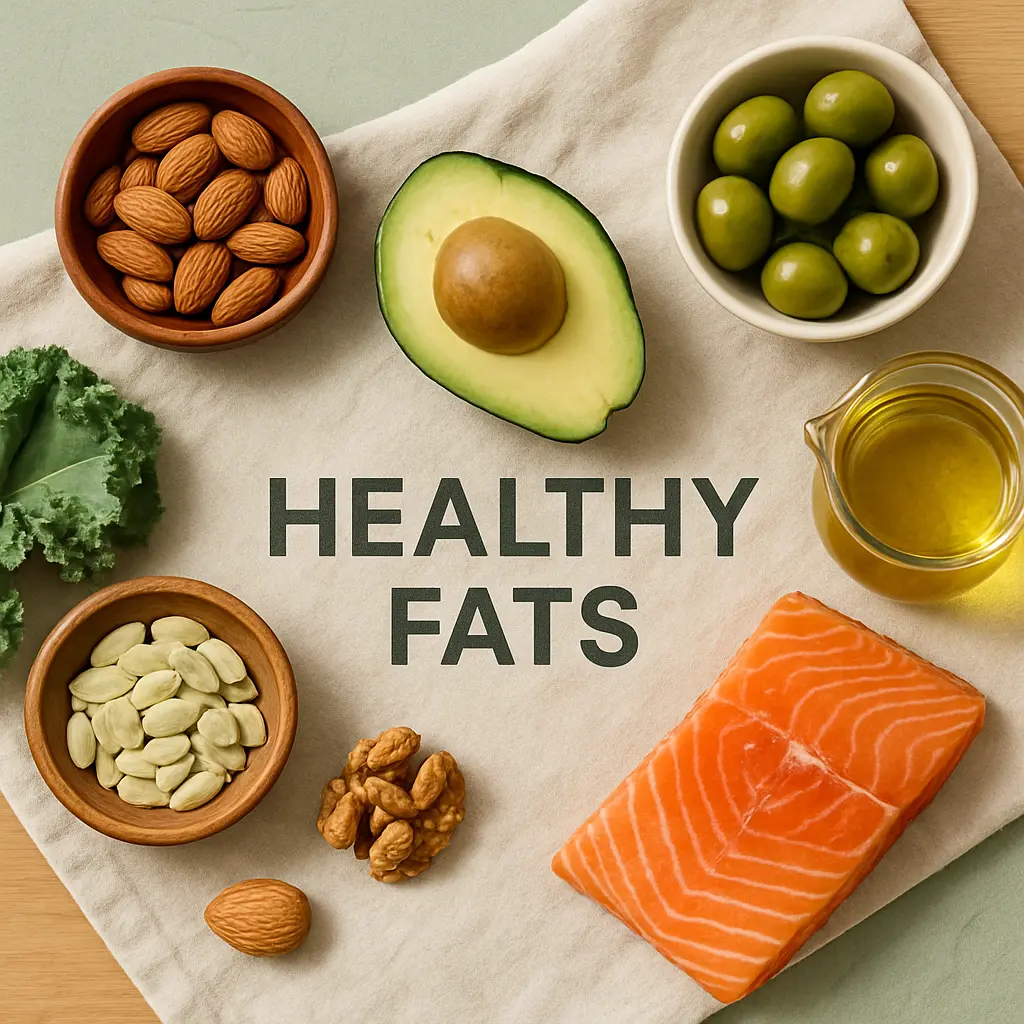
The Power of Healthy Fats: A Comprehensive Guide to Beneficial Fats in Your Diet
In this page
In recent years, high-fat diets have gained popularity as a potential approach to health and wellness. The focus on consuming healthy fats, alongside quality proteins, is claimed to offer various benefits such as satiety and improved health markers. This article explores the scientific background and practical applications of incorporating healthy fats into your diet. We will discuss what constitutes healthy fats, their benefits, and the best sources to include in your daily meals.

Scientific Background and General Context
For decades, dietary fats have been misunderstood and often maligned. In the 1970s, Dr. Robert Atkins introduced a diet low in carbohydrates and high in fats and proteins, suggesting this approach could address obesity more effectively than low-fat diets. Over time, the perception of fats has evolved, and today, nutritionists recognize that not all fats are created equal. The focus has shifted to distinguishing between harmful and beneficial fats.
Healthy fats, particularly unsaturated fats, play crucial roles in bodily functions. Omega-3 and Omega-6 fatty acids are polyunsaturated fats essential for optimal health. They support brain function, reduce inflammation, and promote heart health. However, the typical Western diet is often skewed in favor of Omega-6 fats, neglecting the beneficial Omega-3s. This imbalance can lead to health issues, underscoring the need for a balanced intake of fats.

The Benefits of Healthy Fats
Incorporating healthy fats into your diet can lead to a multitude of health benefits. These include improved heart health, better cognitive function, and enhanced absorption of fat-soluble vitamins such as A, D, E, and K. Furthermore, healthy fats have been linked to reduced risk of heart disease, improved cholesterol levels, and aid in weight management by promoting satiety.
Top Sources of Healthy Fats
Coconut Oil
Coconut oil is a rich source of medium-chain triglycerides (MCTs), which are known to boost metabolism and provide an immediate source of energy. With antibacterial and cleansing properties supported by over 1,500 scientific studies, coconut oil is a versatile ingredient suitable for cooking and skin care.
Avocado
Avocados are packed with monounsaturated fats, which help maintain healthy cholesterol levels. They are rich in vitamin E, which supports the immune system and prevents cell damage. Avocado oil, with its high smoke point, is excellent for cooking and adds a creamy texture to dishes like guacamole or smoothies.
Mackerel
While salmon is often highlighted for its Omega-3 content, mackerel offers almost four times the amount of Omega-3 fatty acids. This makes it a valuable addition to any diet. Mackerel is best consumed grilled or steamed, as opposed to smoked, to preserve its nutritional benefits.
Dark Chocolate
Dark chocolate, particularly varieties containing at least 85% cocoa, is a delicious way to incorporate healthy fats into your diet. It is low in sugar and high in antioxidants, making it a guilt-free treat. Dark chocolate can enhance the flavor of oatmeal, baked goods, and other recipes.
Salmon
Salmon is a favorite for many due to its high-quality fatty acids and protein content. It is versatile in the kitchen, complementing salads, pastas, or simply grilled with herbs. When selecting salmon, opt for wild-caught to ensure a higher quality and nutrient profile.
Nuts
Nuts such as cashews, pistachios, Brazil nuts, hazelnuts, and almonds are excellent sources of vitamin E, fiber, and protein. They are best consumed unsalted and without added flavorings. Nut butters made from 100% nuts can also be a flavorful addition to meals.
Eggs
Contrary to outdated beliefs, eggs are not detrimental to cholesterol levels. They contain healthy fats and are an excellent source of protein. Eggs support numerous body functions without significantly affecting blood cholesterol levels when consumed in moderation.
Omega-3 Supplements
While obtaining nutrients from whole foods is ideal, Omega-3 supplements can fill dietary gaps. These supplements are affordable and convenient, ensuring sufficient intake of these essential fatty acids, especially for those with dietary restrictions.
Chia Seeds
Chia seeds are a valuable source of Omega-3 and fiber, making them a versatile addition to diets. They can be incorporated into smoothies, oatmeal, or even used as an egg substitute in vegan recipes.
Olive Oil
Despite the rise of other oils, extra virgin olive oil remains a staple in many kitchens. It is rich in vitamins E and K and provides a wealth of antioxidants. Olive oil is perfect for salads and remains a cost-effective, nutrient-dense choice.
Daily Use and Lifestyle Applications
Incorporating healthy fats into your daily diet doesn’t have to be complicated. Start by replacing saturated fats with healthier options. Use olive oil for dressings, add avocado to salads, enjoy a handful of nuts as a snack, and opt for fatty fish like salmon or mackerel a few times a week. Coconut oil can be used in baking or as a moisturizer, while chia seeds can be added to morning smoothies for an extra nutrient boost.
Balancing your intake of Omega-3 and Omega-6 fatty acids is also vital. Aim for a ratio that supports health rather than one that promotes inflammation. This involves reading labels, choosing whole foods, and considering supplements if necessary.
Balanced Perspective and Safety
While healthy fats are beneficial, moderation is key. Overconsumption of any nutrient, even healthy ones, can lead to imbalances and health issues. A balanced diet that includes a variety of nutrients is most beneficial.
It’s also important to consider the source and quality of fats. Organic, non-GMO, and sustainably sourced options are preferable. When choosing supplements, look for third-party tested products to ensure quality and efficacy.
Conclusion
Incorporating healthy fats into your diet provides numerous benefits that support overall health and well-being. By understanding the sources and effects of different types of fats, you can make informed choices that align with your dietary needs and health goals. While some options may be more expensive, investing in high-quality fats is an investment in your health. A balanced approach that includes a variety of fats, alongside other macronutrients, will support a healthy lifestyle and prevent potential health issues.


