
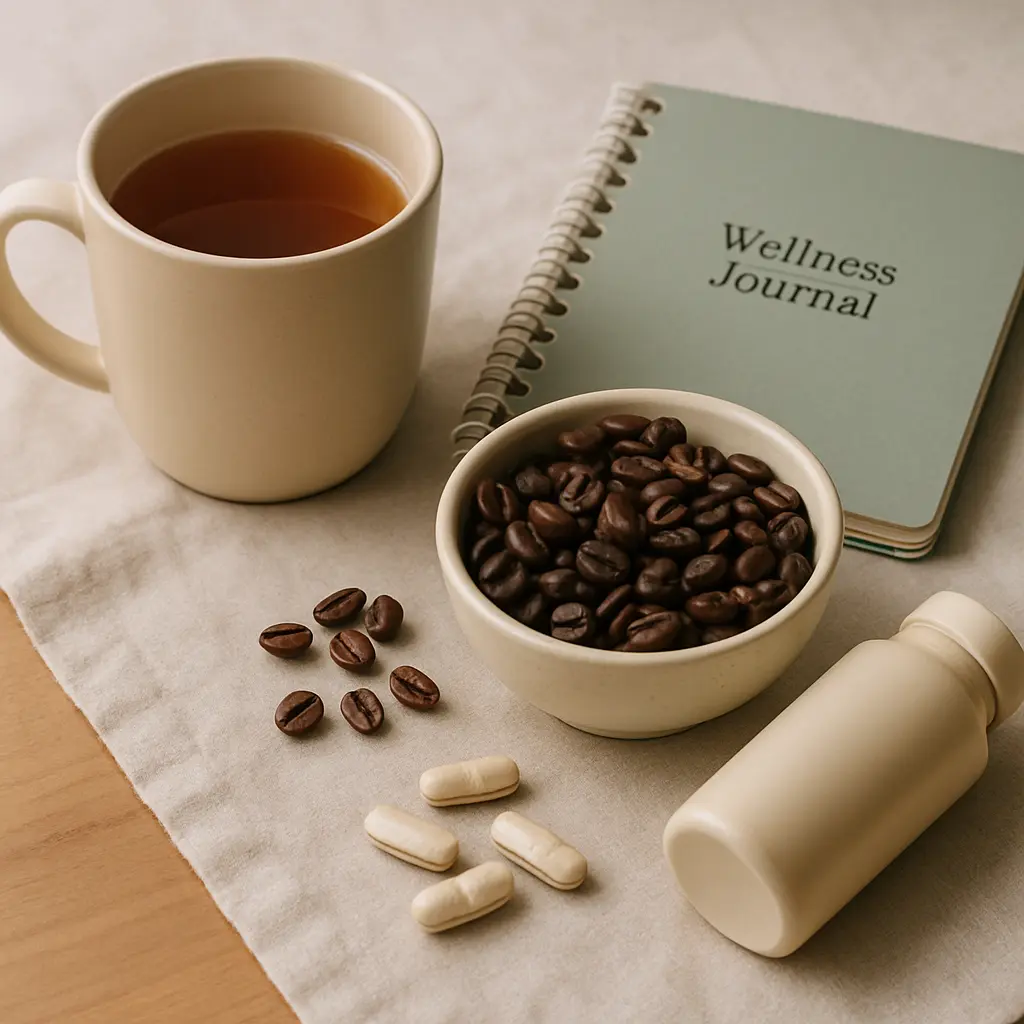
The Intricacies of Caffeine: Benefits, Usage, and Safety
In this page
Caffeine is a well-known stimulant that has become an integral part of modern life, consumed in various forms from coffee to energy drinks. While its role in enhancing physical and mental performance is widely recognized, understanding its mechanisms, appropriate usage, and safety limits is crucial for optimal benefits. This article explores the scientific background of caffeine, its application in daily life, and considerations for safe consumption.

Scientific Background and General Context
Caffeine is a naturally occurring compound found in over 60 plant species, with the most common sources being coffee beans, tea leaves, cacao pods, and kola nuts. Its primary mechanism of action involves the antagonistic blocking of adenosine receptors in the brain. Adenosine, a neurotransmitter, promotes relaxation and sleepiness by slowing down nerve activity. By inhibiting adenosine’s action, caffeine increases the release of other neurotransmitters like dopamine and norepinephrine, leading to heightened alertness and reduced perception of fatigue.Caffeine also affects the phosphodiesterase enzyme system, which plays a role in the degradation of cyclic adenosine monophosphate (cAMP). The increase in cAMP levels contributes to caffeine’s stimulating effects, enhancing nerve signal transmission and metabolic activity. Additionally, caffeine influences calcium ion release in cells, further supporting its role in boosting energy and performance.

Daily Use and Lifestyle Applications
Caffeine consumption is embedded in various cultural and social practices worldwide. For many, the day begins with a cup of coffee, providing the necessary jolt to kickstart mental and physical activities. Caffeine is sought not just for its stimulating effects but also for its role in enhancing cognitive functions such as memory, concentration, and overall mental acuity.In the athletic world, caffeine is utilized as an ergogenic aid. Pre-workout caffeine consumption is common among athletes due to its ability to delay fatigue and improve endurance. The recommended dose for enhancing physical performance typically ranges from 1.8 to 5.5 mg/lb of body weight, which translates to approximately 180 to 450 mg for an individual weighing 160 lbs. It’s essential to note that the optimal dose can vary widely among individuals, influenced by factors such as genetic predisposition and habitual caffeine use.Beyond sports, caffeine is a popular aid for students and professionals engaged in mentally demanding tasks. It can assist in maintaining focus during prolonged periods of study or intense intellectual work. However, reliance on caffeine should be balanced with adequate rest and healthy lifestyle choices to prevent dependence and ensure sustainable performance.
Balanced Perspective and Safety
While caffeine offers numerous benefits, it is not without potential drawbacks. The body’s response to caffeine differs between individuals due to genetic factors affecting metabolism and sensitivity. Consequently, what constitutes a beneficial dose for one person might lead to adverse effects in another. Common side effects of excessive caffeine intake include jitteriness, increased heart rate, anxiety, and digestive issues.To minimize risks, it is crucial to approach caffeine consumption judiciously. The general consensus among health experts suggests that moderate caffeine intake—up to 400 mg per day for most adults—is safe and unlikely to cause harm. This is roughly equivalent to four 8-ounce cups of brewed coffee. However, it is advisable to gradually build up to higher doses, particularly for those considering caffeine for performance enhancement, to assess tolerance and avoid potential side effects.Vulnerable populations, such as pregnant women, individuals with heart conditions, and those with anxiety disorders, may need to adhere to stricter limits or avoid caffeine altogether. Furthermore, combining caffeine with other stimulants, such as those found in energy drinks or pre-workout supplements, should be approached cautiously to prevent excessive stimulation.
Conclusion
Caffeine remains a widely utilized and researched compound with well-documented benefits for enhancing physical and cognitive performance. Understanding its mechanisms, appropriate dosing, and safety considerations is crucial for maximizing its positive effects while minimizing risks. Whether as a morning ritual or a pre-exercise boost, caffeine can be a valuable tool for improved performance and alertness when used responsibly.


