
The Essential Role of Selenium in Health and Wellness
In this page
Selenium is a vital trace element that, despite being needed in small amounts, plays a significant role in maintaining overall health. This essential mineral is involved in various bodily functions, influencing everything from cardiovascular health to thyroid function and immune response. This article explores the properties, actions, and implications of selenium deficiency, as well as guidelines for its appropriate supplementation to ensure optimal well-being.

Scientific Background and General Context
Selenium is a trace mineral crucial to many physical processes, existing naturally in certain foods and available as a dietary supplement. It is a component of selenoproteins, which are essential for antioxidant defense and thyroid hormone metabolism. The body requires a relatively small daily intake of selenium—about 55 micrograms for adults—however, this modest amount is pivotal in supporting various physiological functions.
The discovery of selenium dates back to the early 19th century, and its importance has been increasingly recognized, particularly for its role in preventing oxidative stress, supporting reproductive health, and potentially reducing the risk of certain diseases. Being an integral component of glutathione peroxidase, selenium helps to neutralize free radicals, thus protecting cells from damage and supporting the immune system.

The Properties and Benefits of Selenium
Cardiovascular Health
Selenium is renowned for its antioxidant properties, which contribute significantly to cardiovascular health. By enhancing the activity of glutathione peroxidase, selenium helps reduce oxidative stress, thereby limiting inflammation within arteries and blood vessels. This reduction in inflammation lowers the levels of oxidized LDL cholesterol, a known contributor to atherosclerosis. Consequently, selenium supplementation may ameliorate lipid profiles, positively influencing cardiovascular disease outcomes.
Additionally, selenium improves blood circulation and lymphatic fluid drainage, which can prevent excessive swelling and promote cardiovascular health. This mineral’s ability to maintain vascular integrity suggests its role as a protective agent against heart disease.
Thyroid Gland Function
The thyroid gland, responsible for regulating metabolism, is particularly dependent on adequate selenium levels. Selenium aids in the conversion of the thyroid hormone thyroxine (T4) to its active form, triiodothyronine (T3), by supporting the activity of the enzyme iodothyronine deiodinase. Adequate selenium levels can reduce the presence of thyroid antibodies, such as anti-TPO and anti-TG, which are often elevated in autoimmune thyroid conditions like Hashimoto’s thyroiditis.
Thus, by optimizing thyroid hormone production and reducing autoimmune activity, selenium supports metabolic health and overall well-being.
Immune System Enhancement
Selenium is essential for robust immune system function. It increases the activity of various antioxidant enzymes, including those in the glutathione peroxidase family, which help neutralize harmful free radicals. This detoxification process stabilizes inflammatory responses to manageable levels, thereby enhancing the body’s resilience to environmental pathogens.
The mineral also activates certain lymphocytes that are instrumental in targeting and destroying pathogenic cells, boosting the body’s defense mechanisms against infections and illnesses.
Protection Against DNA Damage
Another critical function of selenium is its ability to protect DNA from oxidative damage, thus reducing mutation rates and potentially lowering the risk of cancer development. Adequate selenium intake is associated with a reduced risk of several cancers, including those of the breast, prostate, lung, and colon.
By maintaining healthy DNA integrity and supporting cellular repair mechanisms, selenium plays a part in longevity and cancer prevention.
Neuroprotection
Selenium’s antioxidative properties extend to the brain, where it helps protect neuronal cells from degenerative processes. Sufficient selenium levels are tied to a reduced risk of neurodegenerative diseases like Alzheimer’s and Parkinson’s and may help mitigate cognitive decline.
The mineral’s ability to alleviate inflammation in neural tissues underscores its potential as a protective agent against age-related neurological disorders.
Daily Use and Lifestyle Applications
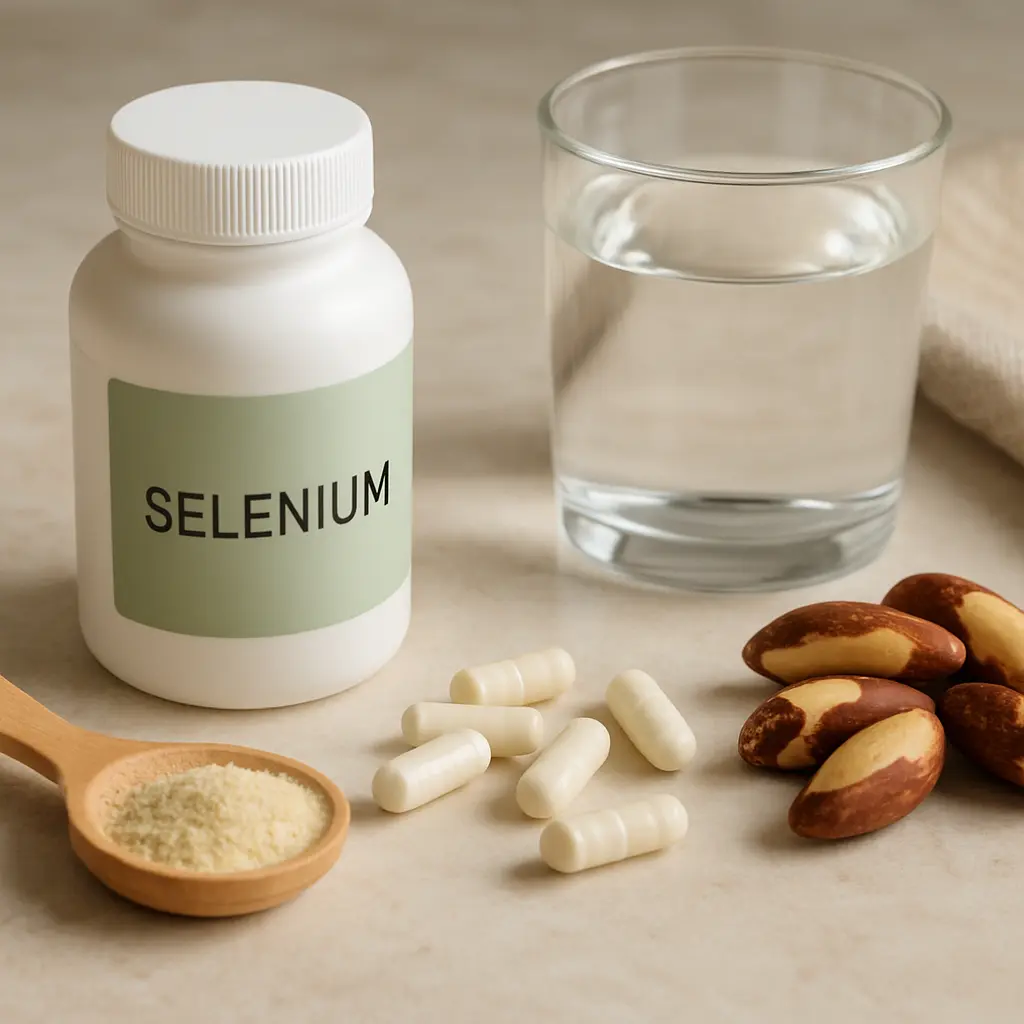
For individuals seeking to maintain optimal health, incorporating selenium through diet or supplements can be beneficial. Selenium is naturally found in foods like nuts (particularly Brazil nuts), seafood, organ meats, and grains. Ensuring a diet rich in these foods can help achieve adequate selenium intake.
For those considering supplements, it is crucial to adhere to recommended dosages. While the typical supplement dose ranges from 100 to 200 micrograms per day, it is advisable to consult with a healthcare professional before starting supplementation, especially if higher doses are considered.
Balanced Perspective and Safety
While selenium is vital for numerous health benefits, it is important to avoid excessive intake, as selenium toxicity can occur. Symptoms of toxicity include gastrointestinal distress, hair loss, fatigue, and neurological symptoms. The upper intake level for selenium is set at 400 micrograms per day, beyond which adverse effects may occur.
Balancing selenium intake is crucial, as both deficiency and excess can pose health risks. Individuals should aim for dietary sources and consider supplementation only if dietary intake is insufficient or specific health conditions warrant it.
Conclusion
Selenium is an essential mineral that supports many critical bodily functions. From boosting cardiovascular health and enhancing immune response to protecting thyroid function and safeguarding against oxidative stress, its benefits are wide-ranging. Adequate selenium intake is vital for maintaining overall health, while understanding and managing supplementation can help prevent deficiencies and avoid toxicity.
By integrating selenium-rich foods into one’s diet and supplementing wisely under professional guidance, individuals can harness the full spectrum of selenium’s health benefits, supporting long-term wellness and vitality.


