
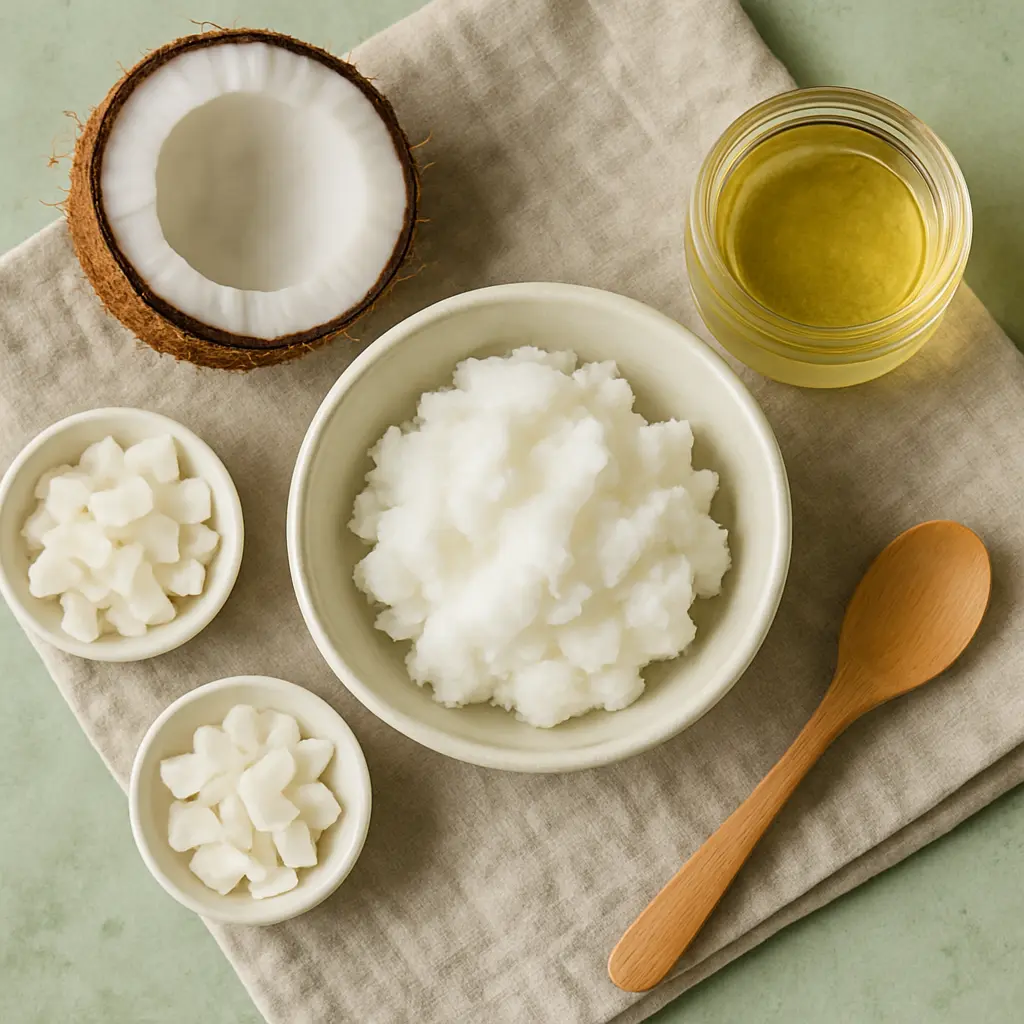
The Multifaceted Benefits of Coconut Oil
In this page
Coconut oil has garnered significant attention in recent years as a versatile and valuable addition to a healthy lifestyle. Despite being seen as a relatively new discovery in some parts of the world, coconut oil has been a dietary staple in many tropical regions for generations. This article explores the diverse applications and scientific insights into coconut oil, focusing on its health benefits, culinary uses, and role in personal care. By the end of this page, you’ll have a comprehensive understanding of why coconut oil has earned its place as a prominent superfood.

Scientific Background and General Context
Coconut oil is derived from the kernel or meat of mature coconuts harvested from the coconut palm. Known scientifically as Cocos nucifera, this oil is rich in medium-chain triglycerides (MCTs), primarily lauric acid. MCTs are metabolized differently than long-chain triglycerides, providing a readily available energy source for the body. This unique property underpins many of the health benefits of coconut oil.Historically, coconut oil has been utilized in tropical and subtropical regions for its nutritional and medicinal properties. It is often referred to as “nature’s miracle oil” due to its wide range of uses and benefits. However, with the rise of the health and wellness movement, its popularity has spread globally, leading to increased scientific interest and research into its effects.

Health Benefits of Coconut Oil
Cooking and Culinary Uses
Coconut oil is renowned for its stability at high temperatures, making it an excellent choice for cooking. Unlike other oils that may oxidize and become harmful when heated, coconut oil remains stable, retaining its beneficial properties and imparting a subtle flavor to dishes. Its high smoke point makes it ideal for frying, baking, and sautéing.Additionally, coconut oil can contribute to better digestion. It aids the absorption of fat-soluble vitamins and minerals and has been shown to help with conditions such as irritable bowel syndrome due to its soothing properties.
Support for Metabolism and Weight Management
One of the more surprising attributes of coconut oil is its role in weight management. The MCTs in coconut oil can increase energy expenditure, leading to enhanced fat burning. Studies suggest that incorporating coconut oil into the diet may help in reducing abdominal fat, a risk factor for various chronic diseases.Furthermore, coconut oil can act as an appetite suppressant. Consuming coconut oil can lead to a feeling of fullness, reducing overall calorie intake. This makes it a valuable addition to a weight loss diet.
Immune System Enhancement
Lauric acid, the predominant MCT in coconut oil, exhibits antimicrobial properties. It can combat harmful pathogens such as bacteria, viruses, and fungi, thus supporting the immune system. Regular consumption of coconut oil may contribute to a decreased frequency of infections and illnesses.
Potential Neurological Benefits
Emerging research suggests a link between coconut oil and neurological health. The ketones produced from the MCTs in coconut oil provide an alternative energy source for the brain, which may be beneficial in conditions such as Alzheimer’s disease. While more research is needed, preliminary studies indicate that coconut oil could play a role in cognitive health.
Daily Use and Lifestyle Applications
Personal Care and Skin Health
Coconut oil is a popular ingredient in natural skincare products. Its moisturizing properties make it an excellent base for lotions and creams, providing hydration and nourishment to the skin. It can also be used as a natural remedy for skin conditions such as eczema and psoriasis, thanks to its anti-inflammatory effects.Moreover, as a hair treatment, coconut oil can improve the health and appearance of hair by adding shine and reducing protein loss. It is often used as a deep conditioning treatment and is believed to help prevent hair loss by maintaining scalp health.
Natural Remedies and Home Uses
Beyond personal care, coconut oil can be used in various home remedies. It serves as an effective natural remedy for small scrapes and burns due to its protective barrier and antibacterial properties. Coconut oil can also be used as a natural mouthwash in a practice known as oil pulling, which may contribute to oral hygiene by reducing harmful bacteria and plaque.In the household, coconut oil can be used as a natural polish for wood and leather surfaces. Its moisturizing properties also make it a handy alternative to commercial shoe polish.
Balanced Perspective and Safety
While coconut oil offers numerous benefits, it is essential to consider its saturated fat content. Although the MCTs in coconut oil are metabolized differently than other saturated fats, moderation is key to maintaining a balanced diet. Individuals with specific dietary restrictions or health conditions should consult with healthcare professionals before making significant changes to their diet.Additionally, not all coconut oil is created equal. When choosing coconut oil, opting for unrefined, cold-pressed versions is preferable, as they retain more of the natural nutrients and aroma of coconut. Refined coconut oil, while suitable for high-heat cooking, may lack some of the beneficial compounds found in unrefined oil.
Conclusion
Coconut oil’s wide-ranging applications and benefits make it a valuable addition to any lifestyle focused on health and wellness. From culinary uses to personal care and potential health benefits, it is clear why coconut oil is celebrated as a multifaceted superfood. As research continues to uncover more about this remarkable oil, its role in promoting health and wellbeing is likely to grow even further. Embracing the versatility of coconut oil can provide numerous advantages, making it a worthy inclusion in the pursuit of a healthy, balanced lifestyle.


