Let's Shape The Future Of Your Investments!
Natoque iaculis cursus augue urna commodo aptent morbi tortor porttitor quis ornare.

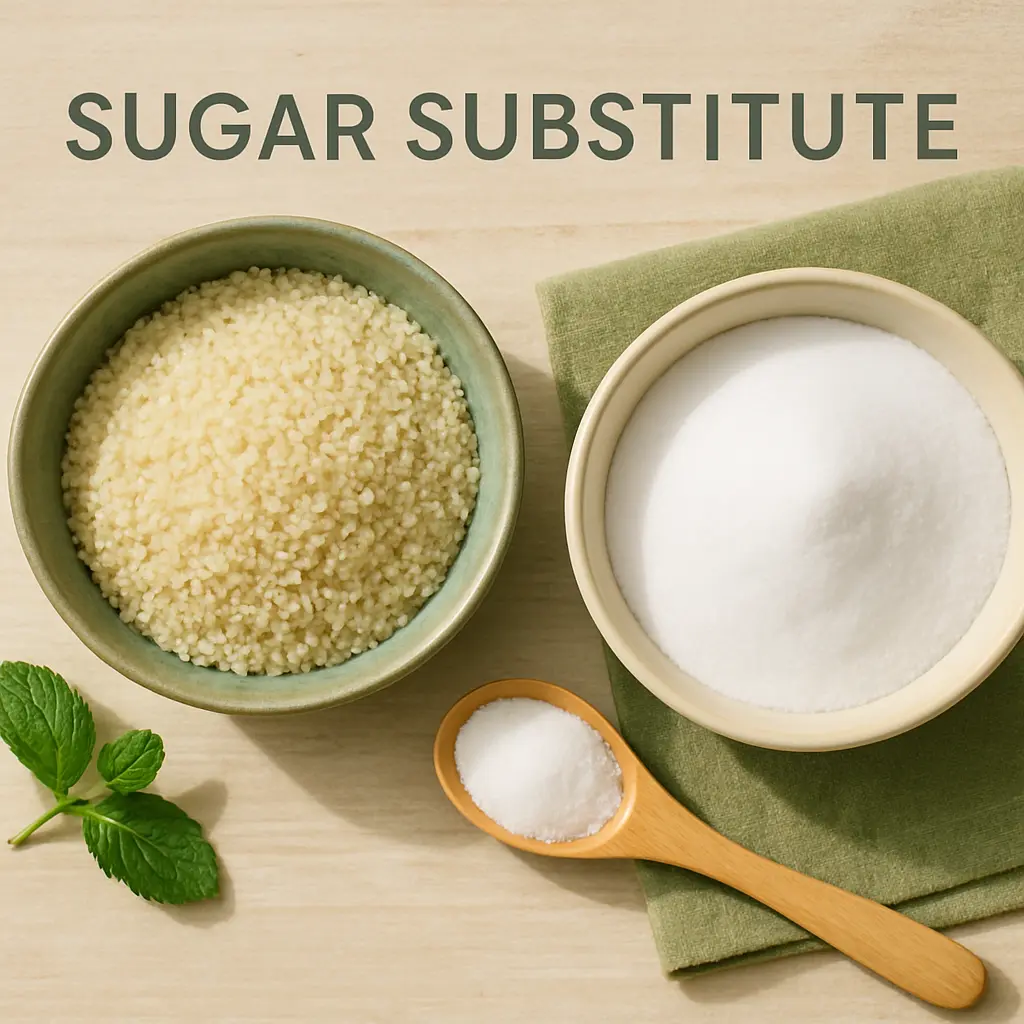
With increasing awareness of the health risks associated with high sugar consumption, many people are seeking healthier, lower-calorie alternatives. Among the most popular substitutes are xylitol and erythritol, which, while similar, possess distinct characteristics. This article delves into the properties, benefits, and potential drawbacks of these sugar alcohols, offering guidance on selecting the best option based on individual health needs and lifestyle preferences.

Sugar alcohols, also known as polyols, have gained attention as effective sweeteners that offer taste profiles similar to sugar but with fewer calories and a lower impact on blood sugar levels. Xylitol and erythritol are two prominent examples of these substances that occur naturally in small quantities in fruits and vegetables. Unlike artificial sweeteners, these compounds undergo minimal processing, maintaining a more ‘natural’ label that appeals to health-conscious consumers.The rise in popularity of sugar alcohols can be attributed to increasing rates of obesity and diabetes, conditions often linked to excessive sugar consumption. Traditional sugar, or sucrose, can cause rapid spikes in blood glucose levels, which is a concern for individuals managing diabetes or insulin resistance. On the contrary, sugar alcohols like xylitol and erythritol have significantly lower glycemic indexes, making them suitable alternatives for maintaining more stable blood sugar levels.
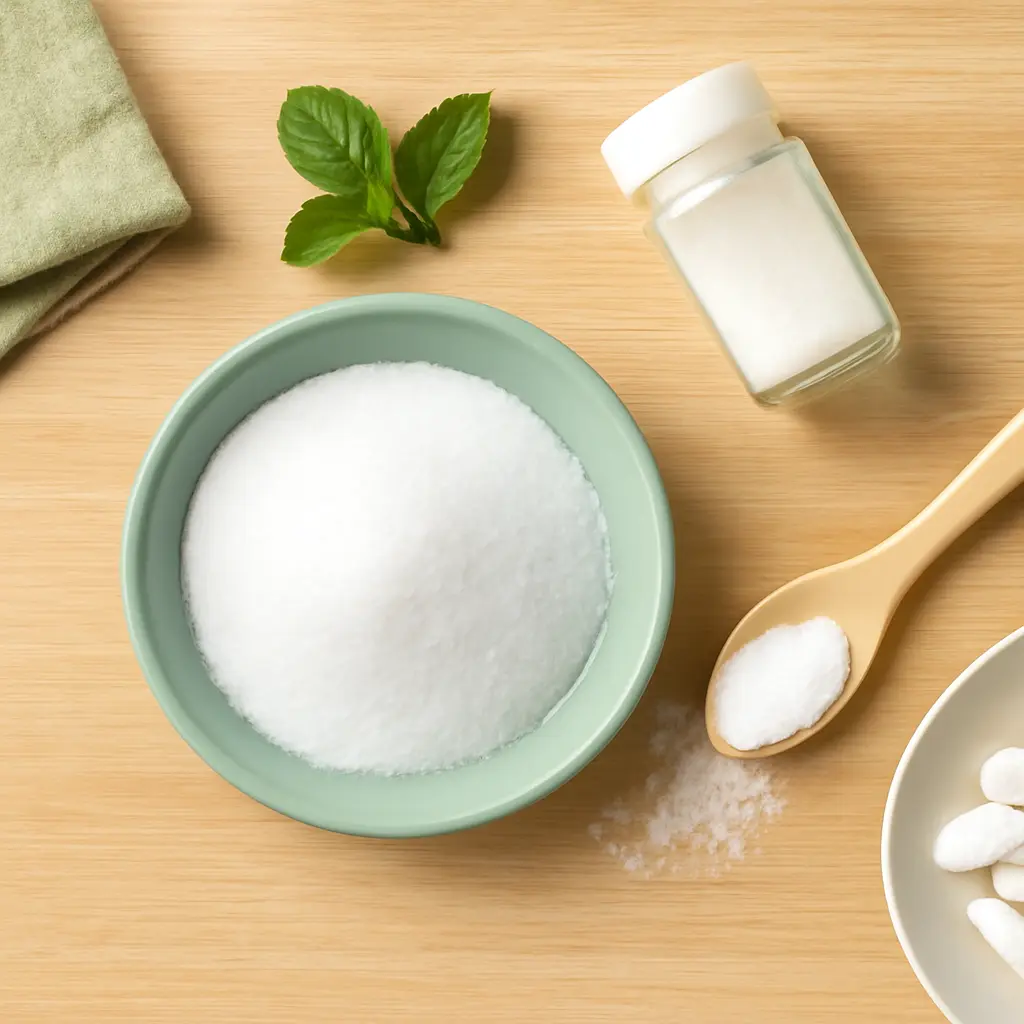
Xylitol, often referred to as birch sugar, is a naturally occurring sugar alcohol found in many fruits and vegetables, as well as in birch trees. It is widely used as a sugar substitute due to its sweet taste, which closely resembles that of sucrose, and its relatively low glycemic index, typically ranging from 7 to 13. This low glycemic index means that xylitol does not cause the rapid blood sugar spikes that are associated with regular table sugar, making it a favorable option for individuals with diabetes or those seeking to limit their caloric intake.
Xylitol has a similar sweetness level to sugar, but with 40% fewer calories, providing about 2.4 calories per gram. Beyond its role as a sweetener, xylitol is noted for its dental benefits. It has been shown to reduce the risk of tooth decay by inhibiting the growth of cavity-causing bacteria in the mouth. As a result, xylitol is commonly found in sugar-free chewing gums and dental care products like toothpaste and mouthwash.Despite its benefits, xylitol should be consumed in moderation. Excessive intake can lead to gastrointestinal discomfort, such as bloating or diarrhea, particularly for individuals who are sensitive to sugar alcohols.
Erythritol is another sugar alcohol that is almost non-caloric, containing just 0.2 calories per gram. It is naturally present in certain fruits and fermented foods and is industrially produced through the fermentation of glucose with yeast. Erythritol is unique among sugar alcohols because the human body absorbs it into the bloodstream before excreting it via urine, which minimizes the likelihood of digestive issues often associated with other polyols.
Erythritol boasts a glycemic index of zero, meaning it does not affect blood glucose levels at all. This makes it an excellent choice for people managing diabetes or those on low-carbohydrate diets. Unlike xylitol, erythritol does not support bacterial fermentation in the mouth, thus it does not contribute to tooth decay. One of the primary advantages of erythritol over other sugar alcohols is its high digestive tolerance. Since it is efficiently absorbed and excreted by the body, it is less likely to cause the gastrointestinal side effects that can occur with xylitol.
When comparing xylitol and erythritol, several factors come into play, including sweetness, caloric content, glycemic impact, and potential health benefits.- **Sweetness and Caloric Content**: Xylitol is approximately as sweet as sugar, while erythritol is about 70% as sweet. While both are lower in calories than sugar, erythritol is nearly calorie-free, which can be advantageous for those counting calories closely.- **Glycemic Impact**: Xylitol has a slight impact on blood sugar, whereas erythritol has none, making erythritol the better option for those with strict glycemic control requirements.- **Dental Health**: Both xylitol and erythritol contribute to oral health, but xylitol is noted for its more pronounced anti-cariogenic properties.- **Digestive Tolerance**: Erythritol is better tolerated in larger quantities compared to xylitol, which can cause digestive discomfort if consumed excessively.
– Supports oral health by reducing cavity-causing bacteria.- Provides sweetness similar to sugar with fewer calories.- Has a lower glycemic index than sugar, beneficial for managing blood sugar levels.
– Can cause digestive issues such as bloating or diarrhea if consumed in large amounts.- Although lower in calories, it is more calorie-dense compared to erythritol.
– Almost calorie-free, making it ideal for calorie-restricted diets.- Does not affect blood glucose levels, suitable for diabetic individuals.- Generally well-tolerated by the digestive system, even in higher amounts.
– Less sweet than sugar, which may require a larger quantity to achieve the desired sweetness.- Unlike xylitol, less effective in actively combating oral bacteria.
Incorporating xylitol or erythritol into a daily diet can be a strategic choice for those looking to reduce sugar intake without sacrificing sweetness. Xylitol is particularly useful in products aimed at improving dental health, such as chewing gums and toothpastes. It can also be a suitable sugar replacement in baking, although its caloric content is a consideration for those on strict calorie-controlled diets.Erythritol, with its almost negligible caloric content, is ideal for sweetening beverages or foods in a calorie-conscious diet. Its ability to provide sweetness without affecting blood sugar levels makes it a versatile ingredient for diabetic-friendly recipes and low-carb baking.
While both xylitol and erythritol are generally considered safe for human consumption, individual tolerance varies. Xylitol’s potential digestive issues necessitate moderated consumption, especially for those new to sugar alcohols. Erythritol, due to its unique metabolic pathway, offers a gentler introduction to sugar alcohols for sensitive individuals.Pet owners should be aware that xylitol is highly toxic to dogs and should be kept out of reach. In the case of accidental ingestion, immediate veterinary attention is required.
Xylitol and erythritol represent effective, healthier alternatives to traditional sugar, each with unique properties that cater to specific dietary needs and health goals. Xylitol is beneficial for dental health, while erythritol offers a nearly calorie-free solution for managing blood sugar levels. Selecting between these sweeteners should be guided by personal health considerations, taste preferences, and lifestyle goals. As part of a balanced diet, both can contribute to a healthier, sweeter life.


