

The Wonders of Creamed Honey: A Sweet Solution to Health and Enjoyment
In this page
Honey is not just a natural sweetener; it is an ancient superfood cherished for its culinary and therapeutic benefits. This article delves into creamed honey, a unique form of this golden elixir, exploring its sensory qualities, production process, and health benefits. By understanding creamed honey’s distinct properties and potential applications, readers can appreciate its role in both nutrition and lifestyle.

Scientific Background and General Context
Honey has been an integral part of human culture for thousands of years, with evidence of its use dating back to ancient civilizations. It was not only prized for its sweetness but also revered for its medicinal properties. Honey’s composition is complex, containing a mix of sugars, enzymes, amino acids, minerals, and antioxidants, which contribute to its health-promoting capabilities. Its antibacterial and anti-inflammatory properties have been recognized in both folk medicine and modern scientific research.
Creamed honey, also known as whipped or spun honey, is a form of honey that has undergone controlled crystallization to achieve a smooth, spreadable consistency. While natural honey crystallizes over time, this process can be uneven and lead to large crystals that are less appealing in texture. By controlling crystallization, creamed honey offers a uniform and creamy texture, making it an attractive option for both culinary uses and health applications.
The Process of Creaming Honey
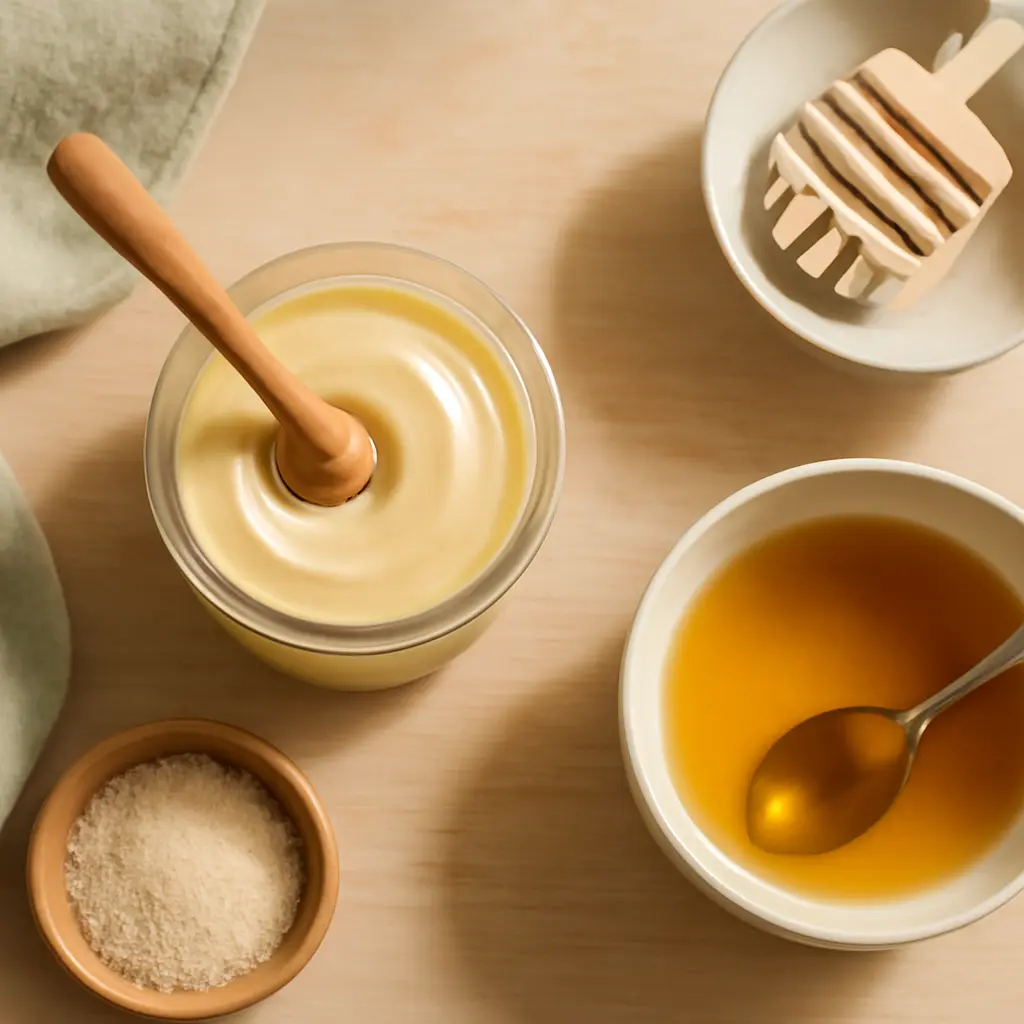
Creaming honey involves a controlled crystallization process that enhances its texture without compromising its natural properties. In natural conditions, honey will crystallize over time, but this process can be slow and result in a gritty texture due to the formation of large sugar crystals. Creaming allows for the production of small, uniform crystals, giving the honey a smooth, buttery consistency.
To create creamed honey, producers often start by adding a small amount of finely crystallized honey to liquid honey. The mixture is then stored at a cool temperature and gently stirred to encourage the formation of small crystals. This method prevents the growth of large crystals and results in a consistently creamy product that does not separate or become grainy.
The controlled environment of this process not only enhances the texture but also preserves the nutritional benefits of honey, ensuring that its health-promoting compounds remain intact. As a result, creamed honey can be an excellent choice for those who enjoy the flavor and health benefits of honey but prefer a more spreadable form.
Properties of Creamed Honey
Creamed honey is distinguished by its smoothness and subtle flavor, which can vary depending on the floral source of the original honey. Its lower moisture content gives it a thicker consistency, making it ideal for spreading on bread and incorporating into recipes without the messiness of liquid honey.
Unlike liquid honey, creamed honey does not drip or create sticky residues, making it a convenient option for culinary applications. Its lighter color, often achieved during the creaming process, can also be visually appealing, adding a touch of elegance to breakfast tables and dessert platters.
Furthermore, creamed honey can be infused with various flavors, such as vanilla, cinnamon, or even citrus, to enhance its taste profile. This versatility allows it to complement a wide range of dishes, from savory to sweet, without overpowering the other flavors.
Health Benefits of Honey
While creamed honey is enjoyed primarily for its texture and flavor, it retains the health benefits associated with natural honey. Honey is renowned for its antimicrobial properties, which can be beneficial for wound healing and treating minor burns and infections. Its antioxidant content helps combat oxidative stress, which is linked to chronic diseases and aging.
Consuming honey has been associated with improved gut health due to its prebiotic components, which promote the growth of beneficial bacteria. It can also help soothe sore throats and alleviate symptoms of the common cold, thanks to its natural soothing properties.
Moreover, honey’s anti-inflammatory effects can aid in managing conditions like gastrointestinal ulcers and cardiovascular issues. It is a natural energy source, providing a quick carbohydrate boost, making it particularly useful for athletes and those engaged in strenuous activities.
Daily Use and Lifestyle Applications
Incorporating creamed honey into your daily routine can be both a delicious and health-conscious choice. It can easily replace sugary spreads and syrups, offering a natural alternative that is rich in flavor and nutrients. Spread it on toast, add it to tea or coffee, or use it as a sweetener in baking for a healthier option.
Creamed honey’s stable consistency makes it easier to measure and use in recipes, ensuring even distribution throughout dishes. This consistency also means it can be stored at room temperature without the risk of crystallizing into hard clumps, preserving its smooth texture over time.
For those interested in a more holistic approach to wellness, creamed honey can be part of a natural skincare regimen. Its antimicrobial and moisturizing properties make it suitable for homemade face masks and scrubs, promoting healthy skin and a natural glow.
Balanced Perspective and Safety
While honey is generally safe for most people, it is important to note that it should not be given to infants under one year of age due to the risk of botulism. Adults and older children can safely enjoy honey in moderation, but those with diabetes or similar health conditions should monitor their intake, as honey is a natural sugar.
When purchasing honey, opt for high-quality, raw, and unprocessed varieties to ensure you receive the full spectrum of nutrients. Creamed honey, when made from pure, raw honey, offers a similar level of nutritional benefits as its liquid counterpart.
As with any food product, it is essential to ensure that honey is part of a balanced diet. While it can provide health benefits, it is most effective when consumed as part of a varied and nutritious diet that includes other whole foods like fruits, vegetables, lean proteins, and whole grains.
In conclusion, creamed honey is a delightful and healthful addition to any diet, offering both taste and nutrition in a convenient package. Whether used as a spread, a sweetener, or a natural remedy, its creamy texture and health benefits make it a versatile superfood worthy of its esteemed status in both culinary and wellness circles.


