
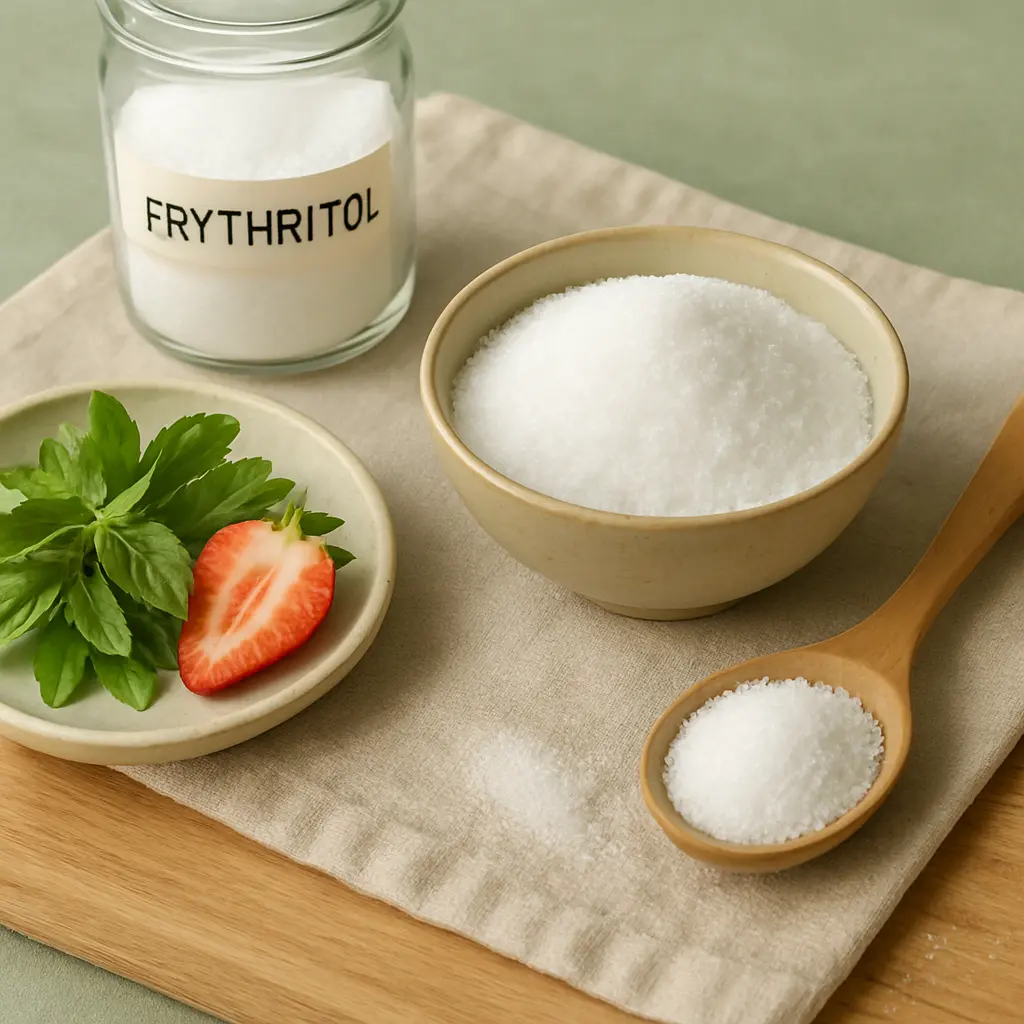
Erythritol: The Sweetener Revolutionizing Sugar Alternatives
In this page
Erythritol has emerged as a popular sugar substitute, offering a sweet taste with minimal caloric impact. Often found in various natural foods, this sweetener is becoming a staple in the diets of those seeking to reduce their sugar intake. Erythritol’s unique properties, applications, and potential benefits make it an intriguing option for health-conscious individuals and those managing specific dietary conditions.

Scientific Background and General Context
Erythritol belongs to a class of compounds known as sugar alcohols, or polyols. These compounds are found naturally in some fruits and fermented foods. What sets erythritol apart from other sweeteners is its chemical structure, which allows it to mimic the sweetness of sugar without the same caloric content. It was first isolated in 1852, but only in the 1990s was it recognized as a safe sweetening agent for human consumption.Unlike other carbohydrates, erythritol is not metabolized by the human body. After ingestion, it is quickly absorbed into the bloodstream and excreted unchanged in urine. This unique metabolic pathway means that erythritol does not significantly affect blood glucose or insulin levels, making it a preferred choice for those with diabetes or insulin resistance.

Properties and Advantages of Erythritol
Erythritol provides approximately 60-70% of the sweetness of table sugar, yet it is virtually calorie-free. This makes it an attractive option for those looking to reduce their calorie intake without sacrificing taste. Additionally, erythritol does not contribute to tooth decay, as it is not fermentable by oral bacteria, which reduces the risk of cavity formation.Another notable property of erythritol is its high digestive tolerance compared to other sugar alcohols like xylitol or sorbitol. Most sugar alcohols can cause gastrointestinal discomfort if consumed in large quantities, but erythritol is generally well-tolerated even in larger amounts because it is mostly absorbed before reaching the colon.Moreover, erythritol has antioxidant properties. Studies suggest it can help neutralize free radicals, potentially offering some protective benefits against oxidative stress-related conditions.
Daily Use and Lifestyle Applications
Erythritol’s versatility extends to its use in home cooking and commercial food production. It is highly soluble in water, making it easy to incorporate into beverages such as coffee and tea. Its stability under heat also allows it to be used in baking, where it helps maintain moisture in baked goods.In the food industry, erythritol is a common ingredient in sugar-free gums, candies, chocolates, and desserts. Its microbial stability means it can be stored for extended periods without spoilage, an advantage for both manufacturers and consumers seeking long-lasting products.For individuals managing their caloric intake, erythritol can be a valuable addition to a balanced diet. It allows for the enjoyment of sweet flavors without the associated energy intake, which can be beneficial for weight management.
Balanced Perspective and Safety
While erythritol offers numerous benefits, it is important to consider its use within a balanced diet. Moderation is key, as excessive use of any sugar substitute may lead to undesirable effects. Though erythritol is well-tolerated, some individuals may experience mild digestive disturbances if consumed in very high amounts.The U.S. Food and Drug Administration (FDA) and other global health authorities classify erythritol as generally recognized as safe (GRAS). However, as with any dietary change, individuals with specific health conditions should consult healthcare professionals before significantly altering their sugar consumption habits.
Potential Benefits for Specific Populations
Erythritol may be particularly beneficial for certain groups. Individuals with obesity or metabolic syndrome can incorporate erythritol into their diets as part of a comprehensive strategy to control calorie intake and manage blood sugar levels. For those with diabetes, erythritol provides a sweet option that does not spike blood sugar or insulin levels.Furthermore, people with dental health concerns may find erythritol to be a better alternative to sugar, helping reduce the risk of cavities and promoting oral health.In conclusion, erythritol presents itself as an appealing sugar alternative for many, offering a sweet taste without the usual drawbacks of sugar. Its unique properties and health benefits make it an attractive option for a diverse range of dietary needs, underscoring its growing popularity in health-conscious circles. As always, incorporating erythritol into a balanced diet should be approached with mindfulness and, when necessary, with professional guidance.


