
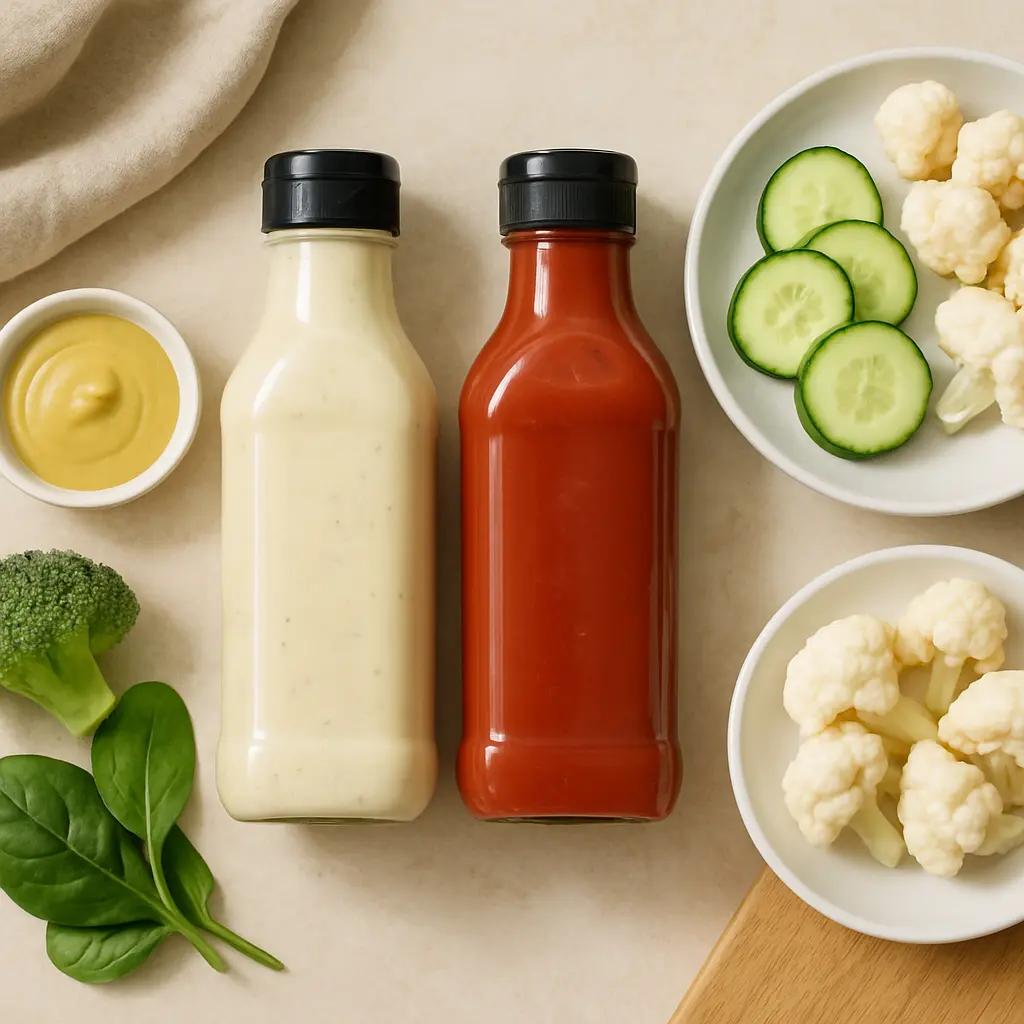
The Role of Zero and Low-Calorie Sauces in a Healthy Diet
In this page
Exploring the world of zero and low-calorie sauces presents a delicious opportunity for those looking to enhance their meals without piling on the calories. These innovative sauces allow you to enjoy your favorite dishes while maintaining a healthy lifestyle. This article examines what zero and low-calorie sauces are, the benefits they offer, and how you can incorporate them into your daily diet.

Scientific Background and General Context
The concept of zero and low-calorie sauces has gained momentum as more people seek to maintain a healthy weight without sacrificing taste. Traditionally, sauces are known for their rich flavors but also for their high calorie and sugar content, which can be detrimental to those aiming for a balanced diet. Zero and low-calorie alternatives are crafted using modern food technology and innovative ingredients that preserve flavor while drastically cutting calories.The key to these sauces lies in their formulation. They often utilize natural sweeteners like stevia or erythritol, which are alternatives to sugar, providing sweetness without the caloric load. Additionally, thickening agents such as xanthan gum or guar gum may be used to mimic the texture of traditional sauces without the use of fats. By integrating these ingredients, manufacturers can offer products that taste similar to their higher-calorie counterparts but cater to the needs of health-conscious consumers.
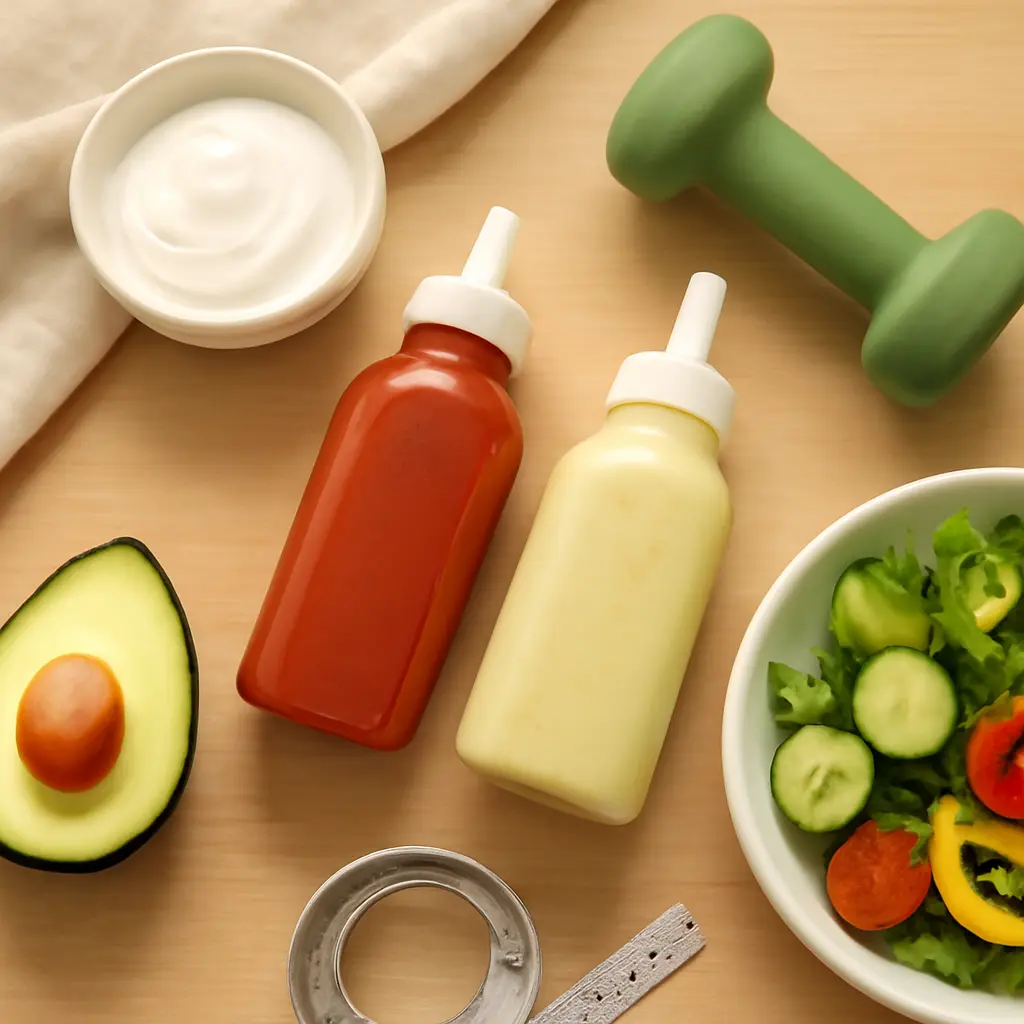
Why Choose Zero and Low-Calorie Sauces?
Flavor Without Guilt
One of the primary attractions of zero and low-calorie sauces is the ability to enjoy tasty meals without the accompanying guilt. Whether it’s a creamy salad dressing or a tangy barbecue sauce, these alternatives allow you to indulge in flavorsome dishes while sticking to dietary goals. For many, this means not having to sacrifice enjoyment for health, creating a sustainable path to long-term dietary adherence.
Ideal for Weight Management
Incorporating zero and low-calorie sauces can be particularly beneficial for those on calorie-restricted diets. By adding flavor without additional calories, these sauces aid in maintaining a caloric deficit, which is crucial for weight loss. They enable you to enjoy a varied and satisfying diet without compromising your hard-earned progress.
Diverse Flavor Options
Diversity in flavor is another significant advantage of these sauces. Available in a wide array of options—from classic ketchup to exotic curry flavors—they cater to various taste preferences. This variety ensures that meals remain exciting and delicious, even as you seek healthier alternatives.
Natural Ingredients
Many zero and low-calorie sauces are formulated using natural ingredients, which appeals to health-conscious consumers. Ingredients like stevia and erythritol not only reduce calorie content but also provide safer, more wholesome alternatives to processed sugars. This focus on natural composition means these sauces can be part of a diet that prioritizes overall wellness.
Support in Reducing Sugar Intake
For individuals managing conditions like diabetes or insulin resistance, or those simply looking to cut sugar intake, zero-calorie sauces are an excellent option. They provide the flavorful experience of traditional sauces without sugar, aiding in blood sugar management and reducing the risk of related health issues.
Daily Use and Lifestyle Applications
The versatility of zero and low-calorie sauces makes them a practical addition to everyday meals. They can transform simple dishes into gourmet experiences without the calorie burden. Here are some ways to incorporate them into your diet:
- Salad Dressings: Elevate salads with zero-calorie vinaigrettes or creamy dressings, adding zest and richness without extra calories.
- Sandwich Enhancements: Spread low-calorie mayonnaise or mustard to add moisture and flavor to sandwiches and wraps.
- Meat Marinades: Use these sauces as marinades or glazes for meats, enhancing taste while keeping meals lean.
- Dips for Snacks: Pair zero-calorie dips with vegetables or baked chips for a guilt-free snacking experience.
- Cooking Sauces: Incorporate them into pasta dishes or stir-fries for added depth without calorie overload.
These applications not only improve the taste of your meals but also make sticking to a healthy diet more enjoyable and less restrictive.
Balanced Perspective and Safety
While zero and low-calorie sauces offer numerous benefits, it is important to consume them as part of a balanced diet. Some individuals may experience digestive discomfort with artificial sweeteners or thickening agents, so it’s crucial to pay attention to your body’s response to these ingredients. Additionally, not all zero-calorie products are created equal, and it’s advisable to read labels to ensure they meet your dietary preferences and needs.It is also important to note that while these sauces reduce calorie intake, they should complement a diet rich in whole foods such as vegetables, lean proteins, and whole grains. Sustainability in dietary habits is best achieved through a combination of mindful eating and healthy lifestyle choices.
Conclusion
Zero and low-calorie sauces offer a promising solution for maintaining flavor and enjoyment in meals while adhering to health goals. By integrating these innovative products, individuals can enjoy the best of both worlds: delicious meals and a healthier lifestyle. As with any dietary change, it’s essential to consider your personal health needs and preferences, ensuring that these choices support your overall wellness journey.


