
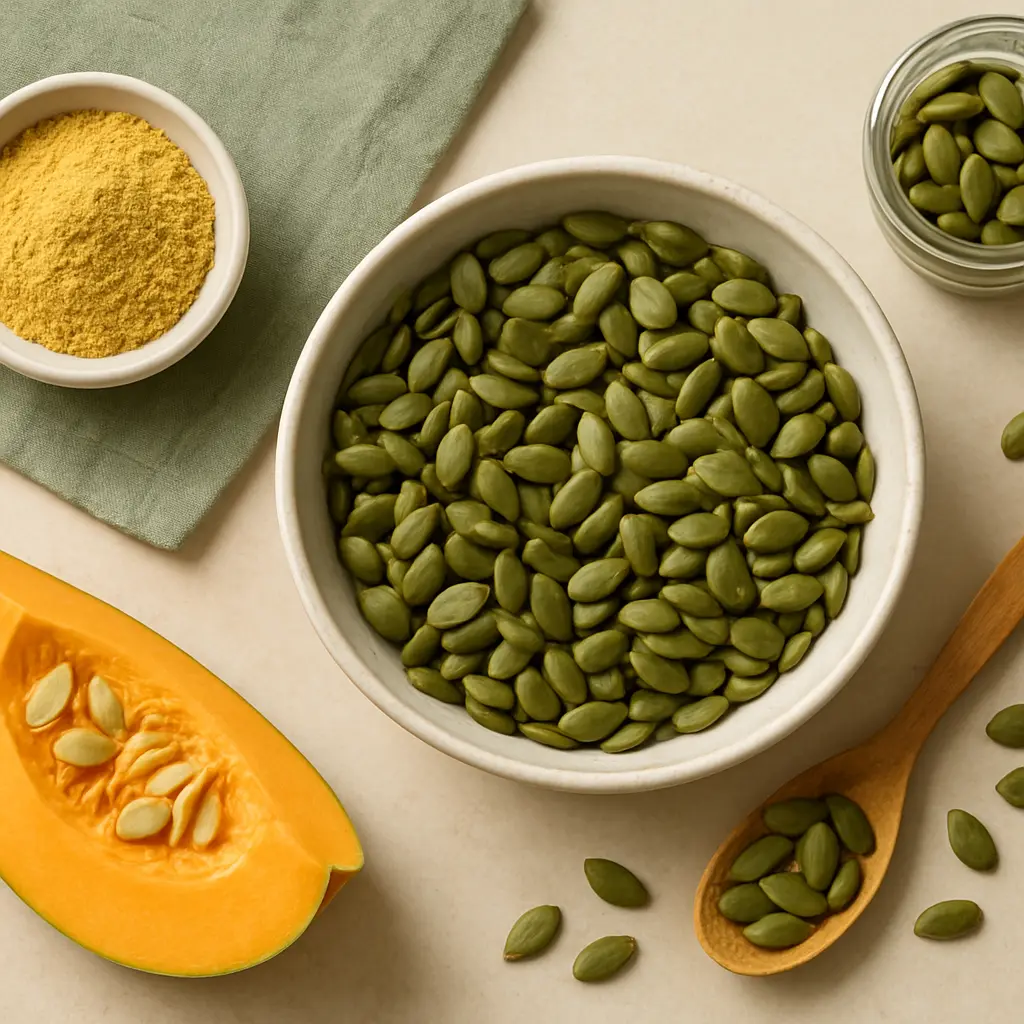
The Nutritional Power of Pumpkin Seeds: A Comprehensive Guide
In this page
Pumpkin seeds, often referred to as pepitas, are a highly versatile culinary ingredient renowned for their crunchy texture and nutty flavor. Beyond their culinary uses, they are packed with essential nutrients, making them a beneficial addition to a balanced diet. In this article, we explore the nutritional value of pumpkin seeds, delve into the properties of pumpkin seed extract, and provide guidance on incorporating them into your daily diet while maintaining a balanced perspective on their consumption.

Scientific Background and General Context
Pumpkin seeds have been consumed for centuries, valued not only for their taste but also for their health benefits. They are derived from the common pumpkin, a member of the Cucurbitaceae family, which is native to North America. Historically, pumpkin seeds have been used in traditional medicine to treat a variety of ailments, reflecting their esteemed position in numerous cultures. Today, modern science recognizes the seeds’ nutritional potential, attributing their benefits to a rich composition of proteins, fats, vitamins, and minerals.
Nutritional Value of Pumpkin Seeds
Pumpkin seeds flourish as a nutrient-dense food, providing a generous array of essential components that contribute to their health benefits. Here is a detailed examination of their nutritional profile:
High-Quality Protein
Pumpkin seeds are an excellent source of protein, constituting approximately 28% of their weight. They contain all nine essential amino acids, making them a complete protein source—particularly beneficial for vegetarians and vegans. Tryptophan, one of these amino acids, is a precursor to serotonin, a neurotransmitter known for its role in mood regulation. This attribute underscores the seeds’ potential contribution to mental well-being.
Healthful Fats
About 40% of a pumpkin seed’s weight is fat, predominantly unsaturated fatty acids. This includes omega-3 and omega-6 fatty acids, which are vital for maintaining heart health. These fats help reduce inflammation and play a role in lowering the risk of cardiovascular diseases by improving cholesterol levels and supporting overall heart function.
Fiber and Carbohydrates
The carbohydrate content of pumpkin seeds is primarily composed of dietary fiber. With around 18% of their weight consisting of fiber, they aid digestion, promote gut health, and help maintain stable blood sugar levels. Fiber also contributes to a feeling of fullness, which can be beneficial for weight management.
Vitamins and Minerals
Pumpkin seeds are a rich source of several key vitamins and minerals. They are particularly high in magnesium, an essential mineral involved in over 300 enzymatic reactions in the body, including those regulating blood pressure and bone health. The seeds also offer zinc, crucial for immune function and skin health, and contain vitamin E, known for its antioxidant properties that protect cells from oxidative stress. Additionally, they provide a variety of B vitamins, such as niacin (B3), riboflavin (B2), and folate (B9), which support energy metabolism and cognitive function.
| Component | Average Content per 3.5 oz (100 g) |
|---|---|
| Protein | ~ 28 g |
| Fiber | ~ 18 g |
| Linoleic Acid | ~ 23 g |
| Magnesium | ~ 590 mg |
| Zinc | ~ 7 mg |
| Vitamin E | ~ 2 mg |
| Vitamin B3 (Niacin) | ~ 5 mg |
Properties of Pumpkin Seed Extract
Pumpkin seed extract is derived through solvent extraction processes, concentrating the active compounds found in the seeds. This extract is particularly noted for its high content of unique bioactive substances like cucurbitin and cucurbitacins.
Unique Compounds
Cucurbitin and cucurbitacins are among the primary active ingredients in pumpkin seed extract. Cucurbitin, an amino acid derivative, and cucurbitacins, belonging to a class of terpenoids, are recognized for their anti-inflammatory and antioxidant properties. Early experimental studies suggest that these compounds might offer protective effects against inflammation, with some research focusing on their potential anti-cancer properties. Additionally, they have been explored in the context of prostate health, making the extract a popular choice in male health supplements.
Daily Use and Lifestyle Applications
Incorporating pumpkin seeds into your diet is both simple and rewarding. They can be eaten raw, roasted, or added to various dishes to enhance flavor and nutritional content. Here are some practical ways to include them in your daily nutrition:- **Salads and Soups**: Sprinkle pumpkin seeds on top of salads or soups to add a crunchy texture and nutty flavor.- **Breakfast Dishes**: Add them to cereals, granola, or yogurt for a nutritious start to your day.- **Baked Goods**: Use pumpkin seeds in bread, muffins, or snack bars for added nutrients and flavor.- **Smoothies**: Blend them into smoothies for a protein and fiber boost.
Balanced Perspective and Safety
While pumpkin seeds are undoubtedly nutritious, it’s crucial to consume them in moderation as part of a balanced diet. Excessive intake may lead to unwanted calorie consumption and potential digestive issues due to their high fiber content. When considering pumpkin seed extract supplements, it is important to follow dosing recommendations and consult a healthcare provider, especially if you have pre-existing health conditions or are taking medications.In conclusion, pumpkin seeds and their extracts offer a plethora of health benefits supported by their rich nutritional profile. From enhancing your mood to supporting heart health and beyond, they represent a flavorful and versatile addition to a healthy lifestyle. As always, balance and variety in dietary choices are key to maximizing health benefits.


