
Pistachios: A Nutrient-Packed Delight for Health and Wellness
In this page
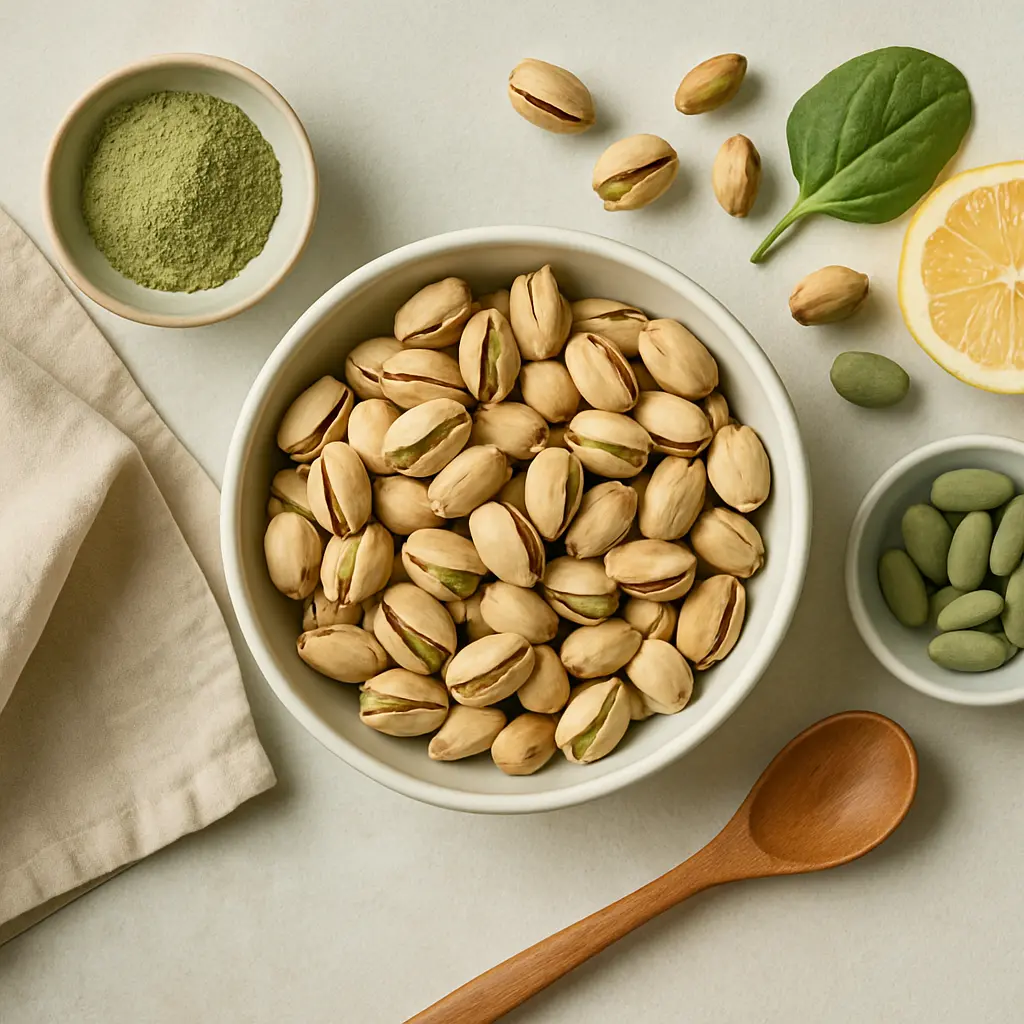
Pistachios, often recognized for their distinctive green and purple hues, are an ancient nut indigenous to Central Asia and the Middle East. Revered not only for their flavor but also for their nutritional benefits, pistachios are an integral part of many culinary traditions. This article delves into the fascinating world of pistachios, exploring their origins, nutritional profile, health benefits, and how they can be incorporated into a balanced diet.

Scientific Background and General Context
Pistachios come from the pistachio tree (Pistacia vera), which thrives in hot, arid climates. Native to regions such as Iran, Afghanistan, and parts of Turkey and Syria, the cultivation of pistachios is a deeply-rooted tradition. The trees require long, warm summers and mild winters to produce a consistent and healthy crop. The time-intensive process of growing pistachios begins with planting, followed by several years of maturation before the trees yield their first harvest. Full production maturity is typically reached after 15 to 20 years, making pistachio farming a long-term investment.In culinary practices around the world, pistachios are celebrated not only for their taste but also for their aesthetic appeal. Their vibrant color and unique flavor make them a popular choice in both sweet and savory dishes.
Uses and Applications in Cuisine
Pistachios are versatile ingredients that play a key role in various culinary traditions.
Sweet Applications
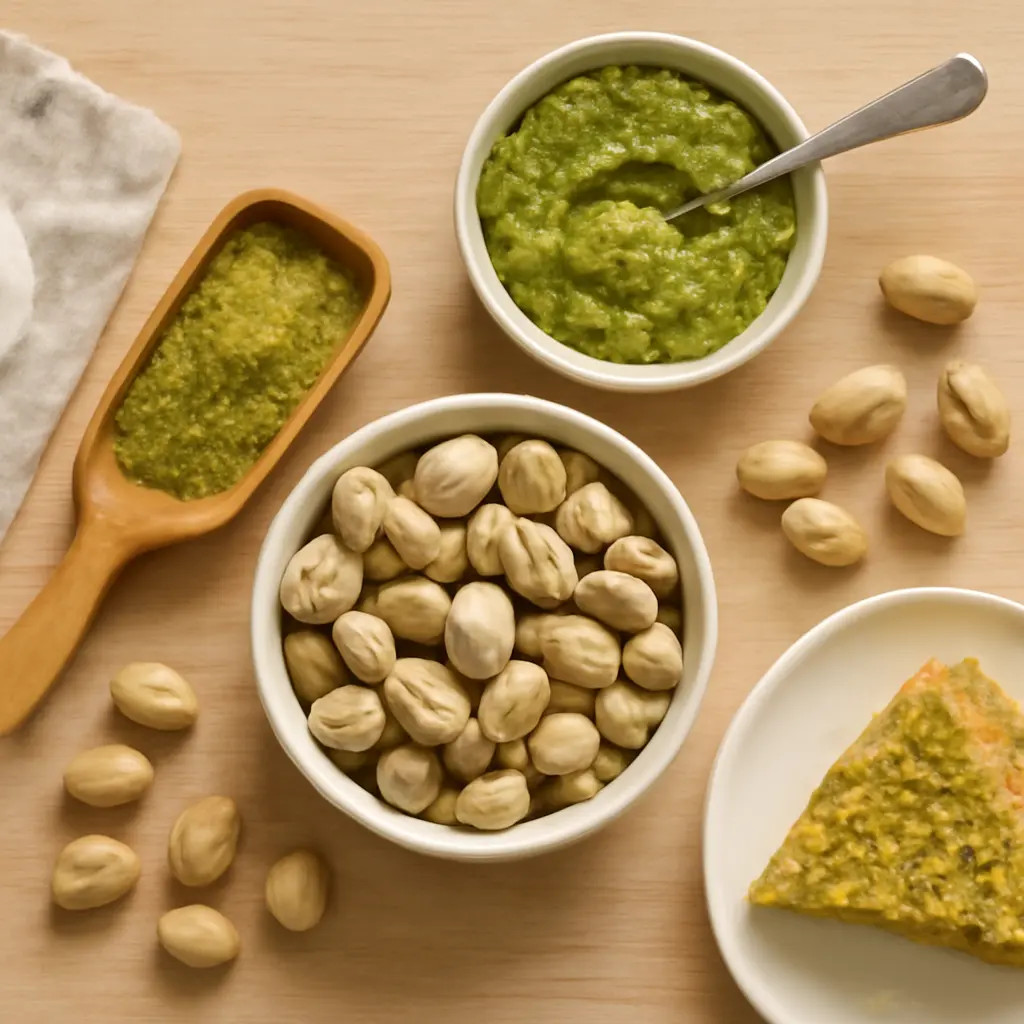
In Middle Eastern and Mediterranean countries, pistachios are a staple in desserts. For instance, in Turkey, they are an essential ingredient in baklava, a rich pastry made from layers of filo dough, honey, and nuts. In other regional desserts like halva and Turkish Delight, pistachios add a distinctive nutty flavor and texture.
Savory Applications
Beyond sweets, pistachios are gaining popularity in Western cuisines as well. They are often used in salads, pasta dishes, and sauces to add a crunchy texture and a pop of color. In Italy and France, pistachio “butter” is a gourmet spread used in both sweet and savory recipes. Pistachios also serve as an excellent standalone snack, available roasted, salted, or raw.
Nutritional Profile of Pistachios
Pistachios pack a substantial nutritional punch, offering a range of macro and micronutrients vital for health.
Macronutrients
Per 100 grams, pistachios provide approximately:
- 560 kcal of energy
- 45 grams of fat, predominantly monounsaturated and polyunsaturated fats
- 28 grams of carbohydrates
- 10 grams of dietary fiber, aiding in digestion and satiety
- 20 grams of protein, making them an excellent plant-based protein source
Micronutrients and Bioactive Compounds
Pistachios are a rich source of vitamins and minerals. They are particularly high in Vitamin B6 (about 1.7 mg per 100 grams), which is essential for brain health and the production of neurotransmitters. They also contain significant amounts of potassium (approximately 1020 mg per 100 grams), which is crucial for maintaining heart health and muscle function.The nut is replete with antioxidants such as Vitamin E, phenolic compounds, and carotenoids like lutein and zeaxanthin. These compounds help combat oxidative stress and may reduce the risk of chronic diseases.
Health Benefits of Pistachios
Pistachios offer several health benefits, especially concerning heart health and metabolism.
Supporting Heart Health
Research suggests that regular pistachio consumption can improve lipid profiles and reduce cardiovascular disease risk. The nuts contribute to heart health by improving endothelial function, which is important for controlling blood pressure. The monounsaturated and polyunsaturated fats in pistachios are known to lower bad cholesterol levels, further enhancing their heart-protective effects.
Metabolic Benefits
Pistachios may also support metabolic health by aiding in glucose metabolism and promoting weight management. Their high protein and fiber content helps enhance satiety, potentially reducing overall calorie intake.
Pistachios for Gut Health and Chronic Disease Prevention
Emerging research highlights the potential role of pistachios in promoting gut health. They may positively influence gut microbiota, which plays a critical role in digestion, immune function, and overall health. The anti-inflammatory and antioxidant properties of pistachios can help protect against cellular damage caused by free radicals, a key factor in the development of chronic diseases like obesity, type 2 diabetes, and certain cancers.
Daily Use and Lifestyle Applications
Incorporating pistachios into your daily diet can be both simple and beneficial. They can be added to breakfast cereals, yogurt, or oatmeal for an extra nutrient boost. In salads and stir-fries, they provide a satisfying crunch. For those with a sweet tooth, pistachios can enhance the flavor and texture of baked goods like muffins, cookies, and cakes.As a snack, a handful of pistachios can be both filling and nutritious, offering a healthy alternative to chips or candy. Their convenient packaging, often in-shell, even encourages mindful eating by slowing down consumption.
Balanced Perspective and Safety
While pistachios are nutritious, they should be consumed in moderation due to their high-calorie content. For those with nut allergies, pistachios may trigger allergic reactions, necessitating vigilance in their consumption.In summary, pistachios are a powerhouse of nutrition with numerous health benefits. Whether you’re looking to boost your protein intake, improve heart health, or enjoy a tasty snack, pistachios are a versatile and valuable addition to a balanced diet.


