Let's Shape The Future Of Your Investments!
Natoque iaculis cursus augue urna commodo aptent morbi tortor porttitor quis ornare.

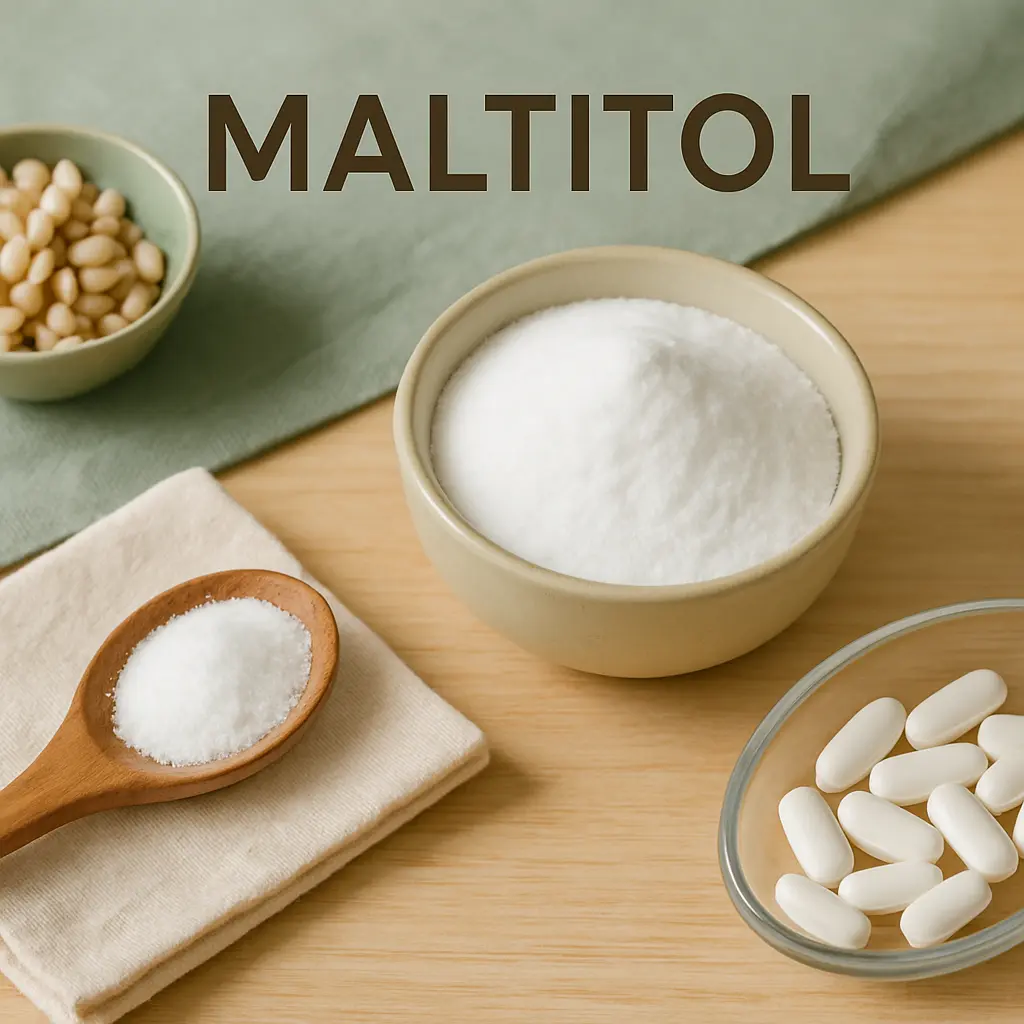
Maltitol is a sugar alcohol that has gained significant traction in the food industry for its ability to provide sweetness without the added calories and glycemic impact associated with regular sugar. As an ingredient, it finds applications in a variety of reduced-calorie and sugar-free products, making it a popular choice for individuals managing their sugar intake or living with conditions like diabetes. This article delves into the properties of maltitol, its benefits, and considerations for its use in daily life.

Sugar alcohols, or polyols, are a category of carbohydrate-based sweeteners that occur naturally in some fruits and vegetables. Despite their name, sugar alcohols do not contain ethanol, the compound that characterizes alcoholic beverages. They are, instead, derived from the hydrogenation of sugars and are commonly used in low-calorie and sugar-free food formulations. Maltitol, in particular, is manufactured from maltose, a sugar derived from the hydrolysis of starches such as corn or potatoes.The development of maltitol as a sugar substitute began in earnest in the 1960s, driven by the need for alternatives to traditional sucrose that would not contribute to tooth decay and could be included in diabetic-friendly foods. Unlike sucrose, maltitol does not undergo fermentation by oral bacteria, thereby reducing the risk of cavities. Its lower caloric content and glycemic index make it an attractive option for health-minded consumers.
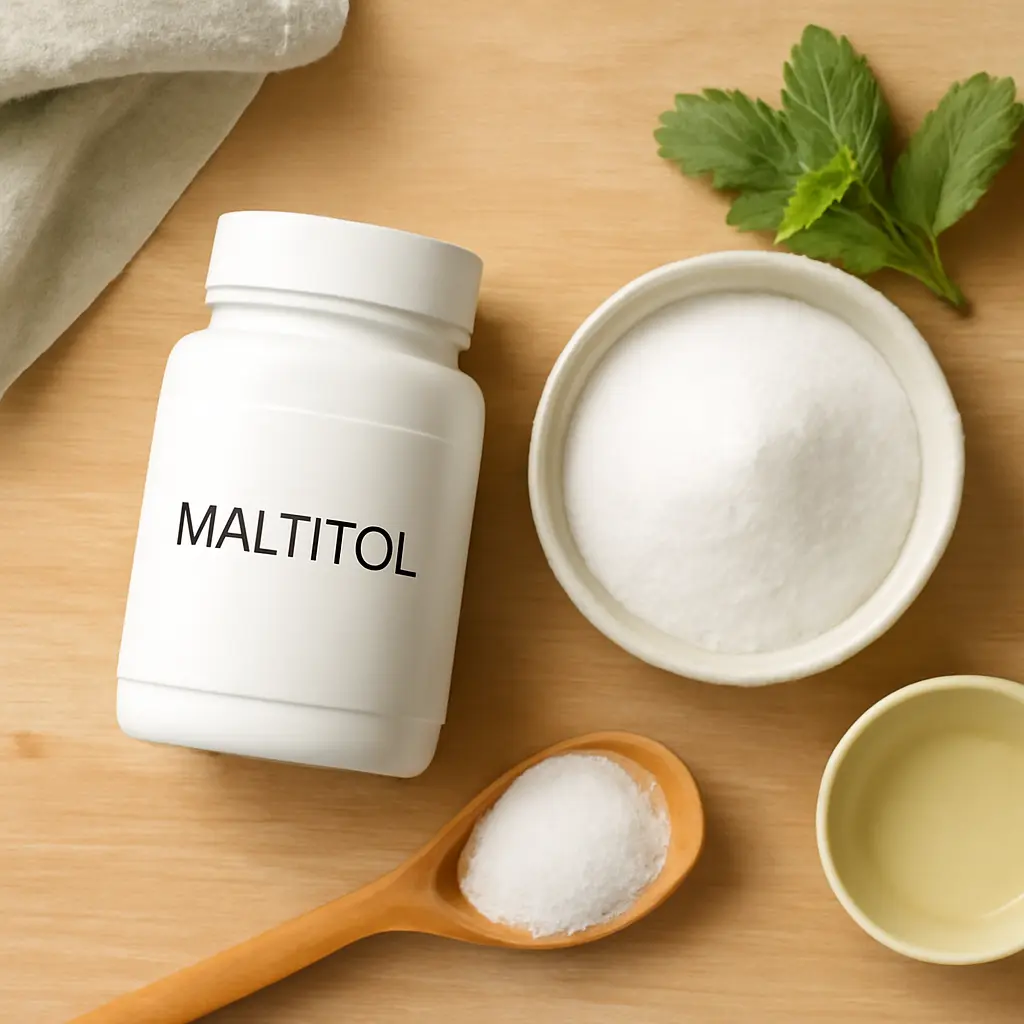
Maltitol stands out among sugar alcohols for its unique physico-chemical properties. It possesses about 75-90% of the sweetness of sucrose, which allows it to be used as a near equivalent substitute in recipes and commercial food products. Its appearance and texture closely mimic that of regular sugar, offering the advantage of maintaining the sensory qualities of the final product. One of the appealing aspects of maltitol is its thermal stability, making it suitable for use in baked goods, chocolates, and other confections that require heat. It is also moisture-resistant, which helps extend the shelf life of products without affecting their consistency or flavor.
One of the primary advantages of maltitol is its reduced caloric value. Maltitol provides approximately 2.1 calories per gram compared to sugar’s 4 calories per gram, making it a valuable tool in weight management. By replacing sugar with maltitol, food manufacturers can create products that support dietary goals without compromising taste.
The glycemic index (GI) of a food indicates how quickly it raises blood glucose levels. Maltitol has a GI of about 35, which is significantly lower than that of sucrose, which has a GI of 65. This characteristic is particularly beneficial for individuals with insulin resistance or type 2 diabetes, as it results in a slower and more controlled rise in blood sugar levels after consumption. Consequently, products containing maltitol can help prevent the energy crashes often associated with high sugar intake.
Maltitol’s chemical structure is not fermentable by common oral bacteria such as Streptococcus mutans, responsible for the conversion of sugars into acids that erode tooth enamel. This property helps reduce the risk of dental caries, making maltitol-containing products a safer choice for oral health compared to those high in sucrose.
While simple sugars like fructose and glucose can negatively affect gut health by promoting harmful bacterial growth, maltitol’s impact is more complex. It is partially absorbed in the small intestine, with the remainder being fermented by bacteria in the colon. This fermentation process can mimic prebiotic effects, fostering a healthier gut microbiome. However, excessive consumption of maltitol may lead to digestive discomfort, such as gas and bloating, especially in individuals unaccustomed to sugar alcohols.
Maltitol’s versatility in the kitchen and food industry is evident in its wide-ranging applications. From chocolates and baked goods to ice creams and chewing gums, maltitol helps create sugar-reduced options that cater to those watching their caloric intake. Its similar texture and taste to sugar make it an excellent choice for recipes that rely on the sensory attributes provided by sucrose.For example, in cookie formulations, maltitol can replace sugar on a nearly one-to-one basis. While the sweetness may be slightly reduced due to its lower relative sweetness, this can be mitigated by combining maltitol with other high-intensity sweeteners, which can help achieve the desired sweetness level without significantly increasing caloric content.
While maltitol offers several benefits, moderation is key to avoiding potential side effects. Large quantities of maltitol can cause laxative effects due to its partial absorption and fermentation in the gut. Therefore, individuals new to sugar alcohols should introduce them gradually into their diet to gauge their personal tolerance levels.Moreover, it is important for consumers to consider the overall composition of products containing maltitol. While these products may be lower in sugar and calories, they may still contain other ingredients that could impact health if consumed in large amounts.In conclusion, maltitol is a valuable sugar substitute that aligns well with modern dietary needs. It offers significant advantages in terms of caloric reduction, glycemic control, and dental health, making it a beneficial alternative to traditional sugar in many food products. However, as with any dietary component, understanding its effects and consuming it as part of a balanced diet is essential for maximizing its health benefits.


