
Exploring Blue Corn: Nutritional Benefits and Culinary Uses
In this page
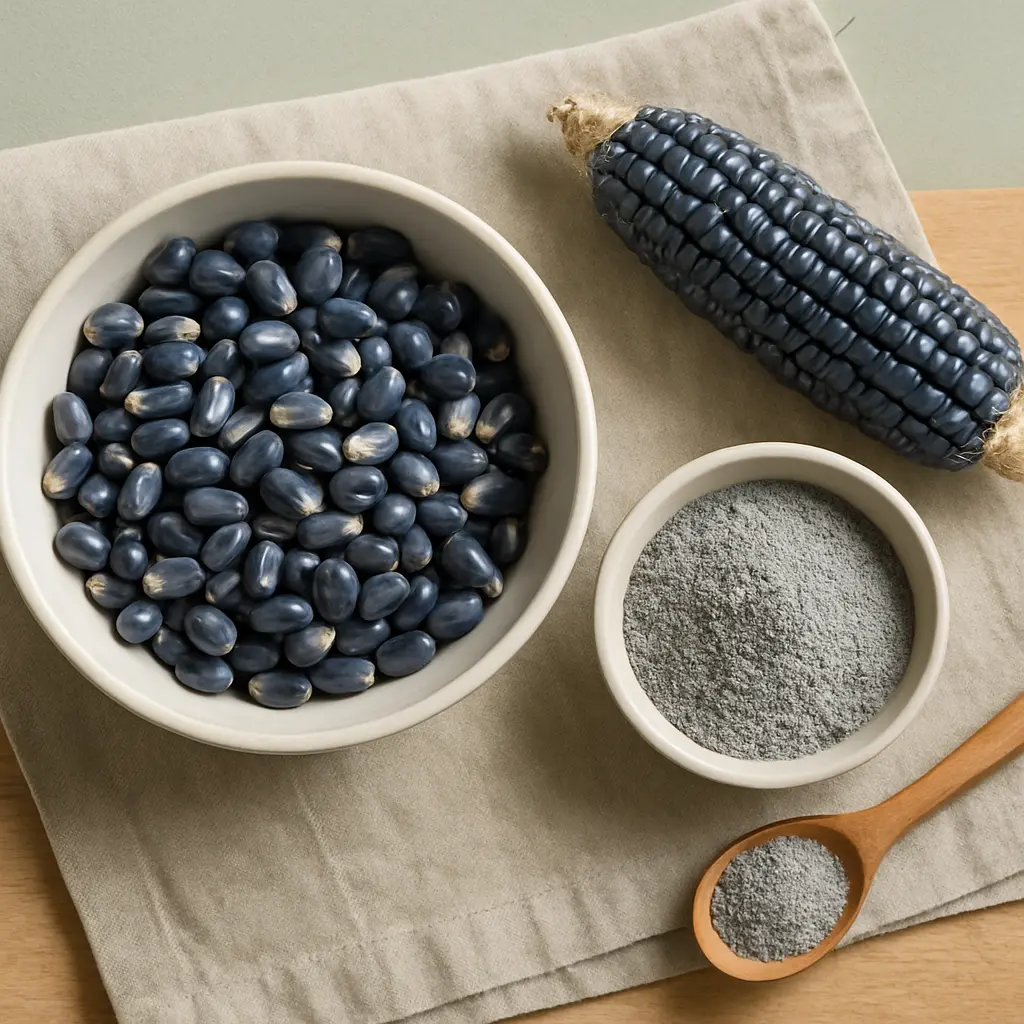
Blue corn, a variety distinguished by its vibrant blue or purple kernels, has been cultivated for centuries by indigenous peoples, particularly in regions like Mexico and the southwestern United States. Praised for its unique taste and rich nutritional profile, blue corn contains bioactive compounds that impart significant health benefits. As awareness grows, it is becoming a popular alternative to traditional yellow corn. This article delves into the scientific background, nutritional composition, and diverse applications of blue corn, providing a comprehensive overview of this remarkable crop.

Scientific Background and General Context
Blue corn is an ancient grain with origins tied to indigenous agricultural practices in the Americas. Due to its strong cultural and nutritional heritage, blue corn has been integral to the diets and traditions of various tribal communities. Historically, it has played a crucial role in traditional ceremonies and as a staple food source.The distinctive blue hue of this corn variety is attributed to high concentrations of anthocyanins, a type of flavonoid pigment with potent antioxidant properties. These pigments not only provide color but also protect the plant against UV radiation and pathogens. The presence of anthocyanins is a key differentiator between blue corn and its yellow counterpart, contributing to its emerging reputation as a health-promoting food.The cultivation of blue corn thrives in warm, moderately humid climates, typically found in areas like Mexico, Peru, and parts of the United States. Advances in agricultural techniques have allowed for the adaptation of blue corn to more varied environments, thus increasing its accessibility and presence in international markets.
Nutritional Composition and Health Benefits
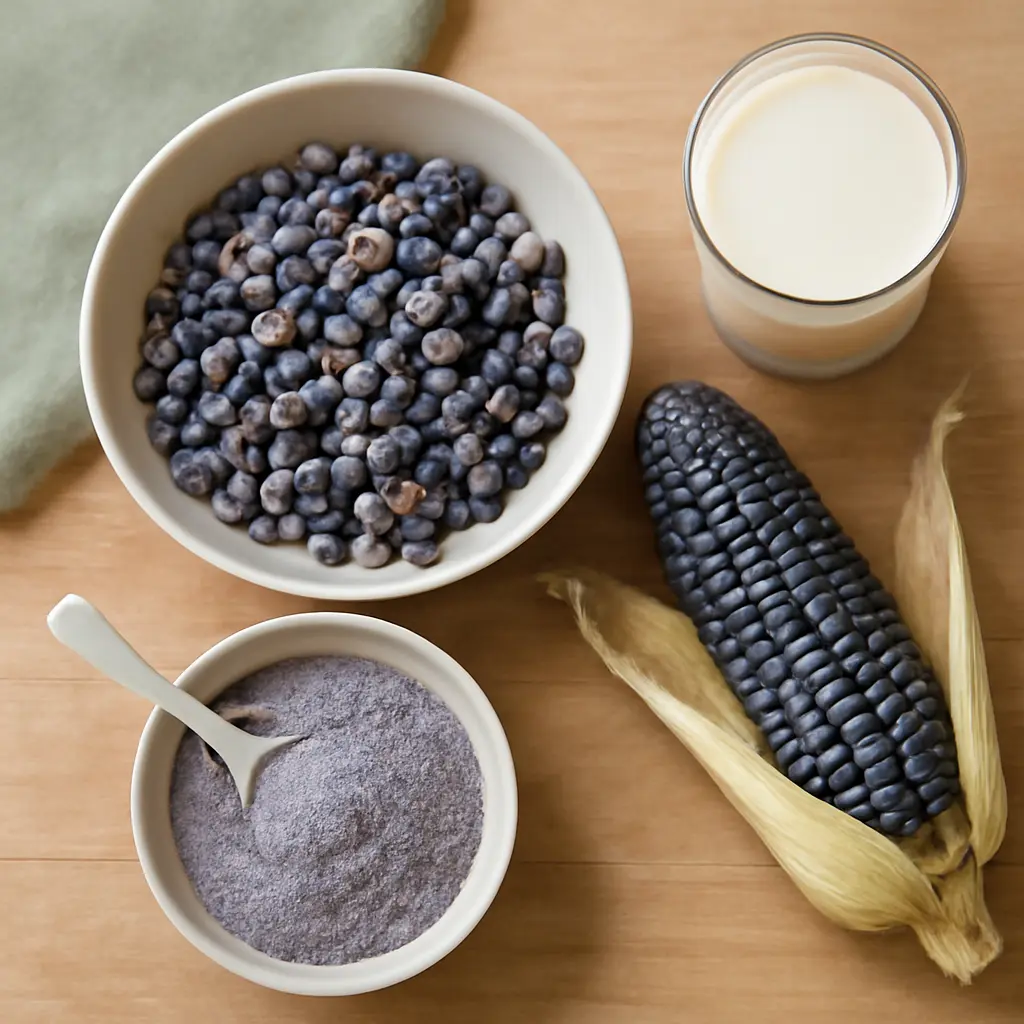
Blue corn’s nutritional profile is similar to that of traditional corn, yet it offers additional health benefits due to its bioactive compounds.
Anthocyanins and Heart Health
Anthocyanins in blue corn are primarily responsible for its health-promoting properties. Studies have shown that these compounds can support cardiovascular health by enhancing blood vessel flexibility and reducing oxidative stress. Their antioxidant activity helps protect cells from damage, potentially lowering the risk of chronic diseases like cancer and heart disease.
Dietary Fiber and Gut Health
Blue corn is also an excellent source of dietary fiber, which plays a crucial role in maintaining digestive health. Fiber acts as a prebiotic, fostering the growth of beneficial gut bacteria. This not only aids in digestion but also supports immune function and the production of neurotransmitters.While the overall carbohydrate and fiber content in blue corn is comparable to yellow corn, its unique compounds provide additional digestive benefits. Fiber intake is vital for regulating numerous bodily functions, including blood sugar levels and cholesterol.
Macronutrients and Micronutrients
A typical serving of blue corn contains moderate amounts of protein and minimal fat, with carbohydrates being the primary source of calories. Per 100-gram serving, blue corn provides approximately 350-360 calories, with 8-9 grams of protein, 72-73 grams of carbohydrates, 6-7 grams of fiber, and 4-5 grams of fat.Magnesium is another beneficial mineral found in blue corn, contributing to bone health and energy production. Although its level of magnesium is similar to that in yellow corn, it’s an essential nutrient that supports various physiological functions.
Daily Use and Lifestyle Applications
Blue corn’s versatility makes it a valuable addition to various culinary traditions. Its distinctive color and flavor enhance both traditional and contemporary dishes.
Culinary Applications
In many Latin American cultures, blue corn is a cornerstone of traditional cuisine. It is commonly used to make tortillas, tamales, and nachos, providing a visually appealing and nutritious alternative to their yellow counterparts. In addition, blue corn flour is a key ingredient in popular beverages like atole and chicha morada, enjoyed for their rich, earthy flavors.Blue corn’s natural pigments are utilized as food colorants, imparting blue-violet hues to culinary creations. This has led to its popularity in modern fusion cuisine, where chefs leverage its aesthetic and nutritional benefits to create visually stunning and health-conscious dishes.
Modern Gastronomy and Plant-Based Diets
In contemporary gastronomy, blue corn is celebrated for its unique visual and taste profile. It is increasingly found in plant-based recipes, where it serves as a foundational ingredient in vegan burgers, pancakes, and even desserts like puddings and ice creams.The growing interest in plant-based eating has boosted the demand for blue corn, as it aligns with health and sustainability values. Its rich nutrient content and appealing look make it a preferred choice for those seeking nutritious and ethical food options.
Balanced Perspective and Safety
While blue corn offers numerous health benefits, it is crucial to approach its consumption with a balanced perspective.
Dietary Considerations
As with any food, moderation is key when incorporating blue corn into your diet. Although it is a nutritious option, it is essential to consume it as part of a varied diet that includes a wide range of foods to ensure comprehensive nutrient intake.For individuals with corn-related allergies or sensitivities, caution should be exercised. Consulting with a healthcare provider can provide personalized guidance based on specific dietary needs and restrictions.
Environmental and Economic Impacts
The increasing popularity of blue corn has potential implications for farming practices and market dynamics. Sustainable cultivation methods are crucial to prevent environmental degradation and to ensure that the benefits of blue corn are accessible without compromising ecological health.Additionally, supporting local and indigenous farmers can promote economic resilience and preserve cultural heritage tied to traditional blue corn cultivation.
Conclusion
Blue corn represents a fascinating intersection of tradition, nutrition, and modern culinary innovation. With its rich history and diverse applications, it offers a compelling alternative to conventional corn varieties. By understanding its scientific and nutritional aspects, consumers can make informed choices that contribute to a healthier lifestyle while embracing the diverse flavors and colors that blue corn brings to the table.


