
The Multifaceted Benefits of Glucomannan: From Digestive Health to Weight Management
In this page
Glucomannan, a water-soluble fiber derived from the Amorphophallus konjac plant, has gained significant attention for its various health benefits. Known for its ability to absorb water and form a gel-like substance in the digestive tract, glucomannan offers potential advantages in weight management, blood sugar control, and digestive health. This article explores the characteristics, mechanisms, and applications of glucomannan, providing a comprehensive understanding of its role in promoting a healthy lifestyle.

Scientific Background and General Context
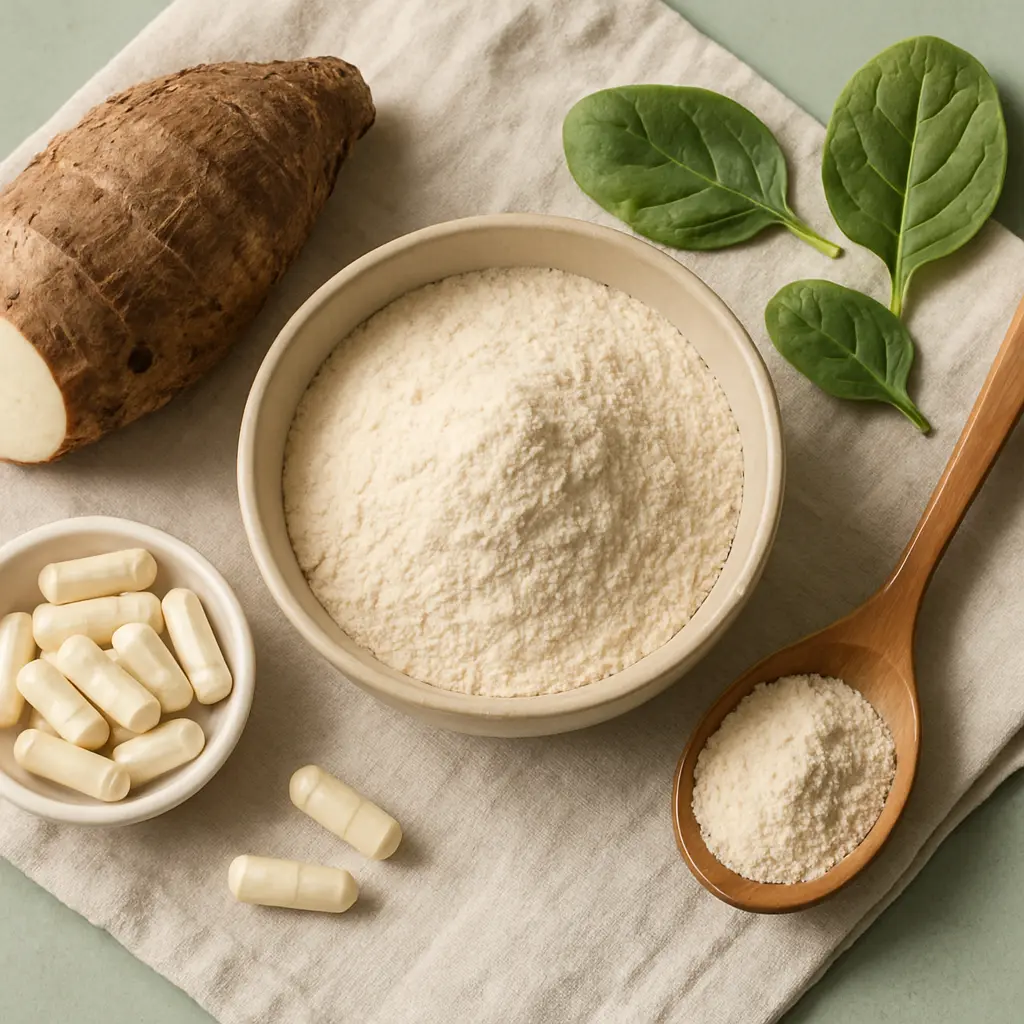
Glucomannan is a polysaccharide composed of mannose and glucose, linked by β-1,4-glycosidic bonds. The Amorphophallus konjac plant, native to East Asia, especially China, Japan, and Korea, produces the glucomannan-rich tubers traditionally utilized in various culinary dishes such as shirataki noodles and konjac jellies. Beyond culinary applications, glucomannan is extensively used in the food industry as a thickener, stabilizer, and water-binding agent, as well as in dietary supplements aimed at improving digestive health, blood sugar levels, and weight management.
The structural uniqueness of glucomannan lies in its high water solubility, allowing it to absorb up to 50 times its weight in water. This ability to form a viscous gel within the gastrointestinal tract plays a crucial role in its physiological effects. The typical mannose-to-glucose ratio in glucomannan is 1.6:1, distinguishing it from other plant-based gums and enhancing its water-binding capacity and gel stability.

Daily Use and Lifestyle Applications
One of the most notable applications of glucomannan is in promoting satiety and aiding in weight management. By forming a gel in the stomach, glucomannan not only slows gastric emptying but also prolongs the feeling of fullness, which can reduce overall caloric intake. Studies have indicated that glucomannan supplementation may result in modest weight loss, particularly when combined with lifestyle factors such as a balanced diet and regular physical activity. Although the weight reduction observed in studies is small, integrating glucomannan into a holistic approach to weight management could enhance outcomes.
In addition to weight management, glucomannan has demonstrated potential in managing blood sugar levels. By forming a viscous gel, glucomannan can slow the absorption of glucose into the bloodstream, thereby reducing the glycemic index of meals. This delayed glucose absorption can be beneficial for individuals with diabetes or those seeking to maintain stable blood sugar levels. Furthermore, glucomannan’s ability to bind fats and reduce their absorption may contribute to improved lipid profiles, as evidenced by some studies showing reductions in LDL cholesterol and total cholesterol levels.
The Digestive Health Connection
Glucomannan’s role as a prebiotic fiber is another area of interest due to its potential to enhance gut health. Once glucomannan reaches the large intestine, it is subjected to fermentation by beneficial gut bacteria, notably Bifidobacterium and Lactobacillus species. This fermentation process generates short-chain fatty acids (SCFAs) such as acetate, propionate, and butyrate, which help maintain a healthy intestinal environment. SCFAs serve as an energy source for colon cells, support mucosal integrity, and regulate immune function.
Moreover, the prebiotic effect of glucomannan can lead to improved nutrient absorption and offer protection against pathogenic bacteria. By fostering a balanced gut microbiota, glucomannan contributes to overall gastrointestinal health and may prevent certain digestive disorders.
Balanced Perspective and Safety
While glucomannan offers multiple health benefits, it is essential to consider its safety and potential side effects. As with any dietary supplement, individuals should adhere to recommended dosages to avoid adverse effects such as bloating, gas, or gastrointestinal discomfort. It is also important to consume glucomannan with sufficient water to prevent blockages in the throat or intestines, particularly when taken in capsule form.
For those on medication, especially for diabetes or cholesterol management, consulting with a healthcare professional before beginning glucomannan supplementation is advisable, as it could influence the absorption and efficacy of certain medications.
Synergistic Substances for Enhanced Efficacy
Combining glucomannan with other soluble fibers or compounds can potentially enhance its effects. For instance, beta-glucans found in oats and barley, as well as pectin from fruits such as apples and citrus, share similar water-absorbing and gel-forming properties. These fibers, alongside glucomannan, can further aid in glycemic control, lipid regulation, and prolonged satiety.
Additionally, natural substances such as cinnamon and berberine may work synergistically with glucomannan. Cinnamon is known for its effects on insulin sensitivity and blood sugar stabilization, which could complement glucomannan’s role in glucose management. Berberine, an alkaloid found in plants like barberry, influences metabolic pathways and enhances glucose utilization, potentially augmenting glucomannan’s impact on lipid and weight control.
Conclusion
Glucomannan presents a promising natural option for enhancing various aspects of health, particularly in the realms of weight management, blood sugar control, and digestive health. Its ability to form a gel-like substance in the digestive tract underpins many of its health benefits, making it a valuable addition to a balanced diet and active lifestyle. As research continues to uncover the full potential of glucomannan, its integration with other dietary fibers and compounds may offer even greater health benefits. However, as with any supplement, it is crucial to consider individual health conditions and consult healthcare providers to ensure safe and effective use.


