
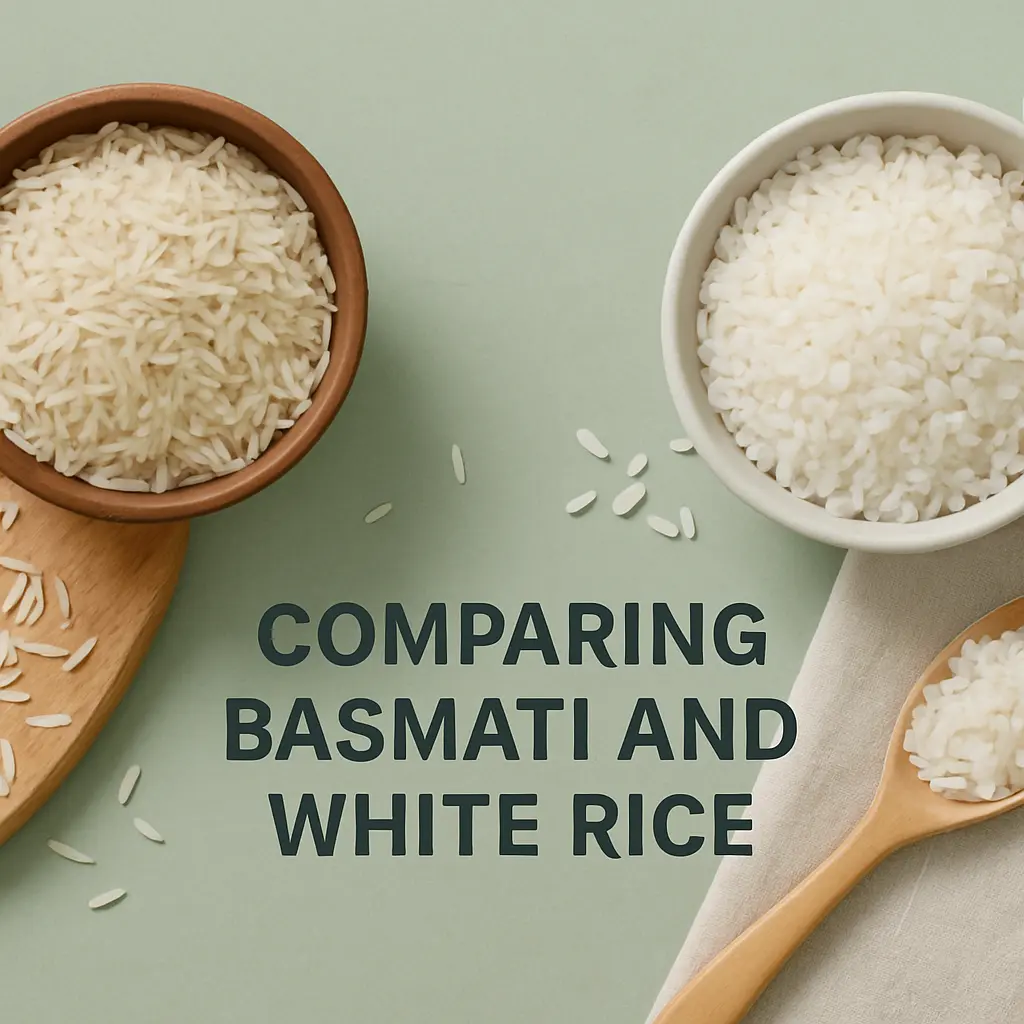
Comparing Basmati and White Rice: Types, Uses, and Nutritional Value
In this page
This article explores the differences between basmati and standard white rice, focusing on their physical characteristics, production methods, culinary applications, and nutritional profiles. Understanding these differences can help you make better-informed choices based on taste, texture, and nutritional needs. Whether you’re cooking for flavor or health considerations, knowing more about these popular rice varieties can enhance your culinary experience.

Scientific Background and General Context
Rice is a staple food for more than half of the world’s population, providing a significant portion of daily caloric intake across various cultures. Among the many types of rice, basmati and white rice are two of the most commonly consumed varieties. Both types belong to the species *Oryza sativa*, but they have distinct differences in appearance, processing, and culinary use.Basmati rice is predominantly grown in India and Pakistan and is known for its long, slender grains and aromatic properties. It is often aged to enhance its flavor and texture. In contrast, standard white rice, which includes varieties like long-grain, medium-grain, and short-grain, undergoes a milling process that removes the husk, bran, and germ, resulting in a more neutral flavor and a softer, stickier texture when cooked.
Production and Processing of Rice
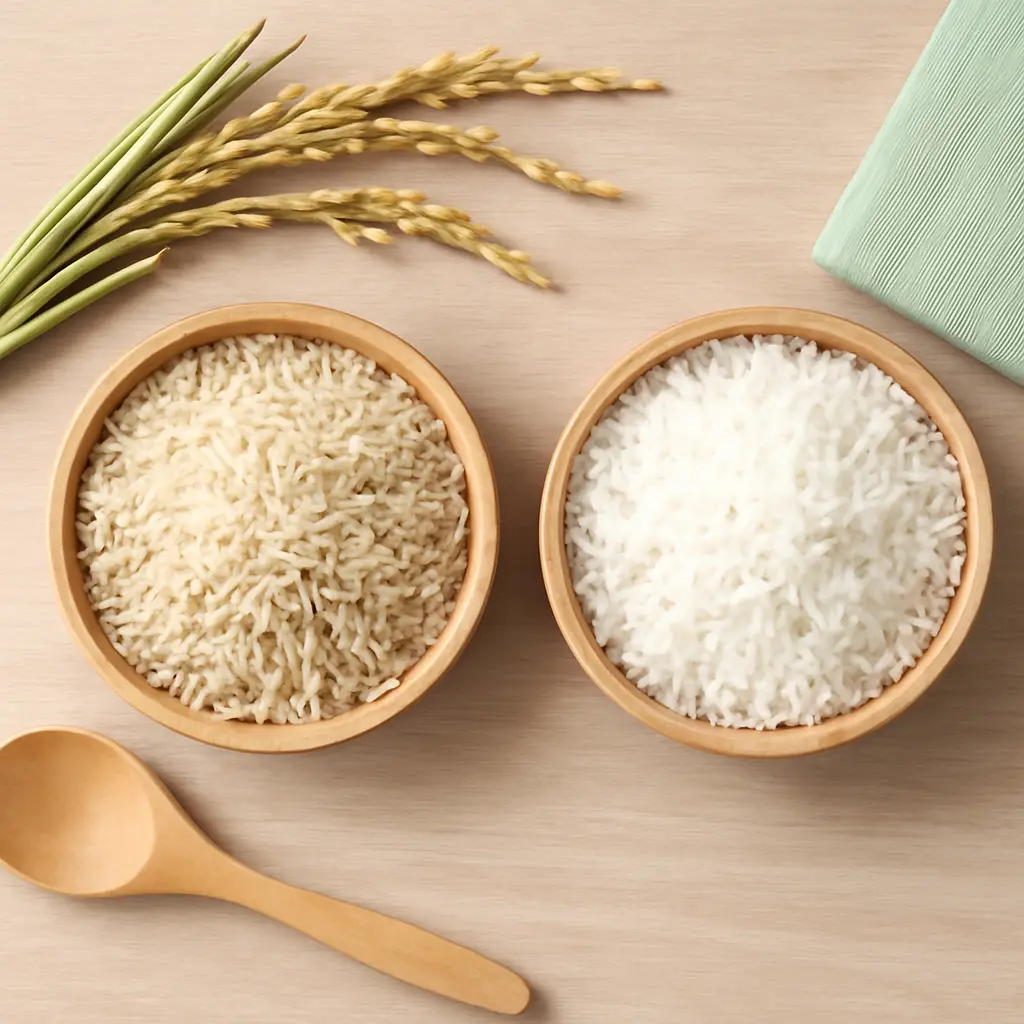
The production process of both basmati and white rice involves several stages, but the differences in processing can significantly impact their characteristics. Basmati rice undergoes a unique aging process where the grains are stored for several months to years. This aging process enhances the rice’s aromatic qualities and helps the grains remain separate and fluffy when cooked. The processing involves removing the husk and bran layers while preserving the grain’s signature aroma and texture.Standard white rice, on the other hand, is milled to remove the outer layers more quickly, often skipping the aging process. Some varieties, like parboiled rice, undergo a steaming process before milling. This steaming causes nutrients to migrate into the endosperm, making the rice more nutritious but slightly altering its texture and cooking time. Long-grain white rice is often preferred for its versatility, while medium and short-grain varieties are used for dishes that require a stickier texture.
Taste and Texture Differences
The differences in taste and texture between basmati and white rice can primarily be attributed to their carbohydrate composition. Basmati rice contains a higher proportion of amylose, a type of starch with a linear structure that causes the grains to absorb less water. This results in cooked basmati rice being fluffy and non-sticky, with each grain remaining distinct.In comparison, white rice typically has a higher amylopectin content, a branched starch that absorbs more water and leads to a stickier texture. This makes white rice suitable for dishes like sushi or risotto, where a cohesive texture is desired.Basmati rice’s aromatic profile, characterized by compounds like 2-acetyl-1-pyrroline, gives it a unique nutty and floral fragrance. This aroma is one of the most cherished aspects of basmati rice, setting it apart from the more neutral scent and flavor profile of standard white rice.
Culinary Applications
Basmati rice is a cornerstone of South Asian cuisine, frequently used in dishes such as biryani and pilaf, where the separate grains and aromatic qualities are highly valued. The delicate flavor of basmati pairs well with spices and complements the rich flavors of meat, vegetables, and sauces. It is also ideal for dishes that require a firm but tender texture.In contrast, white rice is incredibly versatile and can be used in a variety of cuisines worldwide. Long-grain white rice is a common side dish for meats and vegetables, while medium and short-grain varieties are perfect for recipes that call for a sticky consistency, such as sushi, risottos, or desserts like rice pudding.The cooking time for basmati rice is typically around 10–12 minutes, and soaking the rice beforehand can help shorten this time and improve its texture. White rice cooking times vary depending on the type, with long-grain rice taking about 12–15 minutes and shorter grains taking longer due to the need for more water absorption.
Nutritional Value Analysis
Both basmati and white rice are rich in carbohydrates, but their nutritional profiles differ slightly. Basmati rice generally has a lower glycemic index (GI) of around 50–58, which means it causes a slower release of glucose into the bloodstream. This can make basmati a better choice for people who need to manage blood sugar levels.In contrast, white rice, especially varieties high in amylopectin, has a higher glycemic index of 70–90, leading to quicker spikes in blood glucose levels. This difference is important for individuals with health concerns such as diabetes or those aiming for low-GI diets.Nutritionally, both types of rice are low in fat and dietary fiber. However, basmati rice tends to retain slightly more minerals like magnesium, phosphorus, and potassium, especially when it is less polished. Both types of rice provide similar protein content, ranging from 6.5 to 9.5 grams per serving, depending on preparation.
Daily Use and Lifestyle Applications
Incorporating either basmati or white rice into a balanced diet can provide energy and essential nutrients. The choice between the two might depend on personal health goals, culinary preferences, or dietary restrictions.For those monitoring their carbohydrate intake or managing blood sugar levels, basmati rice offers a lower glycemic option. Its aromatic qualities also enhance the flavor profile of meals without the need for additional seasoning.Meanwhile, white rice’s flexibility makes it a staple in many households, suitable for quick meals or complex culinary creations. Its ability to blend with various ingredients makes it a reliable base for diverse dishes.When cooking rice as part of a healthy lifestyle, portion control and balance with other food groups are key. Pairing rice with high-fiber vegetables, protein sources, and healthy fats can create a nutritious and satisfying meal.
Balanced Perspective and Safety
Both basmati and white rice can be part of a nutritious diet when consumed in moderation and accompanied by a variety of other foods. It’s crucial to consider portion sizes and the overall balance of macronutrients in your meals.Moreover, while rice can be a nutritious component of a diet, it is important to be aware of potential contaminants such as arsenic, which can be higher in rice compared to other grains. Washing rice thoroughly before cooking and opting for a varied diet can help mitigate these risks.In conclusion, choosing between basmati and white rice often comes down to personal preference and dietary needs. Basmati rice offers distinct aromatic qualities and a lower glycemic index, while white rice provides versatility and a pleasant texture for a range of dishes. Understanding these differences allows for informed decisions and a more enjoyable culinary experience.


