
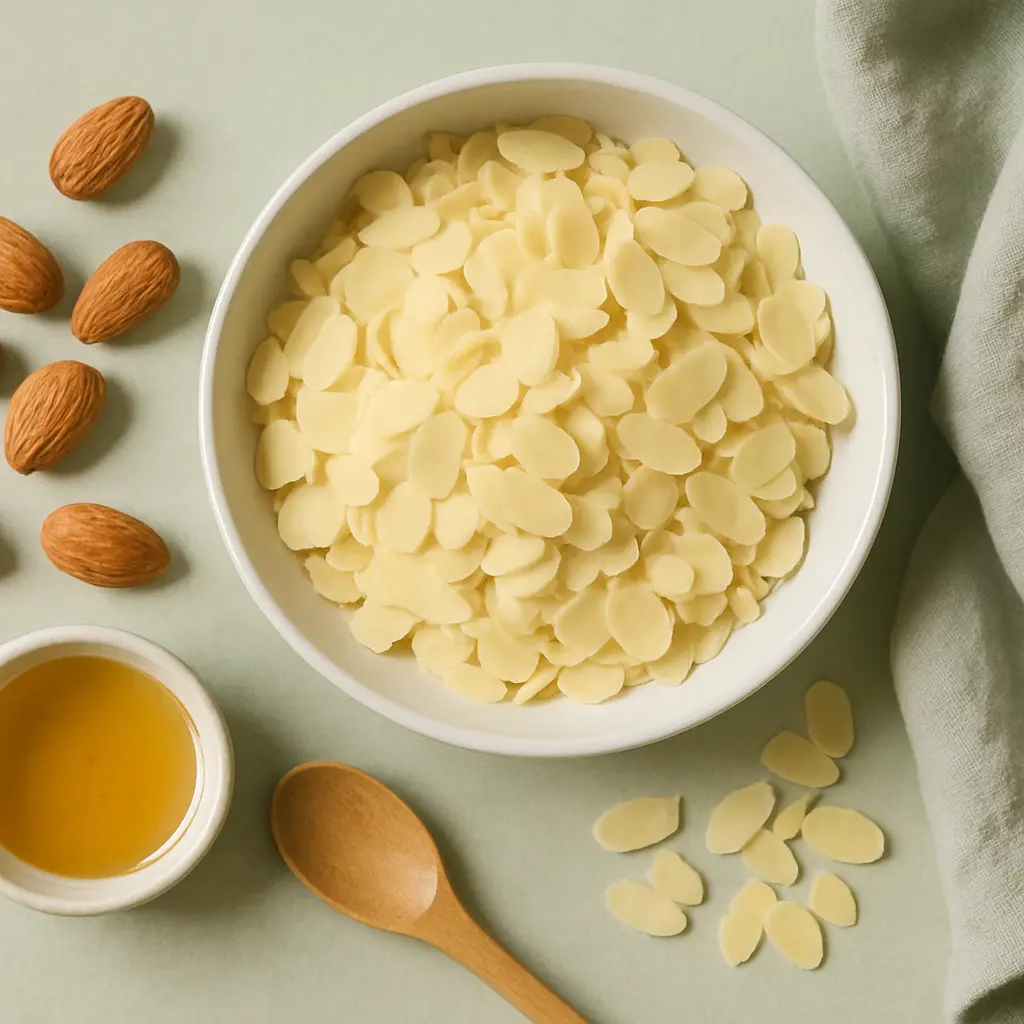
The Nutritional Benefits and Culinary Uses of Almond Flakes
In this page
Almond flakes, a versatile ingredient, are derived from whole almonds and have been gaining popularity for their unique texture and flavor. While they share many nutritional benefits with whole almonds, the differences in preparation and form can lead to variations in their culinary applications and nutritional profile. This article explores the creation of almond flakes, their nutritional value, health benefits, and their role in daily diets and culinary practices.

Scientific Background and General Context
Almonds, the seeds of the Prunus dulcis tree, have been valued for centuries for their nutritional richness and versatility. They are a significant source of healthy fats, protein, fiber, and a variety of essential vitamins and minerals. As almonds are processed into different forms, including whole, blanched, and flaked, their nutritional content can vary. This transformation entails blanching, slicing, and sometimes roasting, which can influence the presence of certain nutrients and beneficial compounds.Almond skins contain most of the nuts’ fiber, antioxidants, and a portion of the vitamins and minerals. Removing the skin during blanching reduces fiber and antioxidant content, but enhances digestibility and reduces potential bitter flavors, which some individuals may find distasteful.
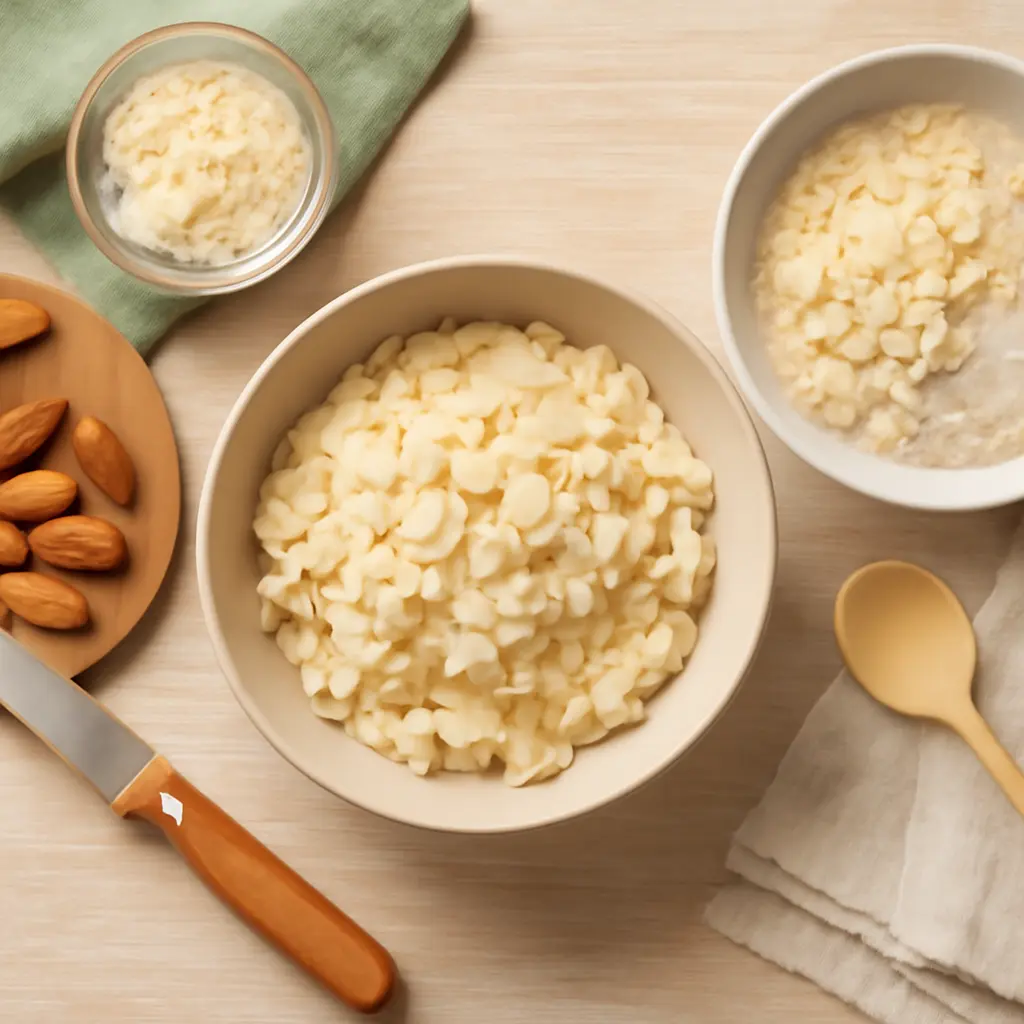
The Creation and Culinary Application of Almond Flakes
Processing Almond Flakes
Almond flakes are produced by slicing blanched almonds into thin, delicate pieces. Blanching involves boiling almonds briefly to remove their brown skins, making them easier to slice and more palatable for those with sensitivity to the skins’ texture or taste. The resulting almond flakes have a light, creamy appearance and a subtle, sweet flavor with a mild nutty aroma. After slicing, they are typically air-dried or lightly roasted to enhance their flavor and shelf life.
Culinary Uses in Baking and Cooking
Almond flakes are prized in culinary arts for their texture and aesthetic appeal. They are often used as a garnish for desserts such as cakes, pastries, and tarts, adding a crunchy contrast and nutty flavor. In savory dishes, almond flakes can be used to top salads, enhance vegetable dishes, or embed in grain-based dishes like rice and quinoa for an added layer of flavor.Due to their light texture, almond flakes are also a popular addition to homemade granola or muesli mixes, where they complement other nuts, seeds, and dried fruits. Their versatility extends to baking, where they are sprinkled on breads and buns to enhance the visual and textural profile.
Nutritional Composition of Almond Flakes
While similar in many ways to whole almonds, almond flakes have some distinct nutritional characteristics. A 3.5-ounce (100-gram) serving of almond flakes contains approximately:
| Nutrient | Amount |
|---|---|
| Calories | 580–610 kcal |
| Protein | 19–22 g |
| Carbohydrates | 6–10 g |
| Fat | 49–54 g |
The reduced fiber and antioxidant content due to skin removal slightly alter their nutritional impact, but they remain a rich source of healthy fats, protein, and energy.
Health Benefits and Nutritional Value of Almonds
Almonds are rich in monounsaturated fats, which are beneficial for heart health. They also contain significant amounts of vitamin E, magnesium, and calcium, contributing to bone health and overall well-being. Despite the loss of skin-related nutrients, almond flakes still offer many of these health benefits.
Clinical Research on Almond Consumption
Clinical studies have shown that almonds can have anti-inflammatory effects and may improve indicators of oxidative stress. Regular almond consumption has been associated with lowered levels of interleukin-6, an inflammatory marker, and a decrease in malondialdehyde levels, an indicator of oxidative stress. However, the effect on C-reactive protein levels, another inflammation marker, is less clear and requires further research.
The Impact of Almonds on Weight and Health Parameters
Almond consumption has been linked to a modest reduction in weight and body fat percentage when included as part of a balanced diet. They have also shown potential in improving lipid profiles by reducing triglycerides, total cholesterol, low-density lipoprotein (LDL), and apolipoprotein B levels, contributing to cardiovascular health.
Almond-Enriched Diets and Metabolic Health
Incorporating almonds into the diet may support beneficial gut microbiota, which plays a crucial role in digestive health and metabolic processes. Almonds have been observed to positively affect glycemic control, with some studies suggesting they may lower glycated hemoglobin levels, an indicator of long-term blood sugar management.Additionally, almonds can contribute to improved blood pressure regulation, with some studies noting a reduction in diastolic blood pressure, though effects on systolic blood pressure are less pronounced.
Daily Use and Lifestyle Applications
Integrating almond flakes into daily meals is an easy way to harness their health benefits. They can be sprinkled over breakfast cereals, yogurt, or smoothie bowls for a nutritional boost. In savory dishes, almond flakes can add texture and flavor to stir-fries, curries, and pilafs.For those managing weight, the satiating combination of healthy fats, protein, and fiber in almond flakes can help curb hunger and support weight management goals. Their versatility makes them compatible with various dietary patterns, including plant-based, ketogenic, and Mediterranean diets.
Balanced Perspective and Safety
While almonds and almond flakes offer numerous health benefits, moderation is key, especially for individuals with nut allergies. Care should be taken to avoid overconsumption, which could lead to excessive caloric intake. As with any dietary change, it is advisable to consult a healthcare provider or nutritionist to tailor almond consumption to individual health needs and goals.In summary, almond flakes are a nutritious and versatile addition to any diet, offering a range of benefits from heart health to metabolic wellbeing. Whether used as a garnish, ingredient, or snack, they provide an enjoyable way to enhance both the flavor and nutritional value of meals.


