Where Does Valine Come From?
In this page
Valine is one of the essential amino acids vital for maintaining health and supporting various bodily functions. The body cannot synthesize valine, thus requiring us to obtain it through our diet. This article explores valine’s origins, its role in the body, the various natural sources, and how to ensure adequate intake to maintain optimal health.
Introduction to Valine
Valine is a branched-chain amino acid (BCAA) commonly found in dietary proteins. It plays a critical role in muscle metabolism, tissue repair, and energy production. As an essential amino acid, valine must be consumed through food or supplements, as our bodies cannot produce it independently. Understanding where valine comes from and how it benefits our health can help us make informed dietary choices and support our overall wellness.
What Is Valine?
Amino acids are organic compounds composed of carbon, hydrogen, nitrogen, oxygen, and, in some cases, sulfur. They are the building blocks of proteins and are crucial for various biological processes. Valine, along with leucine and isoleucine, belongs to the group of branched-chain amino acids (BCAAs). These BCAAs are unique due to their branched molecular structure and play distinct roles in muscle protein synthesis and energy production, especially during physical exertion.
Natural Sources of Valine
Valine can be obtained from a variety of dietary sources, both animal-based and plant-based. It is widely available in protein-rich foods, making it accessible to individuals with diverse dietary preferences.
Animal-Based Sources
Animal-based foods are generally rich in protein and, consequently, valine. Common sources include:
- Meat: Beef, pork, and lamb are excellent sources of valine, providing substantial amounts per serving. These meats are not only high in protein but also contain other essential nutrients like iron and vitamin B12.
- Poultry: Chicken and turkey are lean sources of protein, offering a good supply of valine without excessive calories or fat.
- Fish: Fish such as salmon, tuna, and cod are not only rich in omega-3 fatty acids but also provide significant amounts of valine.
- Dairy: Milk, cheese, and yogurt contribute to valine intake while also offering calcium and vitamin D, supporting bone health.
- Eggs: Eggs are a versatile and nutrient-dense food, providing a complete protein profile, including valine.
Plant-Based Sources
For those following a vegetarian or vegan diet, there are numerous plant-based sources of valine:
- Legumes: Beans, lentils, and chickpeas are excellent sources of valine and other essential amino acids, making them a staple in plant-based diets.
- Nuts and Seeds: Almonds, peanuts, sunflower seeds, and chia seeds offer a good amount of valine along with healthy fats and fiber.
- Whole Grains: Foods like quinoa, brown rice, and oats provide valine while also offering complex carbohydrates and fiber.
- Soy Products: Tofu, tempeh, and edamame are rich in protein and provide a complete amino acid profile, including valine.
- Vegetables: While not as high in protein, vegetables like spinach, kale, and broccoli contain moderate amounts of valine and other nutrients.
Valine Supplementation
While most individuals can obtain sufficient valine through a balanced diet, certain populations may benefit from supplementation. Athletes or those engaging in intense physical training may require additional valine to support muscle recovery and reduce muscle fatigue. Additionally, individuals with specific medical conditions, such as liver disease or metabolic disorders, might need to consider valine supplements, but under medical supervision.
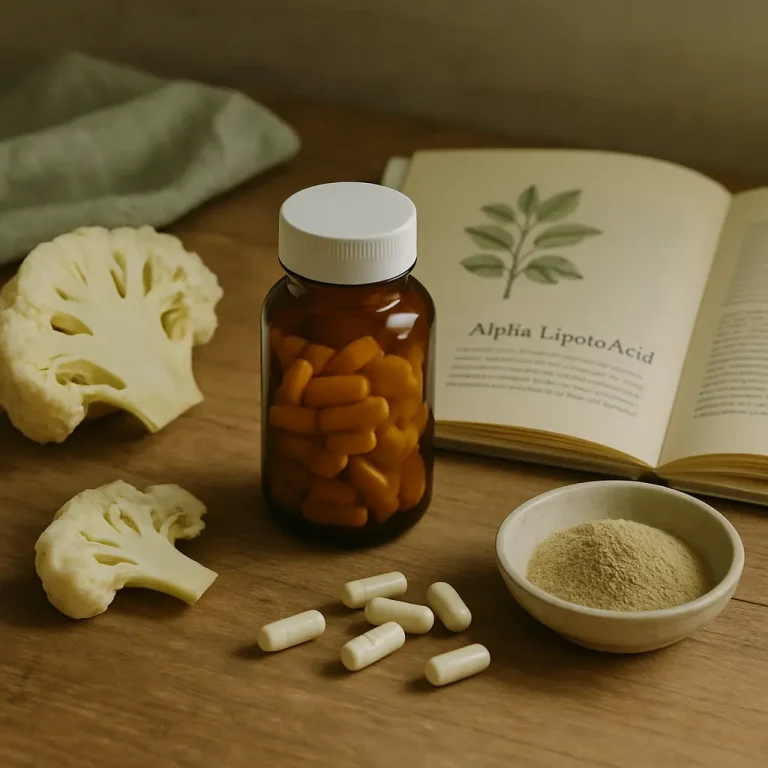
Valine supplements are available in various forms, including capsules, powders, and as part of BCAA blends. It’s essential to consult healthcare professionals before beginning any supplementation, as excessive intake of amino acids can lead to imbalances and health issues.
Valine in Processed Foods
Processed foods can sometimes contain added valine to enhance their nutritional profile, particularly products marketed toward athletes and bodybuilders. Protein bars, shakes, and meal replacement products often include BCAAs to increase their protein content. However, relying solely on processed foods for valine intake is not advisable due to potential additives, preservatives, and lower nutritional quality compared to whole foods.
Factors Influencing Valine Availability
Several factors can influence the availability and absorption of valine in the body:
- Diet: A varied diet with adequate protein sources is crucial for ensuring sufficient valine intake.
- Digestive Health: Efficient digestion and absorption of proteins are essential. Conditions like irritable bowel syndrome (IBS) or inflammatory bowel disease (IBD) might affect nutrient absorption.
- Age and Lifestyle: Older adults or those with an active lifestyle may have different valine requirements due to changes in muscle mass and metabolism.
- Metabolic Disorders: Certain genetic conditions can impact amino acid metabolism, necessitating dietary adjustments.
Ensuring Adequate Valine Intake
To maintain adequate valine intake, it is essential to include a variety of protein-rich foods in your diet. Balance is key, ensuring that both animal and plant-based sources are consumed according to dietary preferences and nutritional needs. Here are some tips to help ensure proper valine intake:
- Meal Planning: Plan meals that incorporate a balance of proteins, carbohydrates, and fats, while emphasizing diverse protein sources.
- Regular Monitoring: For those with specific dietary needs, periodic assessment of amino acid intake can be beneficial to avoid deficiencies.
- Consulting Professionals: Nutritionists or dietitians can provide personalized advice and meal plans to meet individual valine requirements.
Conclusion
Valine is an essential amino acid that plays a pivotal role in muscle metabolism and overall health. By understanding its dietary sources and ensuring adequate intake, individuals can support their body’s protein synthesis and energy production needs. Whether through animal-based, plant-based, or supplemental sources, valine remains a crucial component of a balanced diet, promoting optimal health and wellbeing.
References and Further Reading
- National Institutes of Health (NIH): Dietary Supplements Information
- World Health Organization (WHO): Protein and Amino Acid Requirements in Human Nutrition
- Journal of Nutrition and Metabolism: The Role of Branched-Chain Amino Acids in Muscle Protein Synthesis and Energy Balance
- American Journal of Clinical Nutrition: Protein Quality Evaluation and Dietary Protein Sources
This article is for informational purposes only and does not constitute medical advice. Always consult a registered dietitian or healthcare provider before starting any supplement regimen.