
The Essential Role of Protein in a Balanced Diet: Myths, Needs, and Sources
In this page
Protein is often associated with bodybuilders and athletes, but it is a critical nutrient for everyone. It plays a major role in building and repairing tissues, producing enzymes and hormones, and supporting overall health. This article explores common myths about protein consumption, the consequences of protein deficiency and excess, how to determine adequate intake, and practical ways to incorporate the right amount of protein into your diet.

Scientific Background and General Context
Protein is made up of amino acids, which are the building blocks of life. The human body requires a variety of amino acids to function properly. While some amino acids can be produced by the body, others, known as essential amino acids, must be obtained through diet. Protein is involved in numerous bodily functions, including muscle growth, immune response, and cellular repair.
Despite its importance, there is a lot of confusion about how much protein is needed and how it should be consumed. Popular diet trends and misinformation can lead to unhealthy practices. Understanding the science behind protein and its role in the body helps demystify these misconceptions and supports informed dietary choices.

Myths versus Facts
There are several misconceptions about protein consumption that can lead to either insufficient or excessive intake. One common myth is that the body can only absorb a limited amount of protein per meal. However, research suggests that the body’s ability to utilize protein is more complex and can vary based on factors such as age, activity level, and overall diet.
Another myth is that high-protein diets lead to kidney damage in healthy individuals. While excessive protein intake may pose risks for those with pre-existing kidney conditions, healthy individuals typically have little to worry about when consuming protein within recommended levels.
Insufficient Protein Intake
Muscle Weakness and Loss
Protein deficiency can lead to significant health problems, particularly related to muscle mass and function. Muscles require protein to repair and grow, and a lack of adequate protein can result in muscle weakness and loss, affecting physical performance and increasing the risk of injury. This is especially concerning for children, who are still growing, and older adults, who may already be experiencing muscle deterioration due to aging.
Body Composition and Immune Function
A protein-deficient diet can negatively impact the body’s composition, making it harder to maintain a healthy balance between muscle and fat. Protein helps regulate appetite and energy use, and its absence can lead to increased fat accumulation. Moreover, protein is crucial for the immune system, skin health, and the strength of hair and nails, meaning that insufficient intake can compromise these areas as well.
Excessive Protein Intake
While less common, consuming too much protein can also have adverse effects. For instance, individuals with existing kidney issues may experience worsening symptoms due to the increased workload on these organs. Additionally, diets overly rich in processed protein sources, such as certain meats and cheeses, can lead to digestive issues like constipation or diarrhea.
Determining Adequate Protein Intake
Protein per Meal
Common advice suggests that the human body can handle approximately 20-30 grams of protein per meal. However, newer research indicates that this number can be higher, particularly in athletes or those engaging in regular strenuous exercise. For these individuals, consuming 30-40 grams of protein per meal may be beneficial, equivalent to about 1.7-2.7 ounces of chicken breast or a similar source.
Daily Protein Needs
Daily protein requirements vary based on physical activity level and health goals. Generally, physically active individuals need about 0.5-0.9 grams of protein per pound of body weight daily. Endurance athletes may need less, while those involved in strength training might require more, sometimes up to 1.1 grams per pound. Maintaining this balance is crucial for muscle maintenance and energy levels, especially during weight loss or muscle-building phases.
Protein Requirement Estimates
The following table provides estimated protein needs for different groups:
| Group | Protein Requirement (grams per pound of body weight) |
|---|---|
| Non-active individuals | 0.36 – 0.55 |
| Long-distance runners | 0.55 – 0.73 |
| Strength athletes | 0.73 – 0.91 |
| Athletes during weight loss | 0.91 – 1.1 |
Daily Use and Lifestyle Applications
Incorporating adequate protein into a balanced diet can be challenging due to factors like dietary restrictions, budget limitations, or lack of culinary skills. Fast-paced lifestyles and food trends, such as plant-based diets, may also impact protein choices. Even health issues like food allergies or digestive disorders can affect protein consumption.
Traditional Protein Sources
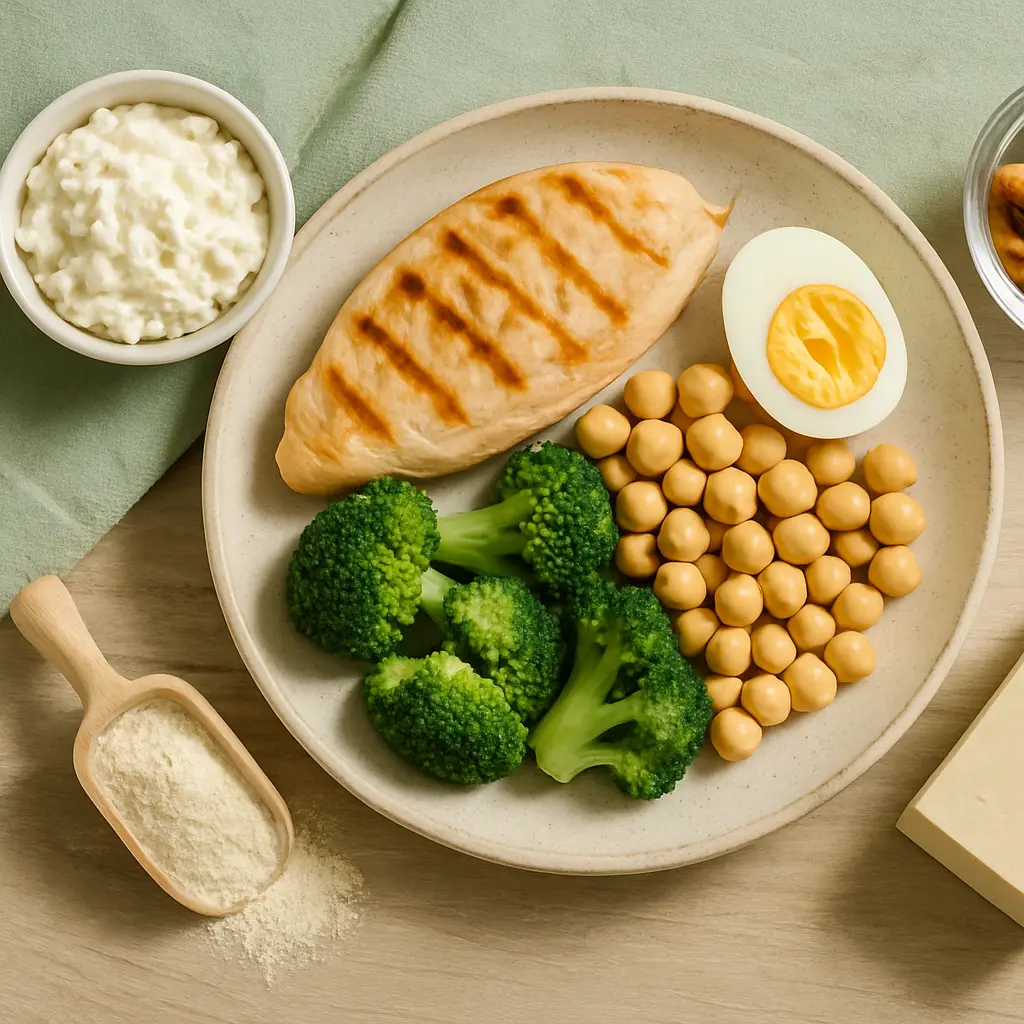
For those looking to meet protein needs through traditional sources, a variety of foods are available. Lean meats, such as chicken, turkey, and lean cuts of beef and pork, offer high protein without excessive fat. Fish and seafood, including salmon and tuna, are also excellent sources. Dairy products, eggs, and legumes like lentils and chickpeas add diversity to the diet while providing essential nutrients.
Protein Supplements
Protein supplements, available as powders or ready-to-eat bars and drinks, are popular among those with high protein demands or limited time for meal preparation. Options include whey, egg, and plant-based proteins such as pea, soy, and rice. These supplements offer flexibility and convenience and can be added to a variety of meals or snacks to increase protein intake easily.
Balanced Perspective and Safety
While protein is vital, balance is key. It’s important to prioritize whole, nutrient-rich foods and ensure that protein consumption aligns with personal health goals and needs. Consultation with healthcare providers or nutritionists can help tailor protein intake to individual requirements, ensuring both safety and effectiveness.
In summary, understanding the role of protein in the diet and making informed choices supports overall health and well-being. Whether through traditional foods or supplements, achieving the right balance of protein is accessible to everyone, regardless of lifestyle or dietary preferences.


