Where Does Tryptophan Come From?
In this page
Tryptophan is an essential amino acid that plays a crucial role in various biochemical processes in the human body. This article delves into the sources of tryptophan, its significance in human health, and how it can be incorporated into a balanced diet. We will explore both dietary sources and supplements, as well as the critical functions tryptophan performs, such as mood regulation and niacin production.
Introduction to Tryptophan
Tryptophan is one of the nine essential amino acids that the human body cannot synthesize on its own, making it vital to obtain through diet. It serves as a precursor to several important molecules, including serotonin, a neurotransmitter that significantly influences mood and sleep. Tryptophan’s role in protein synthesis and metabolic functions underscores its importance in maintaining overall health.
Dietary Sources of Tryptophan
Obtaining sufficient tryptophan from dietary sources is crucial for supporting the body’s physiological functions. Tryptophan is present in a variety of food items, ranging from animal-based to plant-based sources, providing ample options for diverse dietary preferences.
Animal-Based Sources
Animal-based foods are generally rich in tryptophan, offering a complete protein profile. These sources include:
- Poultry: Turkey and chicken are well-known sources of tryptophan, making them popular choices for those looking to increase their intake.
- Dairy Products: Milk, cheese, and yogurt not only provide tryptophan but also offer a blend of other essential nutrients like calcium and vitamin D.
- Seafood: Fish such as salmon and tuna are excellent sources, providing the added benefit of omega-3 fatty acids.
- Eggs: Not only are eggs a versatile food item, but they are also rich in tryptophan and provide high-quality protein.
Plant-Based Sources
For those following a vegetarian or vegan lifestyle, there are several plant-based foods that contain tryptophan:
- Nuts and Seeds: Almonds, walnuts, and seeds like pumpkin and sesame are good sources.
- Legumes: Beans, lentils, and chickpeas not only contain tryptophan but are also rich in fiber and other minerals.
- Grains: Oats, wheat germ, and quinoa offer tryptophan alongside complex carbohydrates, which help in stabilizing blood sugar levels.
- Fruits: Bananas contain modest amounts of tryptophan and are often paired with other tryptophan-rich foods for enhancing diet quality.
Tryptophan Supplements
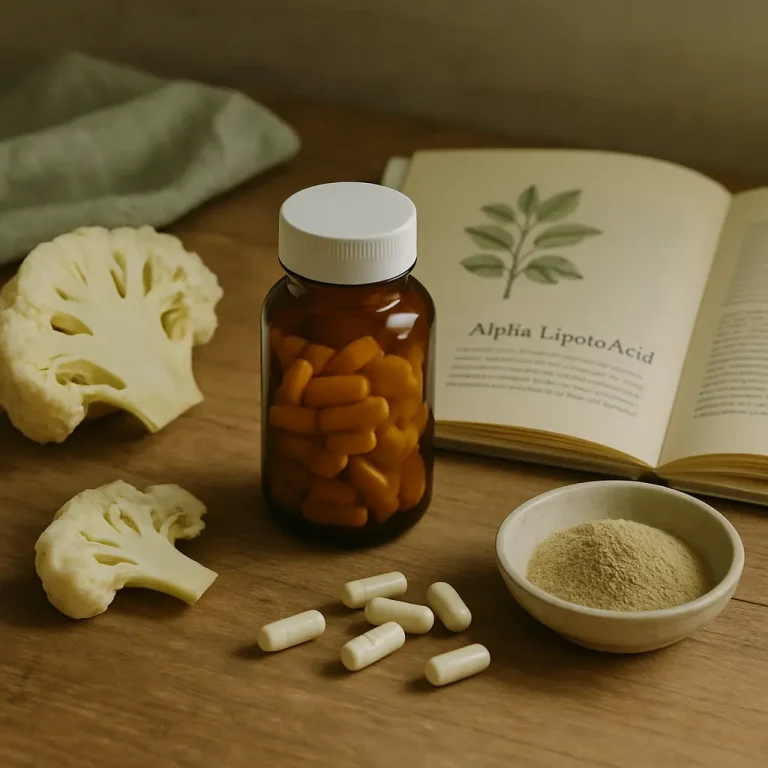
For individuals who struggle to meet their tryptophan needs through diet alone, supplements may be an option. Tryptophan supplements are often used to address specific health concerns, such as mood disorders or sleep disturbances. It is important to approach supplementation with caution and ideally under the guidance of a healthcare provider, as excessive intake can lead to adverse effects.
The Role of Tryptophan in the Body
Tryptophan’s influence extends beyond its role in protein synthesis. It is instrumental in the production of several critical compounds that affect mood, sleep, and overall health.
Serotonin and Mood Regulation
Tryptophan is a precursor to serotonin, a neurotransmitter that plays a key role in mood regulation, sleep patterns, and appetite. Adequate levels of serotonin are associated with feelings of well-being and happiness, while deficiencies can lead to mood disorders such as depression and anxiety. Ensuring sufficient tryptophan intake can help support a balanced mood.
Role in Niacin Production
In addition to serotonin synthesis, tryptophan is involved in the production of niacin (vitamin B3), which is essential for energy production, DNA repair, and maintaining healthy skin. The conversion of tryptophan to niacin can help prevent deficiencies in this crucial vitamin, particularly in populations with limited access to niacin-rich foods.
Recommended Daily Intake
The recommended daily intake of tryptophan varies depending on age, gender, and physiological conditions, such as pregnancy. Generally, it is estimated that adults need approximately 5 mg of tryptophan per pound of body weight. This translates to about 1,000–1,500 mg per day for an average adult. It is important to balance tryptophan intake with other amino acids to ensure optimal health and metabolic function.
Conclusion
Tryptophan is an essential amino acid with significant implications for physical and mental health. Understanding its dietary sources and its role in physiological processes such as serotonin production and niacin synthesis is crucial for maintaining well-being. Whether through animal-based foods, plant-based options, or supplements, ensuring adequate tryptophan intake is a key component of a healthy lifestyle.
Frequently Asked Questions
- Can tryptophan be synthesized by the body? No, tryptophan is an essential amino acid, meaning it must be obtained through diet as the body cannot produce it.
- Are there risks associated with tryptophan supplements? While tryptophan supplements can be beneficial, excessive intake can lead to side effects such as nausea, dizziness, and serotonin syndrome. It is advisable to consult with a healthcare provider before starting supplementation.
- Does eating turkey make you sleepy? Turkey contains tryptophan, which is involved in serotonin and melatonin production, potentially promoting sleep. However, the sleepiness often associated with turkey consumption is more likely due to large meals and holiday relaxation.
This article is for informational purposes only and does not constitute medical advice. Always consult a registered dietitian or healthcare provider before starting any supplement regimen.