
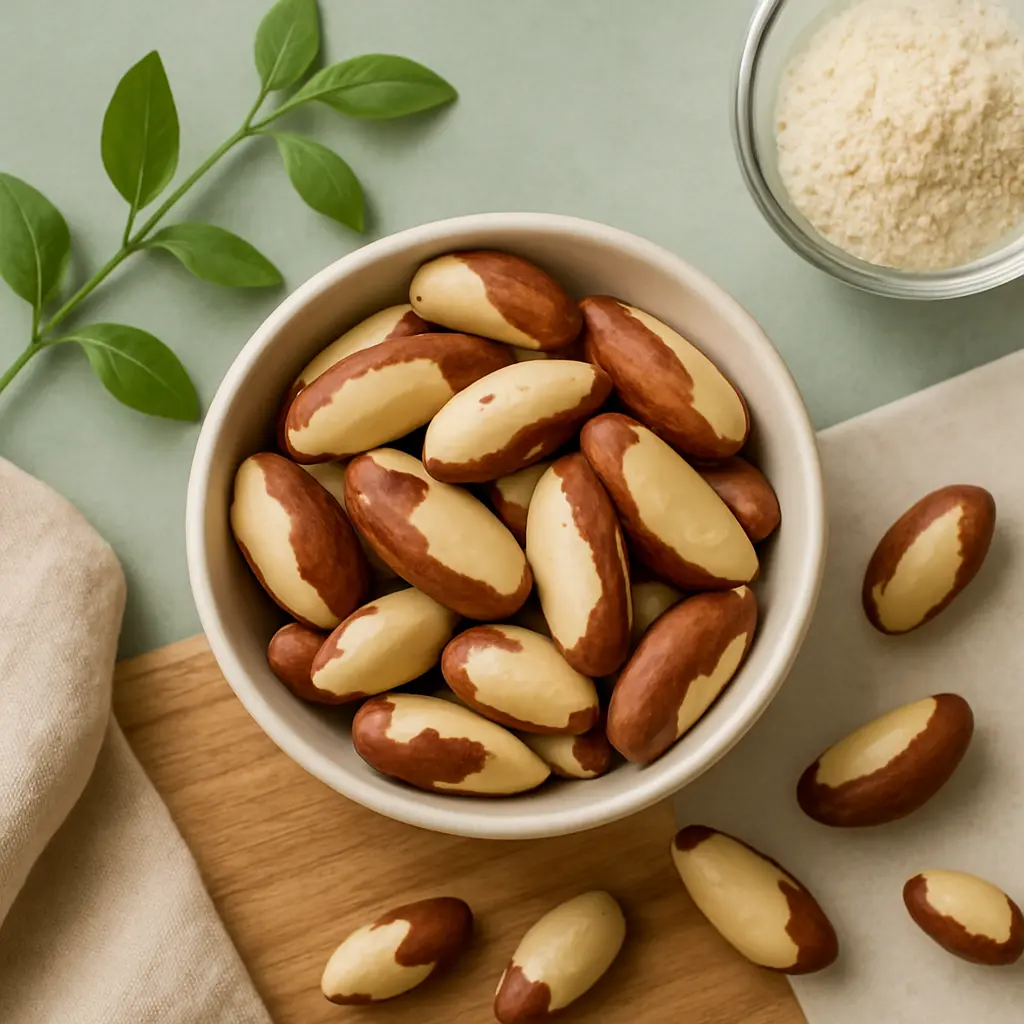
Unveiling the Nutritional Power of Brazil Nuts
In this page
Brazil nuts, although not as commonly consumed as almonds or walnuts, are increasingly recognized for their significant nutritional benefits. Found in the Amazon rainforest, these nuts are a rich source of selenium and other essential nutrients, contributing to overall health. This article explores the unique characteristics, nutritional profile, and lifestyle applications of Brazil nuts, providing a comprehensive understanding of their role in a balanced diet.

Scientific Background and General Context
Brazil nuts, scientifically known as Bertholletia excelsa, originate from towering trees in the lush rainforests of Brazil, Bolivia, and Peru. These trees can reach heights of 160 feet and are a critical part of the ecosystem, depending on specific large bee species for pollination. The nuts themselves are encased in a hard, coconut-like shell, which takes about 14 months to mature. Once they fall to the ground, the nuts are collected by local gatherers, making their way into markets primarily in North America and Europe. Due to the complexity of their cultivation, attempts to grow these trees outside their natural habitat often meet with limited success.

Nutritional Profile of Brazil Nuts
Caloric Content and Macronutrients
A 100-gram serving of Brazil nuts provides approximately 650 calories, predominantly from fats. These fats, amounting to 65 grams per 100 grams of nuts, are primarily unsaturated, promoting cardiovascular health and possessing anti-inflammatory properties. The nuts also contain about 14 grams of protein and 12 grams of carbohydrates, including nearly 7.5 grams of fiber, which supports digestive health.
Exceptional Source of Selenium
Brazil nuts are celebrated for their remarkable selenium content, with levels exceeding 1900 micrograms per 100 grams. This mineral plays a crucial role in various bodily functions, including immune response enhancement, thyroid function support, and oxidative stress reduction. Consuming just one to two Brazil nuts daily can sufficiently meet the recommended daily selenium intake, highlighting their potency in small quantities.
Other Essential Minerals and Vitamin E
In addition to selenium, Brazil nuts are rich in magnesium and copper, contributing to bone health and energy production, respectively. They also provide a good amount of vitamin E, a powerful antioxidant that helps protect cells from damage and supports skin health.
Culinary Applications of Brazil Nuts
The distinct buttery flavor and crunchy texture of Brazil nuts make them a versatile ingredient in various culinary applications. They are often enjoyed raw or lightly roasted to preserve their nutritional integrity. Brazil nuts can enhance the flavor and nutritional profile of nut mixes, muesli, and desserts. Their high-fat content also allows them to substitute other nuts in baking, adding richness to cakes and crusts.
Moreover, Brazil nut oil, extracted from these nutritious seeds, is valued for its fatty acid composition. It is used in culinary settings for its rich flavor and health benefits and in cosmetic products, particularly in skin and hair care formulations due to its moisturizing properties.
Daily Use and Lifestyle Applications
Incorporating Brazil nuts into one’s diet can be both simple and rewarding. Due to their high selenium content, moderation is key to preventing excessive intake. A single nut can make a convenient, nutrient-packed snack, and adding chopped Brazil nuts to salads or yogurt can enhance meal diversity. They can also be ground into nut butter for a delicious spread on toast or incorporated into smoothies for a nutritional boost.
For those following plant-based diets, Brazil nuts offer a valuable protein and nutrient source. Their inclusion in meal planning can contribute to a balanced intake of essential minerals and healthy fats.
Balanced Perspective and Safety
While Brazil nuts are a nutritional powerhouse, it’s important to consume them in moderation. Selenium, while beneficial, can lead to toxicity symptoms such as hair loss, nail discoloration, and gastrointestinal disturbances if consumed in excess. Thus, limiting intake to a few nuts per day is advisable for most people.
Individuals with nut allergies should exercise caution, as Brazil nuts may trigger allergic reactions similar to those caused by other tree nuts. Consulting with a healthcare professional before introducing Brazil nuts into your diet is recommended, especially if you have existing health conditions or dietary concerns.
Conclusion
Brazil nuts, with their rich selenium content and unique nutritional profile, are a valuable addition to a healthy diet. Their culinary versatility and health benefits make them a favorite among those seeking nutrient-dense food options. By understanding their nutritional contributions and adopting a balanced approach to consumption, individuals can enjoy the myriad health benefits these exotic nuts offer.


