
Understanding Iron: Importance, Sources, and Managing Deficiency
In this page
Iron plays a vital role in our bodies, primarily in the formation of red blood cells and the transport of oxygen. Despite its importance, iron deficiency is a common nutritional issue worldwide, affecting various groups differently. This article explores the significance of iron, examines the challenges related to its dietary intake, and provides insights into the best sources and supplementation strategies. Additionally, we’ll discuss the consequences of iron deficiency and provide a balanced perspective for maintaining optimal iron levels safely.

Scientific Background and General Context
Iron is a critical component of hemoglobin, the protein in red blood cells responsible for carrying oxygen from our lungs to the rest of our bodies. It also plays a role in energy production and immune function. There are two types of dietary iron: heme and non-heme. Heme iron, found in animal products, is more readily absorbed by the body compared to non-heme iron, which is found in plant sources.The body’s ability to absorb iron is influenced by many factors, including overall health, dietary composition, and individual physiological needs. For instance, vitamin C can enhance the absorption of non-heme iron, while certain compounds like phytates (found in grains and legumes) and tannins (present in tea) can inhibit it.
Challenges with Iron in the Diet
Women and Age Groups
Women, particularly those of childbearing age, face a higher risk of iron deficiency due to menstrual blood losses. During pregnancy, the demand for iron increases significantly to support fetal development. Children and adolescents also require more iron to support growth spurts, while older adults may face absorption issues due to gastrointestinal changes.
Athletes and Vegans
Athletes often experience increased iron needs due to higher red blood cell turnover and losses through sweat. Vegans and vegetarians may struggle to meet their iron requirements since plant-based iron is less bioavailable. Combining iron-rich plant foods with vitamin C-rich foods can help improve absorption.
Individuals with Health Conditions
Certain health conditions, such as celiac disease, inflammatory bowel disease, or infections like Helicobacter pylori, can impair iron absorption. Surgical interventions, particularly bariatric surgery, can also affect the body’s ability to absorb iron, increasing the risk of deficiency.
The Best Sources of Iron
Heme and Non-Heme Iron
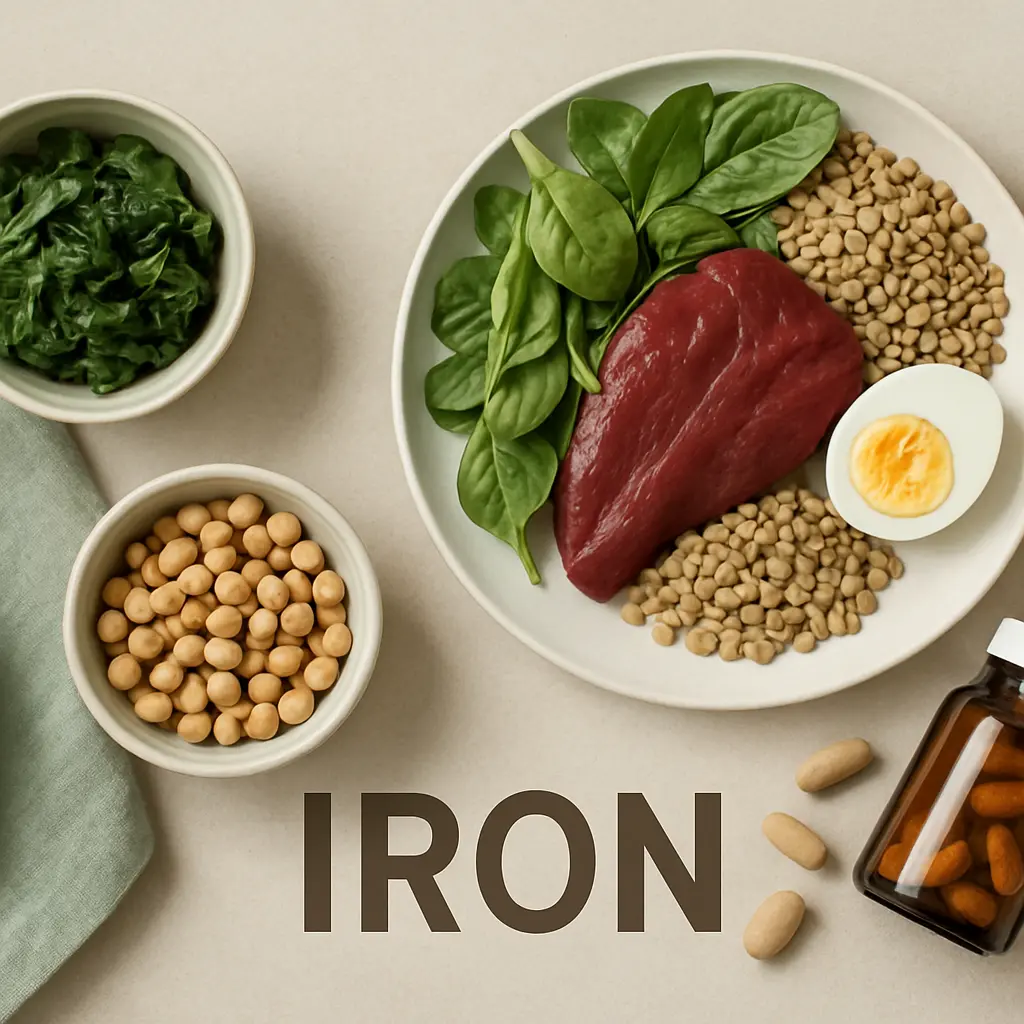
Iron-rich foods can be classified into heme and non-heme sources. Heme iron, found in animal products, includes red meat, poultry, fish, and organ meats like liver. Non-heme iron is present in plant-based foods like legumes, whole grains, nuts, seeds, and leafy greens. While non-heme iron is less readily absorbed, its absorption can be enhanced by consuming it with vitamin C-rich foods.
Iron Absorption
Enhancing iron absorption is crucial, especially for those relying on plant sources. Vitamin C aids in converting iron into a more absorbable form, while vitamin A and B vitamins support iron metabolism and red blood cell production. It’s beneficial to pair iron-rich meals with fruits and vegetables high in vitamin C, such as citrus fruits, strawberries, or bell peppers.
When to Consider Supplements
Dietary supplements may be necessary when dietary intake doesn’t meet the body’s iron needs. Common forms of iron supplements include ferrous sulfate, ferrous gluconate, and iron bisglycinate, each with varying degrees of absorption and gastrointestinal tolerance. It’s essential to consult with a healthcare provider before starting supplementation to avoid potential side effects, such as gastrointestinal discomfort, and to assess the need through blood tests like hemoglobin and ferritin levels.
Estimated Iron Content in Common Sources
| Food Item | Iron Content (mg per 3.5 oz) |
|---|---|
| Beef Liver | 6-8 mg |
| Red Meat (Beef) | 2-4 mg |
| Pumpkin Seeds | 7-9 mg |
| Raw Chickpeas | 6-8 mg |
| Raw Spinach | 2-4 mg |
Consequences of Iron Deficiency
Early Symptoms
Initial signs of iron deficiency can include fatigue, weakness, and difficulty concentrating, stemming from impaired oxygen transport. Other symptoms may involve headaches, pale skin, and shortness of breath with minimal exertion. In children and adolescents, deficiency may lead to irritability, learning difficulties, and stunted growth.
Severe Deficiencies
Chronic iron deficiency can progress to anemia, characterized by extreme fatigue, heart problems, and increased risk of heart failure in those with cardiovascular issues. Prolonged deficiency can also weaken the immune system, making the body more susceptible to infections and slowing wound healing. For pregnant women, iron deficiency can pose risks for both the mother and fetus, potentially leading to complications such as preterm delivery and low birth weight.
Balanced Perspective and Safety
Maintaining adequate iron levels requires a balanced approach. It’s important to consume a varied diet that includes both heme and non-heme iron sources, while considering factors that affect iron absorption. Regular monitoring through blood tests can help detect deficiencies early and guide appropriate dietary adjustments or supplementation.While iron is essential, excessive intake can be harmful, leading to conditions like iron overload, which can damage organs. Therefore, supplementation should be carefully managed and only pursued when necessary under medical guidance. By understanding iron’s role and managing its intake wisely, individuals can support their overall health and well-being effectively.


