
Understanding Artificial Sweeteners: Facts, Usage, and Safety
In this page
Artificial sweeteners have become a staple in the diet of many individuals seeking to reduce calorie intake while still enjoying sweet flavors. These sugar substitutes are found in a wide range of products, from diet sodas and chewing gum to supplements and “fit” foods. Despite their popularity, some artificial sweeteners continue to be surrounded by controversy regarding their safety and potential health effects. This article will delve into the scientific facts and safety assessments conducted by regulatory institutions, providing a balanced perspective on different sweeteners and their appropriate daily consumption.

Scientific Background and General Context
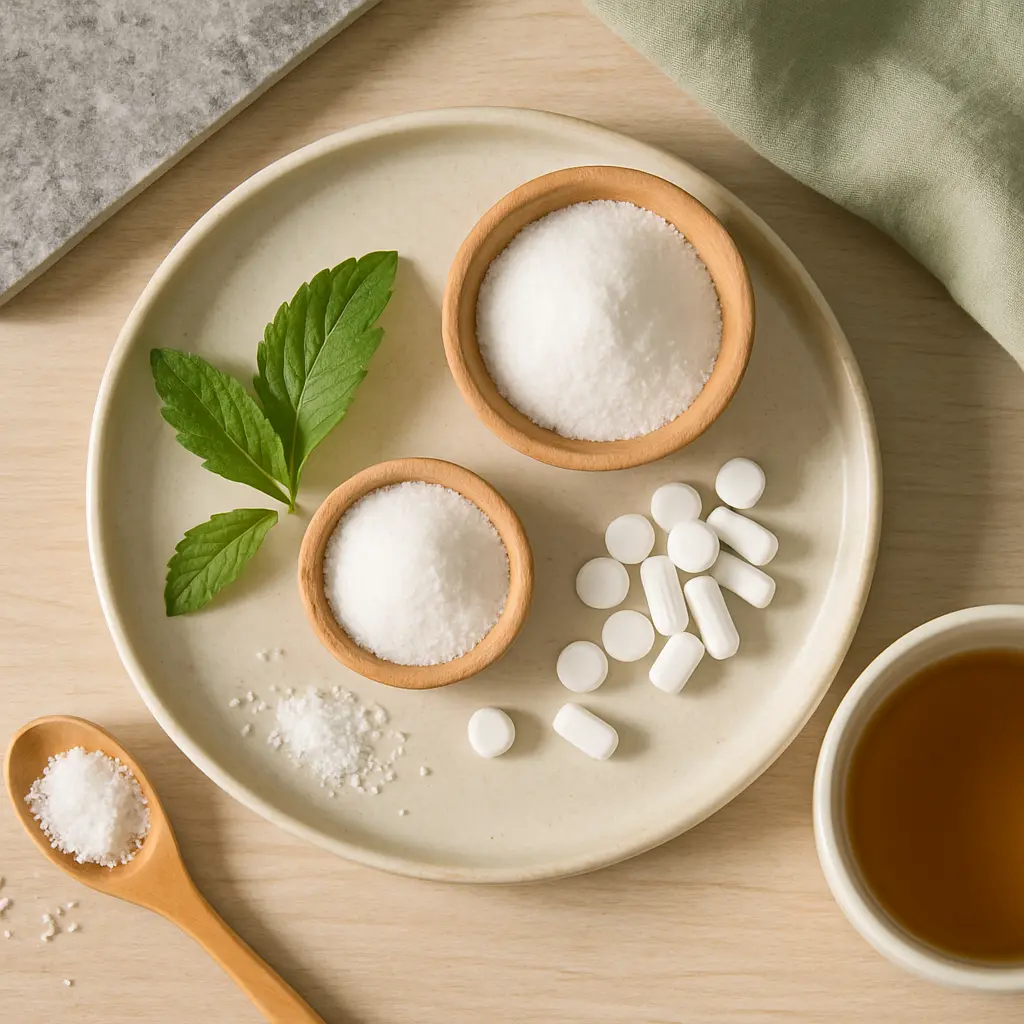
Artificial sweeteners are synthetic sugar substitutes that provide sweetness without the calories associated with regular sugar. They are significantly sweeter than sucrose, allowing for smaller quantities to be used to achieve the desired sweetness. Various health organizations, such as the U.S. Food and Drug Administration (FDA) and the European Food Safety Authority (EFSA), have evaluated the safety of these sweeteners, setting Acceptable Daily Intake (ADI) levels that are considered safe for consumption.Each sweetener has its unique chemical structure and properties, which influence how it interacts with the human body. The key sweeteners commonly used include aspartame, sucralose, stevia, erythritol, and maltitol. Despite their widespread use, some concerns persist about their potential impact on health, particularly regarding gut health, metabolism, and long-term effects.
The Controversy Surrounding Sweeteners
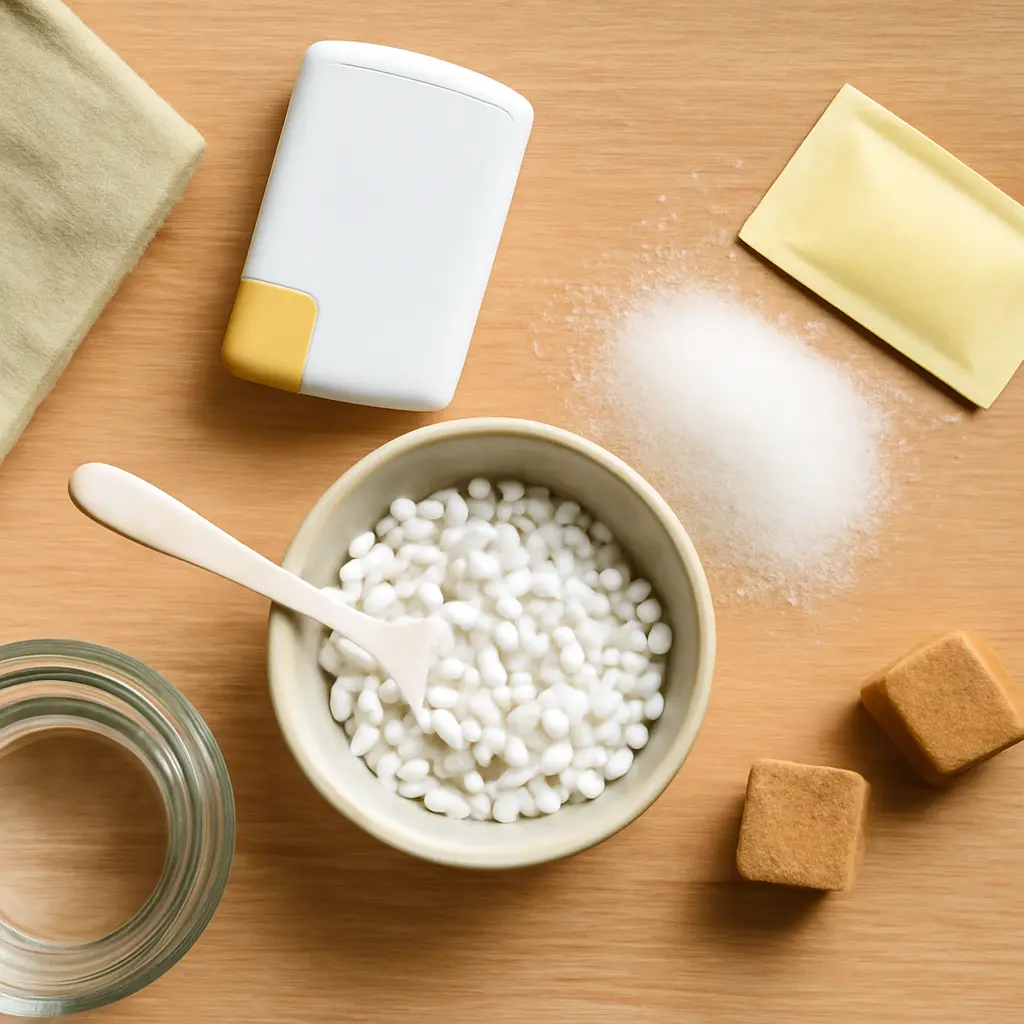
The controversy surrounding artificial sweeteners primarily arises from studies suggesting potential adverse effects. These studies often investigate the impact of consuming sweeteners in quantities far exceeding typical dietary intake. Concerns have been raised about possible effects on the gut microbiome and hormonal regulation. However, the scientific consensus, supported by extensive research and regulatory reviews, indicates that when consumed within established ADIs, these sweeteners are generally safe.The key to minimizing potential risks is understanding and adhering to the recommended ADI for each sweetener. The ADI is a measure of the amount of a substance that can be consumed daily over a lifetime without posing a significant risk to health. Calculating this intake in practical terms, such as servings of specific foods or beverages, helps consumers stay within safe consumption limits.
A Closer Look at Common Sweeteners
Aspartame: The Most Studied Sweetener
Aspartame is a low-calorie sweetener that is approximately 200 times sweeter than sugar. It is widely used in diet sodas, sugar-free gums, and tabletop sweeteners. Despite its extensive use, aspartame has faced scrutiny over claims linking it to neurological effects and cancer. Upon evaluation by the FDA and EFSA, aspartame has been deemed safe for consumption within the ADI of 50 milligrams per kilogram of body weight per day.For practical understanding, this translates to about 18-19 cans of diet soda for an average adult weighing 150 lbs, a quantity that is typically beyond daily consumption levels.
Sucralose: Stable and Calorie-Free
Sucralose, known under the brand name Splenda, is another popular artificial sweetener that is 600 times sweeter than sugar. Its stability at high temperatures makes it suitable for cooking and baking. Some studies have suggested that sucralose might alter gut microbiota or affect insulin levels, but these findings were primarily observed at consumption levels much higher than typical human intake.The ADI for sucralose is set at 5 milligrams per kilogram of body weight per day, which equates to the equivalent of about 31 packets of sucralose for a person weighing 150 lbs.
Stevia: A Natural Alternative
Derived from the leaves of the Stevia rebaudiana plant, stevia is a natural sweetener that is 200–300 times sweeter than sugar. It is free of calories and has become a popular choice for those seeking natural sweetening options. Stevia’s safety is well-regarded, though some find its slight aftertaste undesirable. The ADI for steviol glycosides, the sweet components of stevia, is 4 milligrams per kilogram of body weight per day.This safe consumption level equates to approximately 10 packets of stevia sweetener for someone weighing 150 lbs per day.
Erythritol: The Ideal Sugar Alcohol
Erythritol is a sugar alcohol naturally occurring in some fruits and fermented foods. It provides 60–70% of the sweetness of sugar and has almost zero calories. Erythritol is well-tolerated by most people, but excessive consumption can lead to digestive discomfort like bloating in sensitive individuals.The FDA has not set an ADI for erythritol, indicating its safety at levels consistent with typical dietary use. However, moderation is advised to avoid potential gastrointestinal side effects.
Maltitol: A Popular Sugar Substitute
Maltitol is another sugar alcohol commonly used in sugar-free candies and chocolate. It offers 70–90% of the sweetness of sugar and contains about 2.1 calories per gram, making it a lower-calorie option than sugar. However, like other sugar alcohols, excessive maltitol consumption can lead to digestive issues such as gas and bloating.While no specific ADI is set for maltitol, moderate consumption is encouraged to prevent digestive discomfort.
Daily Use and Lifestyle Applications
Artificial sweeteners offer substantial benefits in reducing sugar and calorie intake, supporting weight management and glucose control. They are especially useful for individuals with diabetes, as they do not spike blood sugar levels. Incorporating these sweeteners into a balanced diet requires understanding their role in different foods and adhering to safe consumption levels.For those seeking to reduce sugar intake, a practical approach is to mix different sweeteners to benefit from their unique properties while minimizing potential side effects. For instance, using both stevia and erythritol in baking can reduce the risk of digestive discomfort while providing a balanced sweetness profile.
Balanced Perspective and Safety
While artificial sweeteners are deemed safe by major health organizations, maintaining a balanced perspective is crucial. The precautionary principle suggests that consumers should not solely rely on artificial sweeteners but should also strive for a diet rich in whole foods with natural sweetness, like fruits.Moreover, individual responses can vary, and some people might experience sensitivities or preferences that guide their choice of sweeteners. Ensuring a varied diet and paying attention to one’s body’s signals helps in making informed choices about sweetener use.
Conclusion: How Much Sweetener is Safe to Consume?
In summary, artificial sweeteners like aspartame, sucralose, stevia, erythritol, and maltitol are safe for consumption within their respective ADIs. While some sugar alcohols like erythritol and maltitol may cause temporary digestive discomfort if consumed in excess, moderation and variety are key to enjoying these sugar substitutes safely and effectively.Understanding the role of sweeteners in a balanced diet can help consumers enjoy sweet flavors without the health risks associated with excessive sugar intake. Adopting a conscious and informed approach to sweetener use supports long-term health and well-being.


