The Versatile Herb: Oregano and Its Health Benefits
In this page
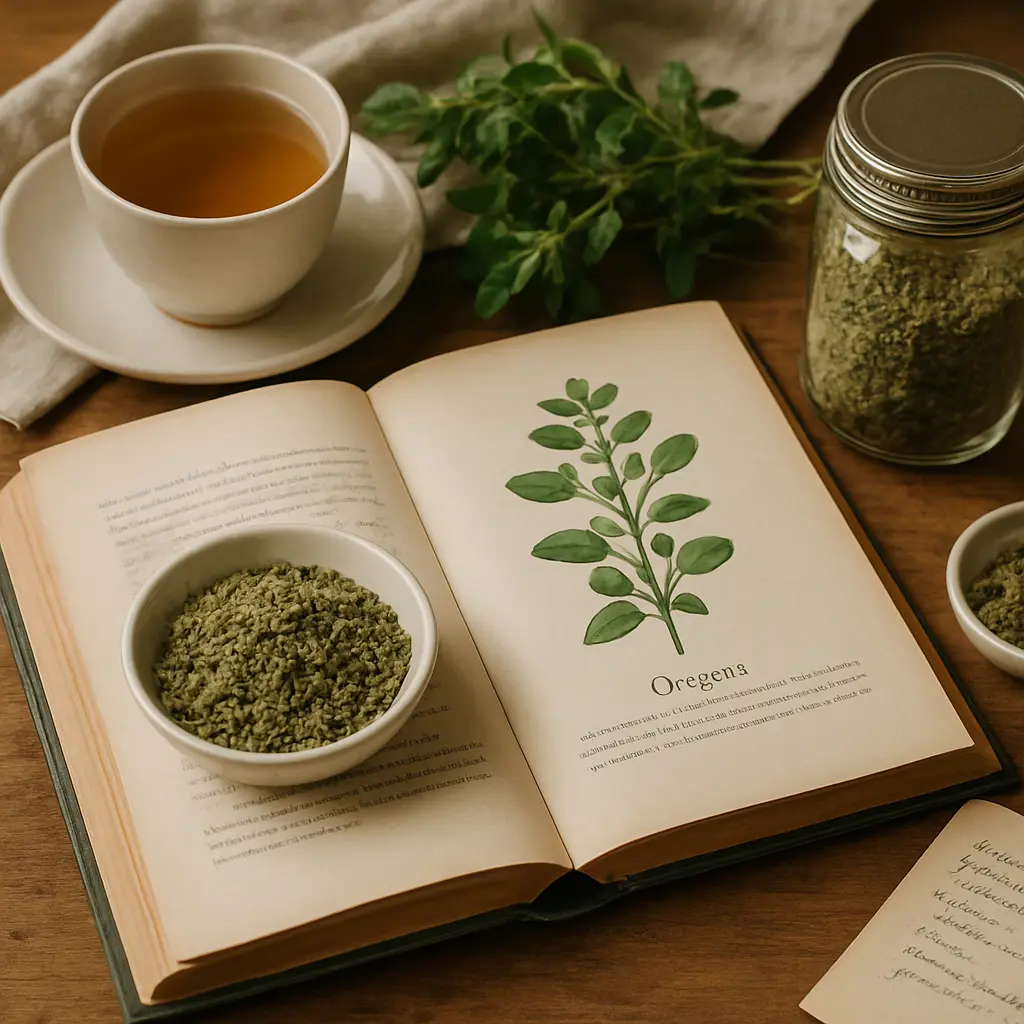
Oregano, scientifically known as Origanum vulgare L., is a perennial herb native to Europe, the Mediterranean regions, and Western Asia. It’s a member of the mint family (Lamiaceae) and is widely recognized for its aromatic and flavorful leaves, which are commonly used in various culinary traditions around the globe. Beyond its culinary applications, oregano is valued for its potential health benefits, primarily due to its rich content of essential oils and phenolic compounds. In this article, we delve into the nutritional properties, culinary uses, and health benefits of oregano, supported by scientific insights.

Scientific Background and General Context
Oregano has a long history of utilization in traditional medicine and cuisine, dating back to ancient Greek and Roman times. Its popularity as a medicinal herb can be attributed to its essential oils, such as carvacrol and thymol, known for their antimicrobial and antioxidant properties. The plant is typically found in dry, sunny regions, thriving in well-drained, limestone soils. Oregano’s resilience to varying environmental conditions allows it to grow both in the wild and in cultivated gardens across different continents.The plant itself grows up to about 31.5 inches, with stems that are often reddish-brown and hairy. The leaves are small, oval-shaped, and have a rough texture due to the presence of tiny hairs. Oregano flowers are small, bilabiate, and clustered at the stem’s end, displaying colors ranging from pinkish-purple to white or light purple.

Nutritional Profile of Oregano
Despite being primarily used as a spice, oregano contains several bioactive compounds that contribute to its nutritional and medicinal value. The intense aroma and slightly pungent taste of oregano are a result of its essential oils, particularly carvacrol and thymol. When dried, oregano’s aroma becomes more pronounced, making it a preferred choice in the food industry.However, from a nutritional standpoint, oregano’s contribution to the diet is modest. It provides some vitamins and minerals, including vitamin C, calcium, and potassium, but the quantities are negligible due to the small amounts typically used in cooking. Nonetheless, these components, combined with its antioxidant properties, play a role in promoting health and wellness.
Oregano’s Nutritional Composition
Although oregano is not typically consumed in large amounts, understanding its nutritional makeup can offer insights into its health benefits:
| Component | Content (per 100 g dried oregano) |
|---|---|
| Energy | 250–310 kcal |
| Protein | 5–10 g |
| Fat | 4–6 g |
| Carbohydrates | 50-60 g |
Daily Use and Lifestyle Applications
Oregano is a staple in many culinary traditions, valued for its ability to enhance the flavor profile of dishes. Its versatility allows it to be paired with a variety of other herbs and spices, making it a key component in numerous seasoning blends and marinades.
Culinary Applications
Oregano is an essential ingredient in Italian, Greek, Turkish, and Middle Eastern cuisines. In Italy, it is a classic topping for pizzas, tomato-based sauces, and pasta dishes. Greeks use oregano to season grilled meats, salads, and feta cheese. In the Middle East, it is a vital element of za’atar, a spice blend used to flavor bread, hummus, and vegetables.The herb is available in both fresh and dried forms, but dried oregano is often favored due to its concentrated flavor. It pairs well with other herbs such as basil, rosemary, and thyme, and complements ingredients like garlic and onion, enabling the creation of diverse flavor profiles.
Health Benefits of Oregano
The potential health benefits of oregano are primarily linked to its rich content of bioactive compounds. Research has shown that these compounds may contribute to various health-promoting effects.
Cholesterol Management
Oregano has been studied for its impact on lipid profiles. Evidence suggests that oregano may help improve cholesterol levels by reducing total cholesterol and low-density lipoprotein (LDL) levels while increasing high-density lipoprotein (HDL) levels. These effects are more pronounced with short-term supplementation, particularly in individuals with conditions like diabetes, hypercholesterolemia, and obesity.
Anti-inflammatory Properties
The anti-inflammatory properties of oregano are also notable. Studies involving individuals engaged in high-intensity physical activity, such as soldiers, have indicated that oregano supplementation can reduce markers of inflammation, potentially aiding in muscle recovery and reducing soreness.
Respiratory Health
Oregano may also support respiratory health. Some studies have evaluated its effects on sinus infections and upper respiratory tract infections, suggesting that oregano might help alleviate symptoms and enhance the quality of life for patients. However, the evidence is of low certainty and further research is warranted.
Antimicrobial Effects
Oregano’s essential oil exhibits significant antifungal activity, effective against fungi like Candida, Aspergillus, and Penicillium species. This is largely attributed to carvacrol, thymol, and other compounds, which can inhibit the growth of drug-resistant pathogens. This property highlights oregano’s potential as a natural antimicrobial agent.
Balanced Perspective and Safety
While oregano offers several potential health benefits, it is important to approach its use with balance. Consuming oregano as part of a varied diet is generally safe for most people. However, excessive use of oregano oil or supplements could lead to adverse effects, such as stomach upset or allergic reactions. It is advisable to consult a healthcare professional before starting any new supplement regimen, especially for individuals with pre-existing conditions or those on medication.In conclusion, oregano is more than just a culinary herb. Its rich blend of essential oils and phenolic compounds provides a range of potential health benefits. While its nutritional contribution to the diet is minimal given typical consumption levels, its aromatic properties and potential health benefits make it a valuable addition to both the kitchen and the medicine cabinet. As always, moderation and a balanced approach to its use are key to maximizing its benefits while minimizing risks.