The Health Benefits and Uses of Fennel (Foeniculum vulgare)
In this page
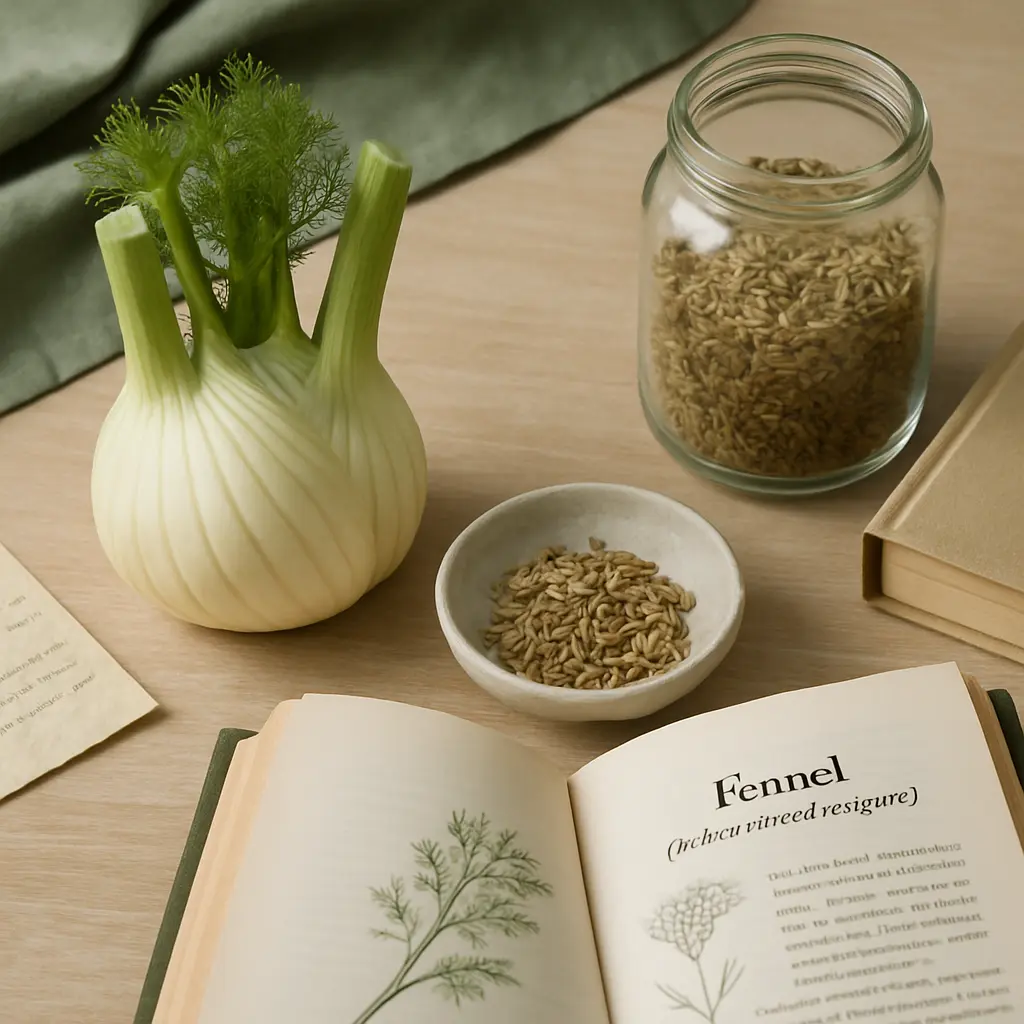
Fennel (Foeniculum vulgare) is a versatile plant with a long history of culinary and medicinal use. Known for its distinctive aroma and flavor, fennel has been a staple in various cultures throughout history. This article explores the botanical characteristics of fennel, its nutritional and therapeutic properties, and its applications in daily life. We will also discuss the scientific context and how fennel can be integrated into a healthy lifestyle.
Scientific Background and General Context
Fennel belongs to the Apiaceae family, which also includes carrots and celery. It is native to the Mediterranean region but has adapted well to various climates worldwide. Fennel is a perennial herb that can grow up to 6 feet tall, characterized by its feathery leaves and yellow flowers. The plant’s bulbs, leaves, and seeds are used in culinary and medicinal contexts.Fennel’s essential oil contains compounds such as anethole, estragole, and fenchone, which contribute to its unique flavor and aroma. These compounds have been studied for their potential health benefits, including antioxidant, anti-inflammatory, and antimicrobial properties.
Botanical Characteristics of Fennel
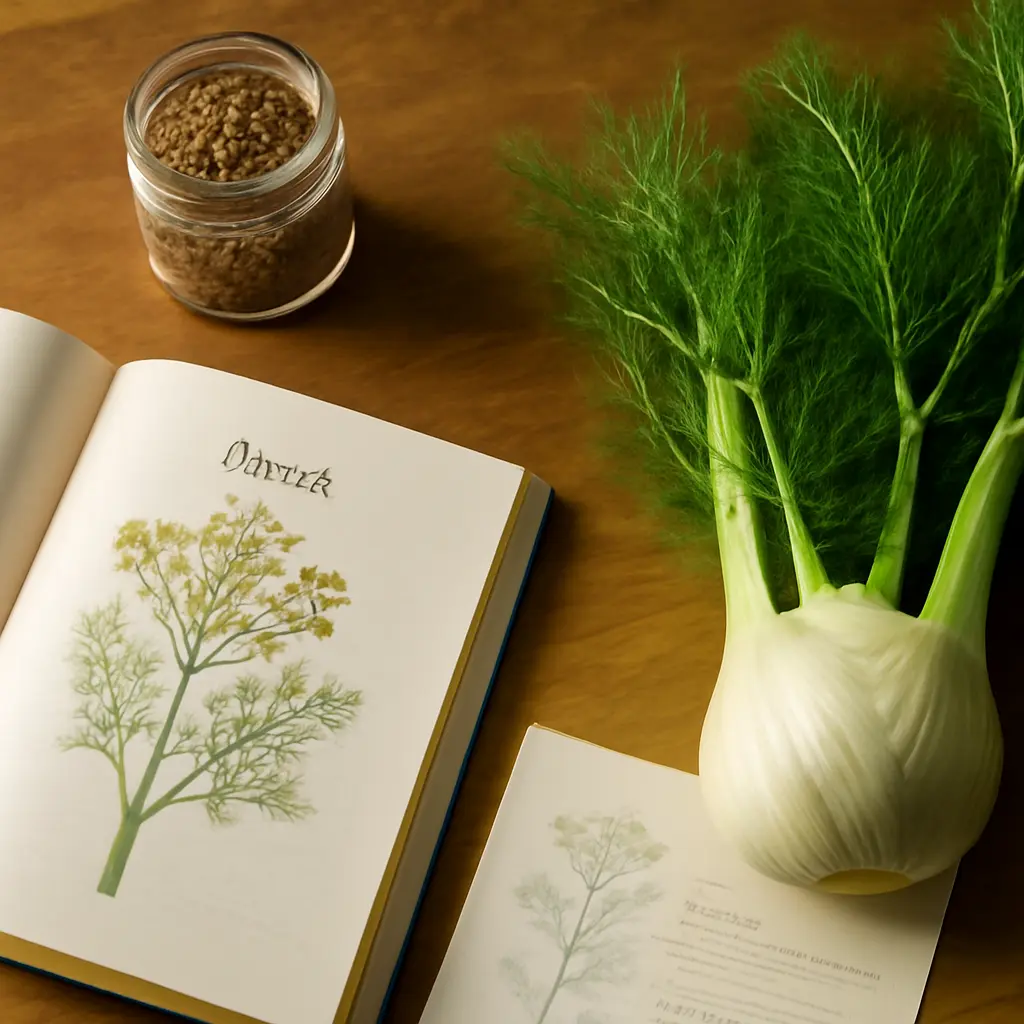
Fennel thrives in warm climates and can be found in southern Europe, northern Africa, and parts of Asia. It has spread to North America, India, and East Asia, where it is cultivated for culinary and medicinal purposes.The plant is noted for its bushy, branched stems and finely divided, thread-like leaves, similar to those of dill. Fennel produces small, yellow flowers that form clusters, typical of the Apiaceae family. The seeds, technically split fruits, are rich in aromatic compounds and are widely used in various cultural cuisines and traditional remedies.
Fennel Bulbs, Leaves, and Seeds
Fennel is commonly consumed as a vegetable, with its bulbous stem base often used in salads and cooked dishes. The leaves, more aromatic than the bulbs, are typically used to flavor soups, sauces, and seafood dishes. Fennel seeds are popular in baked goods, spice mixes, and teas. In some cultures, they are chewed after meals to freshen breath.
Nutritional Profile and Health Benefits
Fennel is a rich source of dietary fiber, vitamin C, potassium, and manganese. It also contains a variety of phytonutrients, including flavonoids, phenolic acids, and coumarins. These nutrients collectively contribute to fennel’s health-enhancing properties.
Antioxidant and Anti-inflammatory Properties
Fennel’s essential oil and seeds contain high levels of anethole, a compound known for its antioxidant and anti-inflammatory effects. Antioxidants help neutralize free radicals in the body, reducing oxidative stress and lowering the risk of chronic diseases. The anti-inflammatory properties may assist in managing conditions such as arthritis and inflammatory bowel disease.
Digestive Health
Fennel is traditionally used to aid digestion, alleviate bloating, and reduce gas. The plant’s fiber content supports a healthy digestive tract by promoting regular bowel movements and preventing constipation. The essential oils in fennel seeds may stimulate gastric secretions and improve nutrient absorption.
Women’s Health
Fennel has a history of use in managing symptoms related to women’s health. Its phytoestrogen content makes it beneficial for alleviating menopausal symptoms, such as hot flashes and vaginal dryness. Research has suggested that fennel may also help regulate menstrual cycles and reduce the severity of menstrual cramps.
Daily Use and Lifestyle Applications
Incorporating fennel into daily life can be beneficial for both health and culinary purposes.
Culinary Uses
Fennel’s versatility makes it a popular ingredient in many cuisines. The bulb can be sliced raw into salads for a crunchy texture, or it can be roasted, grilled, or sautéed to add depth to dishes. Fennel leaves are often used as a garnish or seasoning in Italian and French cooking. The seeds are integral to spice blends like Indian “panch phoron” and are also used in baking and pickling.
Herbal Teas and Remedies
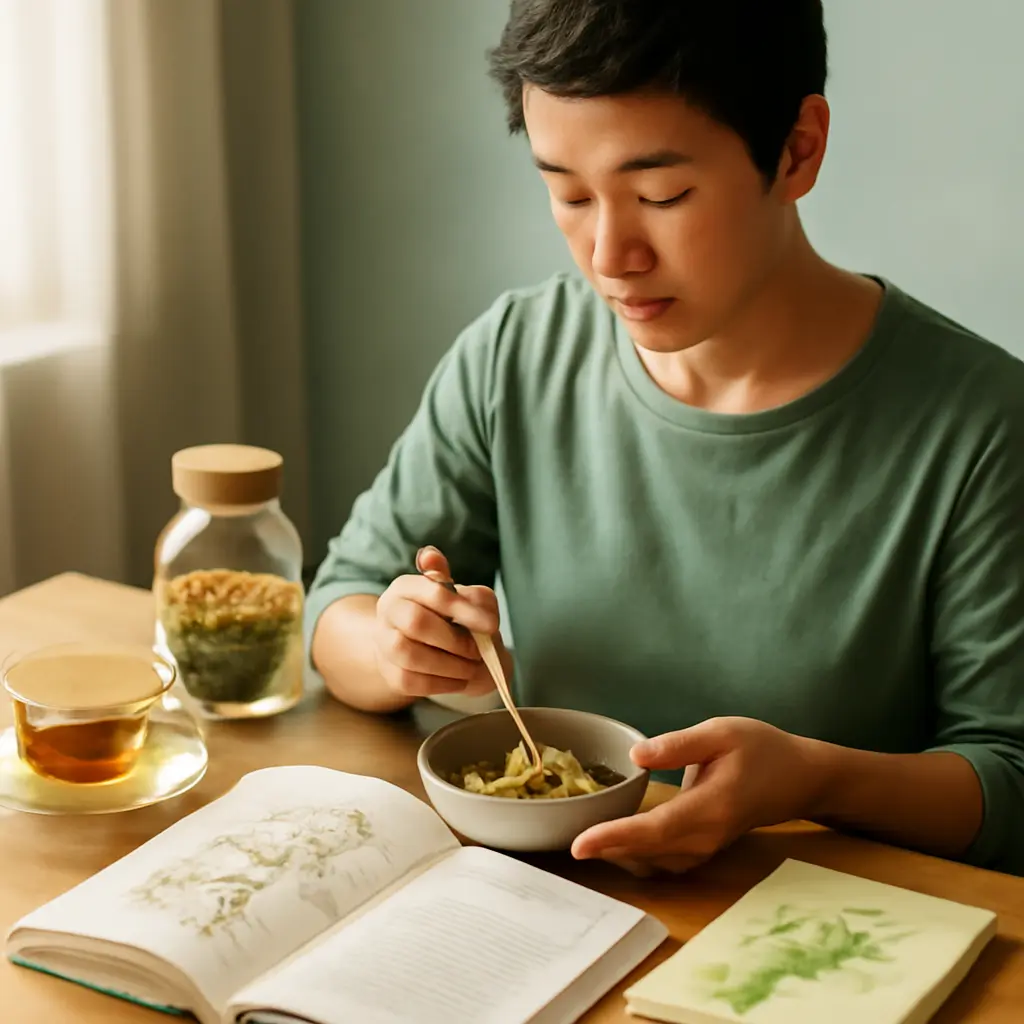
Fennel tea is a popular herbal remedy for digestive issues and can be easily made by steeping crushed seeds in hot water. Drinking fennel tea may help alleviate bloating, cramps, and other gastrointestinal discomforts. It is also thought to have a calming effect, which can promote relaxation and aid sleep.
Natural Breath Freshener
In some cultures, fennel seeds are chewed after meals to freshen breath. This practice takes advantage of fennel’s aromatic compounds, which can help neutralize odors and promote oral health.
Balanced Perspective and Safety
While fennel offers numerous health benefits, it is essential to approach its use responsibly.
Potential Allergies and Interactions
Fennel is generally safe for most people when consumed in moderation. However, those with allergies to other plants in the Apiaceae family, such as celery or carrots, should exercise caution. Additionally, fennel may interact with certain medications, such as blood thinners, due to its potential effect on blood clotting. It is always advisable to consult with a healthcare provider before incorporating significant amounts of fennel into the diet, especially for individuals on medication or those with underlying health conditions.
Safe Use During Pregnancy
Pregnant women should be cautious with fennel consumption, particularly in the form of concentrated supplements, due to its phytoestrogen content. While culinary use is generally safe, high doses could potentially affect hormonal balance.
Environmental and Sustainability Considerations
Fennel cultivation can be environmentally sustainable when managed appropriately. It grows well in warm climates with moderate water use, making it a relatively low-impact crop. Supporting organic and local fennel production can further enhance its environmental benefits.In conclusion, fennel is a valuable plant with a rich history and diverse applications in both culinary and medicinal contexts. Its beneficial properties make it a worthwhile addition to a healthy lifestyle. As with any natural remedy, it is crucial to use fennel wisely and consult with healthcare professionals when necessary to ensure safety and efficacy.