

The Sweet Truth About Xylitol: A Healthier Sugar Alternative
In this page
Xylitol, often dubbed “birch sugar,” is emerging as a popular natural sweetener that offers a healthier alternative to traditional table sugar. Its low-calorie content and potential health benefits make it an attractive option for those managing their diet and diabetes. In this article, we will explore what xylitol is, its unique properties, benefits, and potential applications in daily life.

Scientific Background and General Context
Xylitol is a type of sugar alcohol, scientifically known as a polyol. Naturally found in small amounts in fruits, vegetables, and trees like birch, it’s commonly extracted for commercial use from birch bark or corn. This production method allows xylitol to serve as a mass-produced sugar alternative. Unlike table sugar, which can cause rapid spikes in blood glucose levels, xylitol has a low glycemic index, making it a safer option for diabetics.
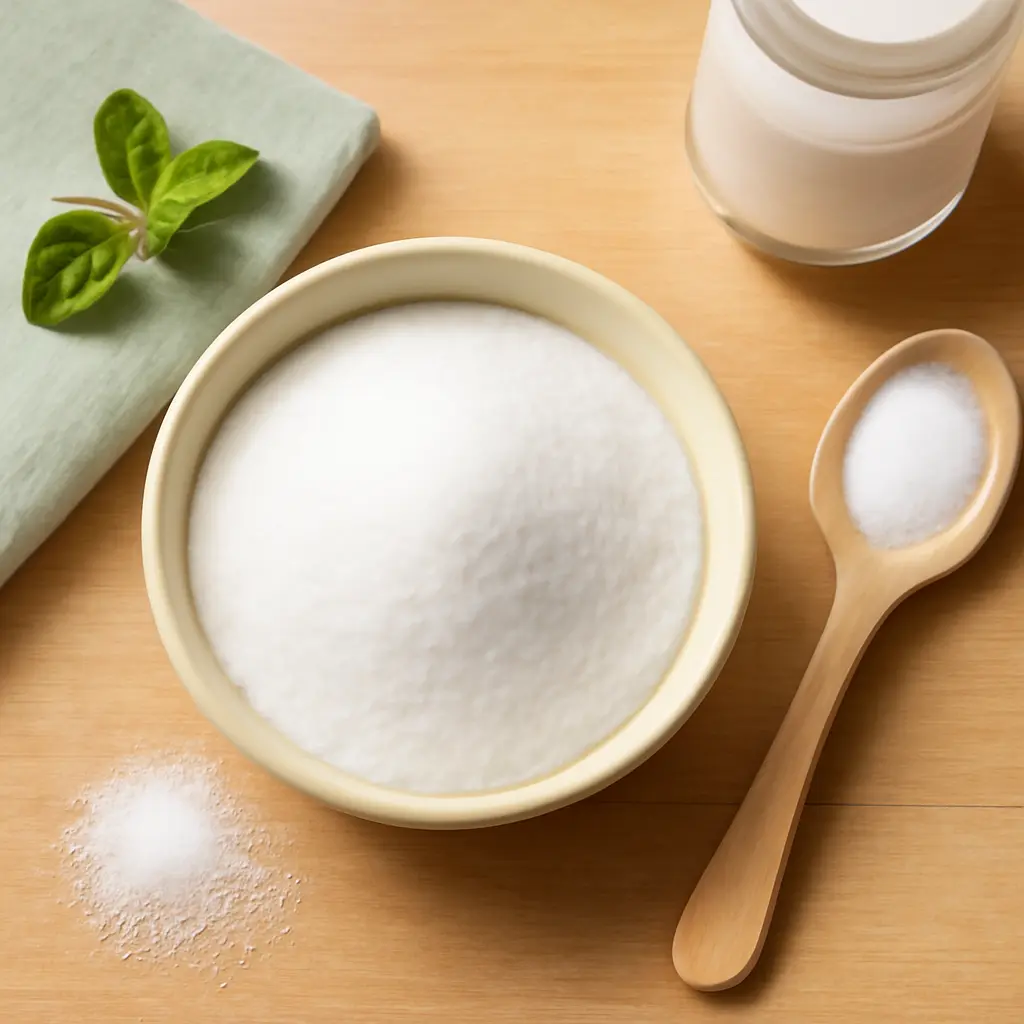
The Properties of Xylitol
Low Glycemic Index
One of xylitol’s most significant properties is its low glycemic index, ranging from 7 to 13, compared to table sugar, which ranges from 60 to 65. This means xylitol does not cause substantial increases in blood sugar levels, making it ideal for individuals with insulin resistance or diabetes.
Reduced Caloric Content
Xylitol provides about 2.4 calories per gram, nearly half the calories found in regular sugar. This characteristic makes it a valuable choice for those monitoring their caloric intake or aiming to lose weight while still enjoying sweet flavors.
Dental Benefits
One of the intriguing aspects of xylitol is its ability to reduce the risk of dental cavities. The bacteria responsible for tooth decay, such as Streptococcus mutans, cannot metabolize xylitol, disrupting the fermentation process in the mouth. This property helps prevent acid production and strengthens tooth enamel.
Prebiotic Effects
Xylitol may support the growth of beneficial gut bacteria. Consuming small amounts can act as a prebiotic, promoting a healthy gut flora. However, excessive intake may have a laxative effect, so it’s advisable to limit consumption to around 10-20 grams per day.
Antibacterial Properties
Research suggests that xylitol has antibacterial properties that can support respiratory health. It may help reduce the incidence of middle ear infections in children and curb the proliferation of certain pathogens.
Xylitol vs. Sugar: A Comparative Look
Compared to sugar, xylitol offers several advantages. Beyond its lower glycemic index and caloric content, xylitol’s dental benefits and potential to aid gut health make it a superior choice for those looking to reduce sugar intake without sacrificing sweetness. Additionally, xylitol’s impact on blood sugar levels is minimal, offering greater flexibility for those managing diabetes.
Benefits of Using Xylitol
Oral Health Protection
Xylitol is frequently found in dental products like toothpastes and chewing gums due to its cavity-fighting properties. Regular use of xylitol-containing products can decrease oral bacteria and plaque formation, contributing to better oral hygiene.
Support for Diabetics
With its low glycemic index, xylitol serves as a viable sweetener choice for individuals with diabetes. Replacing sugar with xylitol can help in maintaining more stable blood glucose levels, which is critical for diabetics.
Aiding Weight Loss
Due to its lower calorie count, xylitol can be an effective tool for those aiming to reduce calorie intake without forgoing sweet flavors. Its use in low-calorie diets can facilitate fat loss by reducing overall caloric consumption.
Interesting Facts About Xylitol
Xylitol is not just a man-made product; it naturally occurs in some fruits, like berries and pears. This natural presence highlights its credibility as a sweetener. While xylitol is generally safe for human consumption, it is highly toxic to pets, particularly dogs, and can cause serious health issues, including hypoglycemia.
Myths and Facts About Xylitol
Myth: Xylitol is an artificial sweetener and is less healthy than natural products.
Fact: Xylitol is a naturally occurring sugar alcohol present in fruits. Its natural origins do not diminish its value as a sugar substitute.
Myth: Xylitol has no side effects.
Fact: While xylitol is generally safe, excessive consumption can lead to gastrointestinal issues, such as diarrhea, especially in large doses.
Myth: Xylitol is toxic to humans.
Fact: Xylitol is safe for human consumption but should be kept away from pets, especially dogs, for whom it is highly toxic.
Daily Use and Lifestyle Applications
Xylitol can be used in a variety of culinary applications, including beverages, desserts, and some baked goods. Its unique cooling effect makes it especially suitable for frozen desserts and chewing gums. Despite its versatility, caution should be exercised when storing xylitol around pets, particularly dogs, due to its toxicity to them.
Balanced Perspective and Safety
Generally, xylitol is safe for human consumption when used in moderation. Adults are advised to limit daily intake to 20 grams, while children should consume even less. Individuals sensitive to sugar alcohols may experience digestive discomfort, such as bloating or diarrhea, from excessive xylitol consumption. It is essential to introduce xylitol into the diet gradually to gauge personal tolerance.
Conclusion
Xylitol emerges as a promising natural sweetener, offering a healthier alternative to traditional sugar. Its cavity-fighting properties and low glycemic index make it beneficial for both diabetics and those watching their weight. Incorporating xylitol, particularly in oral hygiene products, can enhance dental health while reducing caloric intake. Though generally safe, xylitol must be consumed responsibly, especially considering its toxic effects on pets. By understanding its benefits and limitations, xylitol can be an excellent addition to a balanced, health-conscious diet.


