
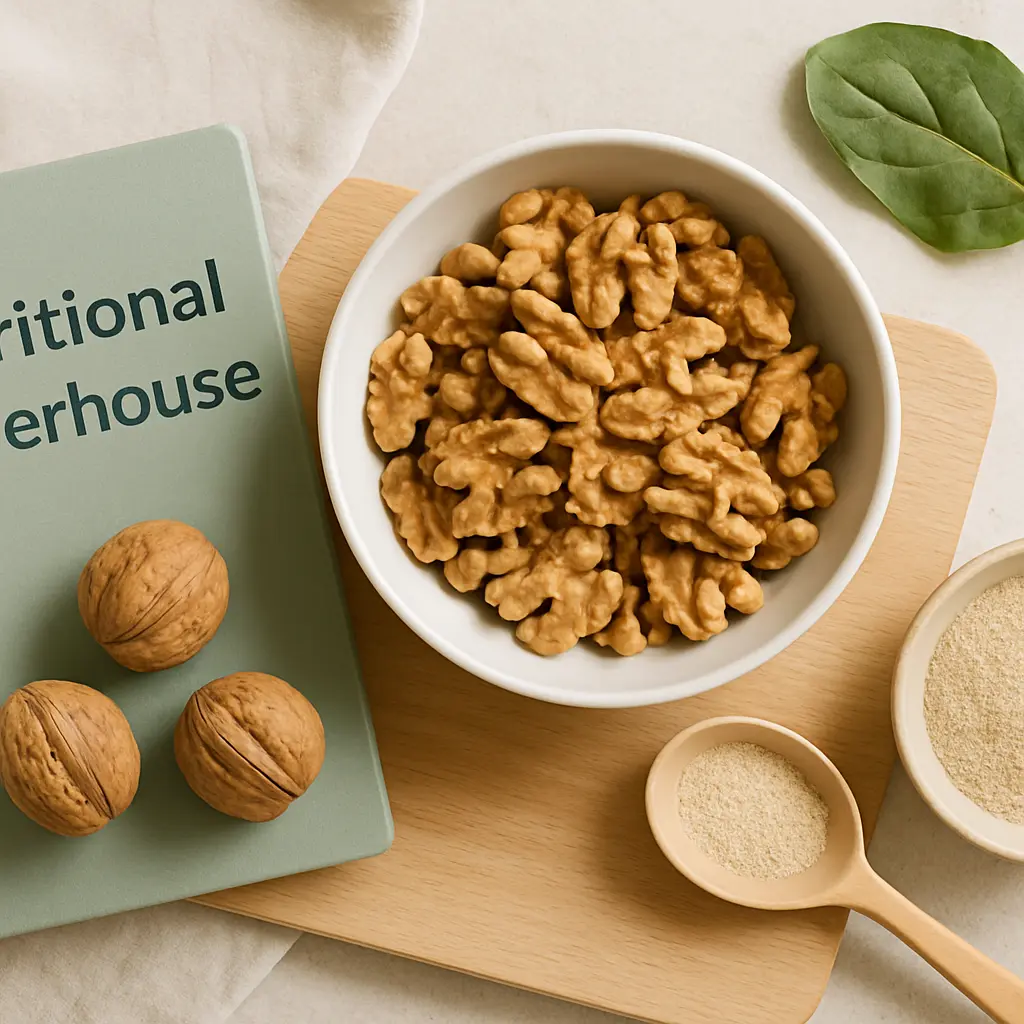
The Nutritional Powerhouse: Exploring the Health Benefits of Walnuts
In this page
Walnuts have been a staple in diets around the world for centuries, especially in Central Europe. Known for their rich nutritional profile and versatility in cooking, walnuts are often celebrated as one of the healthiest nuts available. Their unique shape, reminiscent of the human brain, has sparked interest in their potential cognitive benefits. Beyond this, walnuts are also lauded for their heart and digestive health benefits. This article delves into the various aspects of walnuts, from their nutritional value to their culinary uses, and evaluates the scientific background behind their health benefits.

Scientific Background and General Context
Walnuts, scientifically known as *Juglans regia*, thrive in temperate climates and are predominantly cultivated in regions like the United States (particularly California), China, Iran, and Turkey. These areas account for the bulk of global walnut production. In Central Europe, walnuts are grown both commercially and in small family orchards. Harvesting occurs in the fall when the husk splits open, releasing the nut encased in a hard shell. Proper drying techniques are essential to extend the shelf life and preserve the nutritional properties of walnuts.Walnuts are rich in bioactive compounds, including polyunsaturated fats, proteins, vitamins, and minerals, which have been linked to various health benefits. Their historical use in traditional diets underscores their importance, while modern research continues to uncover the underlying health mechanisms.

Nutritional Value of Walnuts
Walnuts are celebrated for their high nutritional content. They pack approximately 654 calories per 100 grams, primarily due to their high-fat content. These fats are mostly polyunsaturated, including alpha-linolenic acid (ALA), an essential omega-3 fatty acid. Approximately 65% of a walnut’s weight is fat, while protein and carbohydrates account for about 15.2% and 13.7%, respectively. Notably, walnuts contain dietary fiber (about 6.7 grams per 100 grams), contributing to their low glycemic index.
Essential Vitamins and Minerals
Walnuts are a powerhouse of essential vitamins and minerals. They are rich in manganese, copper, magnesium, and vitamin B6. Manganese (3.4 mg per 100 grams) and copper (1.6 mg) play critical roles in metabolism and bone health. Magnesium (158 mg) supports nerve function and muscle health. Vitamin B6 (0.54 mg) is vital for neurotransmitter synthesis and amino acid metabolism, potentially benefiting cognitive functions.
Antioxidant Properties
The antioxidant content in walnuts, including polyphenols and tocopherols, contributes to their potential neuroprotective effects. These antioxidants help combat oxidative stress and may play a role in reducing the risk of neurodegenerative diseases.
Daily Use and Lifestyle Applications
Incorporating walnuts into the daily diet can be both enjoyable and beneficial. Their versatility makes them a perfect addition to various dishes. They are commonly used in baked goods, such as breads, cakes, and pastries. Beyond sweets, walnuts enhance the flavor and nutritional value of salads, cereals, and yogurt.
Walnuts in Plant-Based Diets
For those following plant-based diets, walnuts serve as an excellent source of essential nutrients. They can be used to make nut butters, vegan sauces, and plant-based cheeses. Walnut oil, with its rich omega-3 content and aromatic flavor, is a popular choice for salads and Mediterranean-inspired dishes.
Heart Health and Digestion
Regular walnut consumption has been linked to improved heart health. Their high content of omega-3 fatty acids helps reduce inflammation and improve lipid profiles. The fiber in walnuts aids digestion and supports a healthy gut microbiome, contributing to overall digestive health.
Balanced Perspective and Safety
While walnuts offer numerous health benefits, moderation is key due to their high calorie content. Overconsumption may lead to weight gain, especially if not balanced with physical activity. Additionally, individuals with nut allergies should avoid walnuts to prevent allergic reactions.
Potential Cognitive Benefits
Walnuts have garnered attention for their potential cognitive benefits. The combination of omega-3 fatty acids, vitamin B6, and antioxidants may support brain health. However, while promising, these benefits should be viewed as part of a balanced diet and healthy lifestyle.
General Safety Considerations
Walnuts are generally safe for most individuals. However, those with specific dietary restrictions or conditions should consult healthcare providers before making significant dietary changes. It’s crucial to ensure that walnuts are stored properly to avoid rancidity, which can compromise their nutritional value.
Conclusion
Walnuts are a nutritional powerhouse, offering a range of health benefits supported by scientific research. Their rich composition of essential fats, proteins, vitamins, and minerals makes them an excellent choice for enhancing diets. From supporting heart and brain health to providing culinary versatility, walnuts are a valuable addition to a balanced lifestyle. As with any food, moderation is essential to maximize their benefits while minimizing potential drawbacks.


