
The Nutritional and Health Benefits of Chlorella: A Comprehensive Guide
In this page
Chlorella, a single-celled green alga, is gaining recognition for its nutritional and health benefits. Often categorized as a microalga, chlorella thrives in both saltwater and freshwater environments. It is not only a powerhouse of essential nutrients but also plays a significant role in supporting various bodily functions. This article delves into the multifaceted benefits of chlorella, exploring its rich nutritional profile, potential health advantages, and applications in daily life.

Scientific Background and General Context
Chlorella was first studied in the early 20th century, with a focus on its potential as a sustainable food source due to its fast growth and high nutrient content. Microalgae like chlorella possess chloroplasts, allowing them to perform photosynthesis similar to plants. This photosynthetic ability makes chlorella a sustainable option for biomass production, contributing to its use in the food, pharmaceutical, and cosmetics industries.Researchers have examined chlorella’s dietary and health benefits since the 1950s. It is known for its high protein content, rich array of vitamins and minerals, and biologically active compounds that can act similarly to medications in supporting health.

Nutritional Profile: A Powerhouse of Protein
Chlorella is renowned for its exceptionally high protein content, comprising approximately 60% of its dry weight. This is nearly double the protein content found in soy, a staple plant-based protein source. Moreover, chlorella boasts a comprehensive amino acid profile, containing all the essential amino acids necessary for human health. This makes it a valuable protein source, particularly for those following vegetarian or vegan diets.The quality of protein is often assessed using the Essential Amino Acid Index (EAAI), which evaluates the balance of essential amino acids. Chlorella’s EAAI score of 1.35 significantly surpasses that of soy protein, which has a score of 0.66. This indicates that chlorella provides a more balanced and complete protein source, beneficial for muscle repair, growth, and overall health maintenance.
Vitamins and Minerals: Beyond Basic Nutrition
Chlorella is also a rich source of several micronutrients that can be challenging to obtain from plant foods alone. Among these are vitamin D, vitamin B12, and iron. Vitamin D is crucial for bone health and immune function, while vitamin B12 is essential for neurological function and blood formation. Iron is vital for oxygen transport in the blood and energy production.For instance, just 7 grams of dried chlorella can provide an adult’s daily requirement of vitamin D, emphasizing its role as a valuable dietary supplement for individuals with limited sun exposure or those following a vegan diet.
Chlorella’s Pigments: Harnessing Nature’s Colors
Chlorella is rich in plant pigments, including carotenoids like lutein, zeaxanthin, and chlorophyll, which constitute about 3-5% of its mass. These pigments are known for their antioxidant properties, which help combat oxidative stress and inflammation in the body. The high chlorophyll content in chlorella is particularly noteworthy, as it has the highest recorded level among all algae and plants studied.Antioxidants play a crucial role in protecting cells from damage and may support skin health, eye health, and overall well-being by reducing the risk of chronic diseases.
Heart Health: Supporting Cardiovascular Function
Studies have explored the relationship between chlorella consumption and cardiovascular health, revealing several promising benefits. Chlorella has been found to lower blood sugar levels, triglycerides, and both total and LDL cholesterol. Additionally, it helps reduce systolic and diastolic blood pressure and improves arterial flexibility, which are crucial factors in maintaining a healthy heart and reducing the risk of cardiovascular diseases.
Blood Sugar Regulation: Aiding in Diabetes Management
Research involving animal models has shown that chlorella supports healthy blood sugar levels by enhancing glucose uptake in the liver and skeletal muscles without relying on insulin. This indicates that chlorella may help prevent complications associated with diabetes, such as cataracts, due to its antioxidant-rich profile.In a study with human participants diagnosed with prediabetes, those treated with chlorella (8 grams per day) experienced lower markers of insulin resistance and inflammation compared to those given a placebo. This suggests that chlorella may be an effective supplement for managing blood sugar levels and reducing the risk of diabetes-related issues.
Liver Health: Supporting Detoxification and Function
Chlorella’s potential benefits extend to liver health, particularly for individuals with non-alcoholic fatty liver disease (NAFLD), a condition affecting a significant portion of the population. In a study involving NAFLD patients, those who took chlorella supplements experienced a reduction in body weight and liver enzyme levels compared to the placebo group. These findings suggest that chlorella supplementation may aid in weight management and liver function improvement.Furthermore, in individuals with chronic hepatitis C, chlorella supplementation led to a significant decrease in liver enzyme levels, indicating its potential role in supporting liver health and reducing viral load.
Immune Support: Enhancing the Body’s Defense
Chlorella has been studied for its effects on immune function, with results indicating enhanced immune responses. In one study, participants receiving chlorella supplements showed an increased antibody response to the flu vaccine, especially among those aged 50-55 years.Additionally, chlorella has been shown to increase the levels of salivary secretory immunoglobulin A (SIgA), an important component of the immune system that defends against pathogens. Participants taking chlorella exhibited higher SIgA levels compared to those taking a placebo, demonstrating chlorella’s potential in bolstering the body’s first line of defense.
Cancer Research: Potential Anti-Cancer Properties
Scientific literature suggests that chlorella extracts possess anti-cancer properties. Studies have shown that chlorella can inhibit the proliferation of human liver cancer cells and suppress the growth of colon cancer cells, particularly through the action of carotenoid compounds. Additionally, specific bioactive proteins unique to chlorella have been isolated and characterized for their potential anti-cancer effects.While more research is needed to fully understand chlorella’s role in cancer prevention and treatment, these findings provide a promising avenue for future exploration.
Mood Enhancement: Natural Support for Emotional Well-being
Depression affects a significant portion of the population, and while various antidepressant medications are available, they may not be effective for everyone and can cause adverse effects. Researchers have evaluated chlorella’s impact on mood, noting improvements in both physical and psychological symptoms of depression following supplementation.The potential of chlorella as a mood enhancer offers a complementary approach to conventional treatments, providing a natural option for individuals seeking alternative strategies for managing depression.
Daily Use and Lifestyle Applications
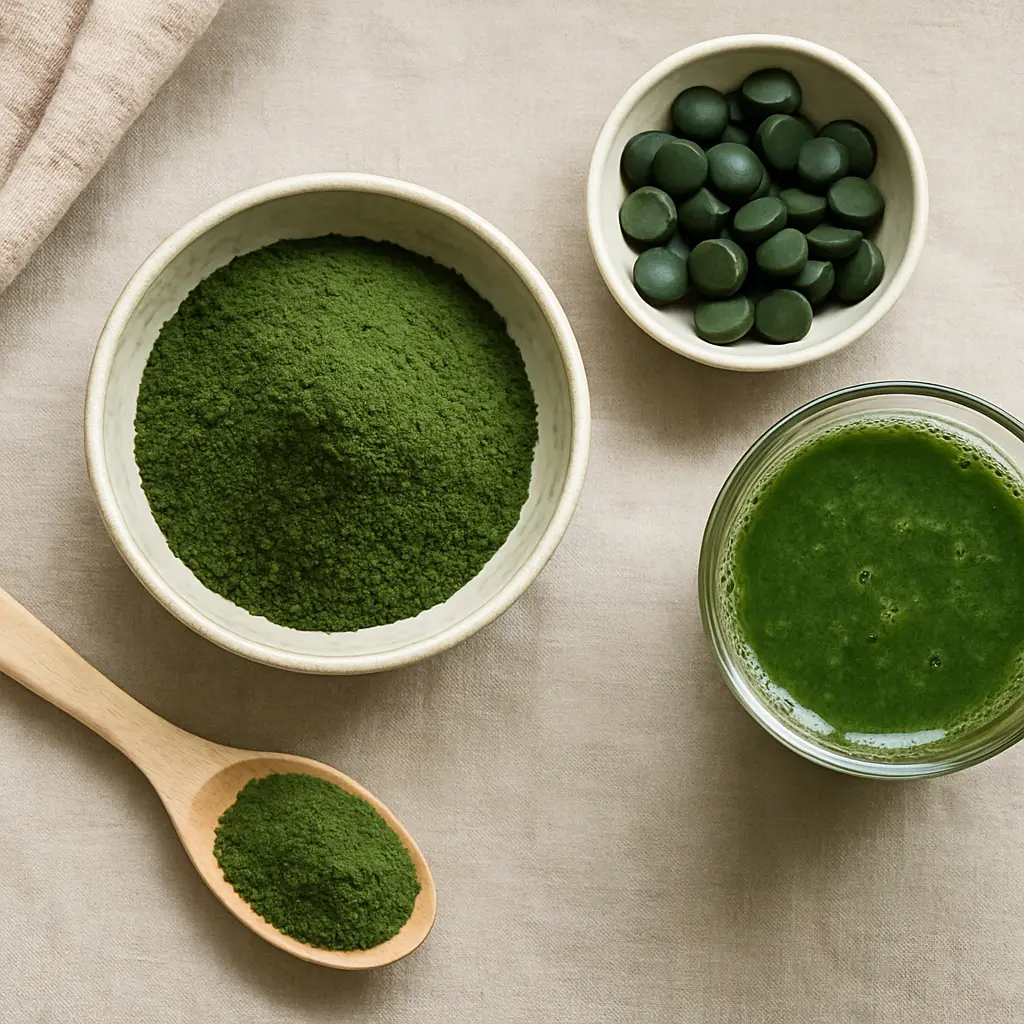
Chlorella can be incorporated into the diet in various forms, including powders, tablets, and capsules. It can be added to smoothies, juices, or meals for a nutritional boost. When considering chlorella supplements, it’s important to choose high-quality products to ensure purity and effectiveness.For those interested in integrating chlorella into their daily routine, starting with a small dosage and gradually increasing it can help the body adjust. Consulting with a healthcare professional is advisable, especially for individuals with specific health conditions or who are pregnant or breastfeeding.
Balanced Perspective and Safety
While chlorella offers numerous potential health benefits, it’s essential to approach its use with a balanced perspective. As with any supplement, individual responses may vary, and chlorella should not be considered a substitute for a varied and balanced diet.Potential side effects of chlorella include digestive discomfort and allergies in some individuals. It’s important to be aware of these possibilities and to discontinue use if adverse reactions occur.In conclusion, chlorella presents a promising addition to a healthy lifestyle, offering a wide array of nutritional and health benefits. Its rich nutrient profile, potential to support immune function, and positive effects on various health parameters make it a valuable consideration for those seeking natural and holistic approaches to well-being.


