
The Health Benefits of EGCG: Exploring Green Tea’s Powerful Antioxidant
In this page
Epigallocatechin gallate, or EGCG, is a compound found in green tea that has been the focus of scientific research due to its potential health benefits. Known for its strong antioxidant properties, EGCG is often celebrated for its role in promoting health and wellness. In this article, we will delve into the structure and function of EGCG, its role as an antioxidant, and its potential applications in daily life, including weight management. We’ll also examine the safety and balanced perspective of incorporating EGCG into a healthy lifestyle.

Scientific Background and General Context
EGCG stands for epigallocatechin gallate, a type of catechin found in green tea. Catechins are a group of flavonoids, which are compounds with antioxidant properties. Antioxidants are critical in neutralizing free radicals, unstable molecules that can cause cellular damage and contribute to chronic diseases and aging. EGCG, in particular, is one of the most potent catechins found in green tea, and its molecular structure allows it to effectively neutralize free radicals.The health benefits associated with green tea have been documented for centuries, with traditional uses ranging from enhancing mental alertness to aiding digestion. Modern science has now confirmed many of these benefits, attributing them primarily to EGCG’s potent antioxidant activity. This compound’s ability to scavenge free radicals makes it a valuable ally in protecting the body from oxidative stress and related health issues.
Molecular Structure and Antioxidant Activity
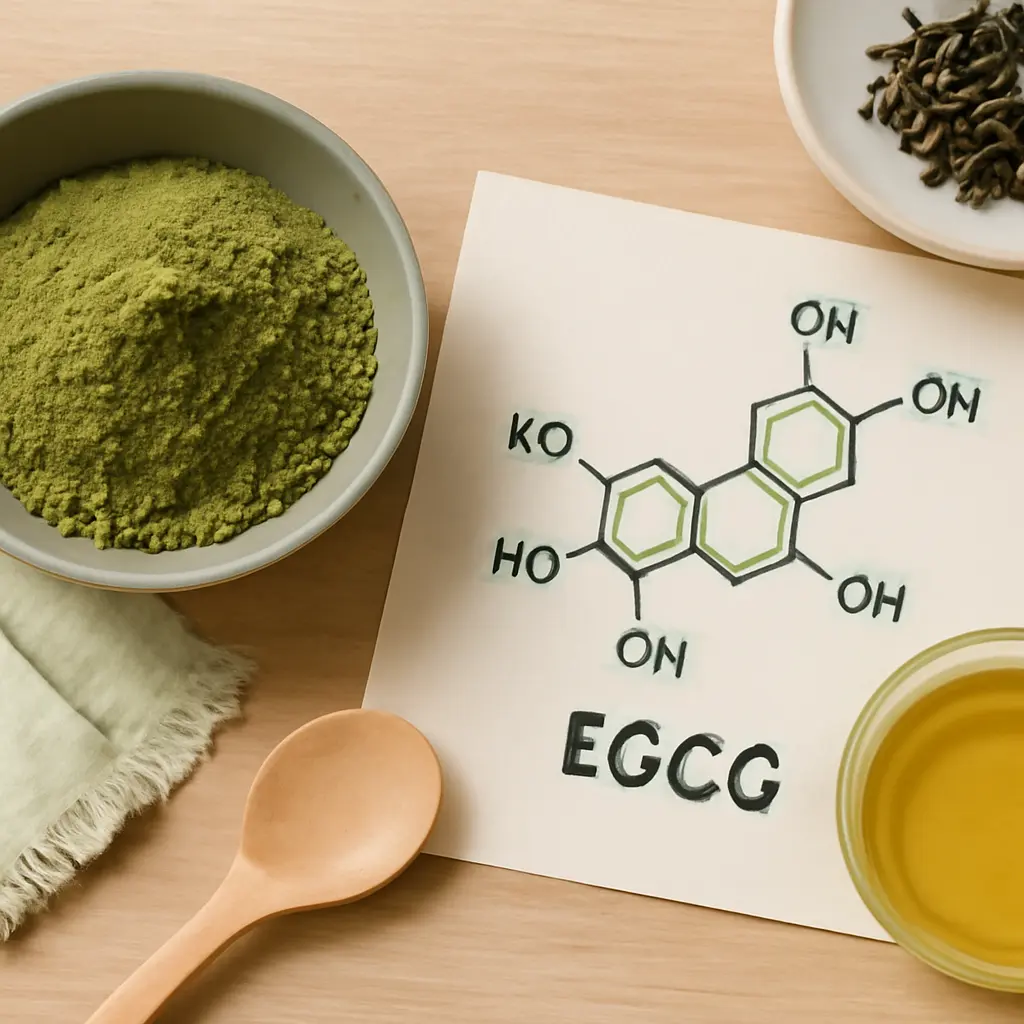
The unique structure of EGCG contributes to its powerful antioxidant properties. EGCG is composed of a gallic acid component and an epigallocatechin component. This structure allows EGCG to have multiple hydroxyl groups, which are responsible for its ability to donate electrons to free radicals, thereby neutralizing them.EGCG’s antioxidant capacity is remarkably high. It is estimated to be about 100 times more effective than vitamin C and 25 times more effective than vitamin E in neutralizing free radicals. This exceptional potency makes EGCG a key player in the human body’s antioxidant defense system, which includes both naturally produced antioxidants and those obtained from dietary sources.
Role and Importance of Antioxidants
Free radicals are byproducts of normal cellular processes, such as metabolism, and also result from external factors like pollution, UV exposure, and smoking. While the body can manage low levels of free radicals, excessive production can overwhelm the body’s natural antioxidant defenses, leading to oxidative stress. This condition is linked to chronic diseases, including cancer, cardiovascular diseases, and neurodegenerative disorders.Antioxidants, like those found in green tea, help mitigate oxidative stress by neutralizing free radicals. This action can prevent cellular damage, reduce inflammation, and lower the risk of chronic diseases. As a major antioxidant, EGCG plays a crucial role in maintaining cellular health and protecting against disease.
Daily Use and Lifestyle Applications
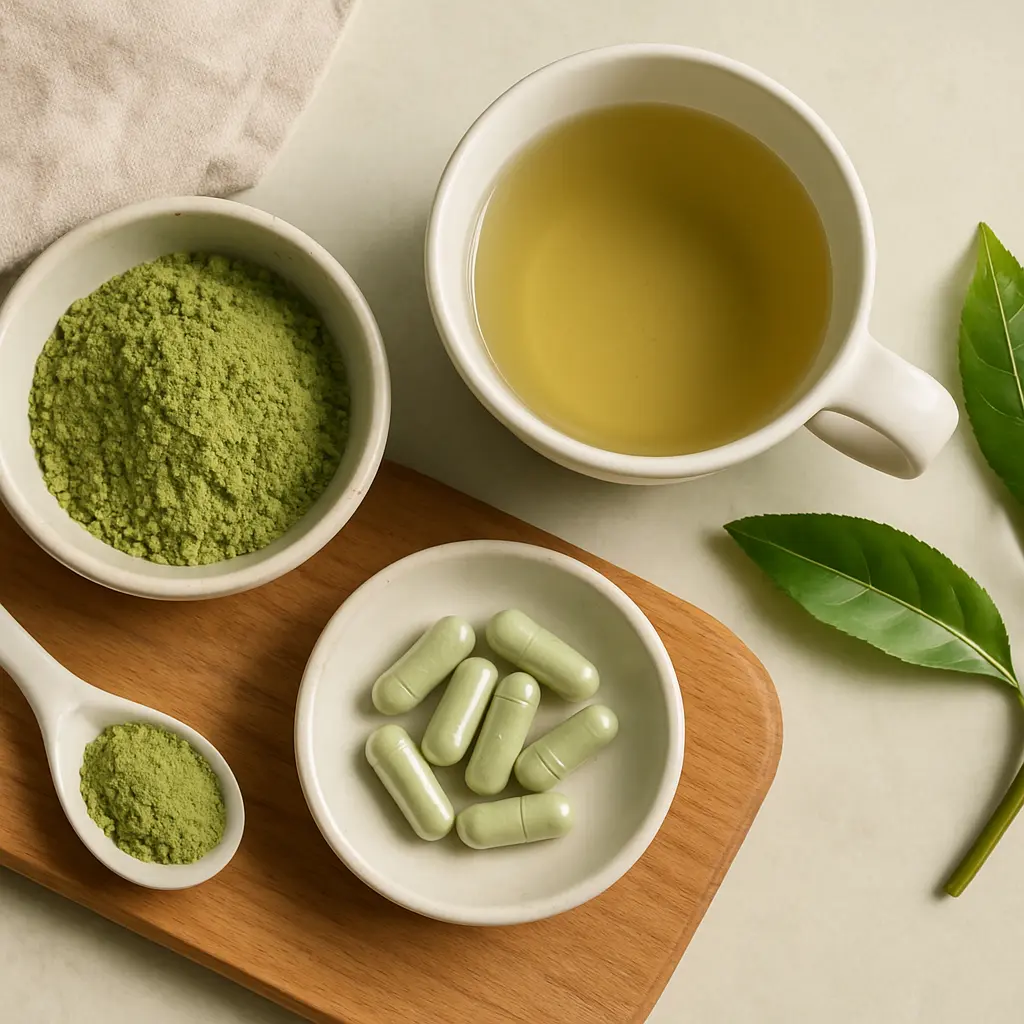
Incorporating EGCG into your daily routine can have several potential health benefits, ranging from enhanced metabolic function to improved heart health. One of the most common ways to consume EGCG is through drinking green tea. However, EGCG is also found in smaller amounts in other foods such as apples, plums, onions, and certain nuts, like hazelnuts and pecans.
Metabolic Health and Weight Management
EGCG is often highlighted for its potential role in weight management. Research suggests that EGCG can aid in weight loss by boosting metabolism and enhancing fat oxidation. This effect is partially attributed to EGCG’s ability to inhibit the enzyme that breaks down norepinephrine, a hormone involved in fat breakdown. By increasing norepinephrine levels, EGCG promotes lipolysis (the breakdown of fat) and thermogenesis (the process of heat production in organisms), which can contribute to weight loss.In addition to its metabolic effects, EGCG may also help regulate blood sugar levels, which is beneficial for individuals with insulin resistance or type 2 diabetes. By improving insulin sensitivity and glucose uptake, EGCG may help manage blood sugar levels more effectively.
Cardiovascular Benefits
EGCG’s antioxidant properties can also contribute to heart health. It helps reduce LDL cholesterol levels, often referred to as “bad” cholesterol, which can decrease the risk of atherosclerosis and other cardiovascular diseases. Additionally, EGCG has been shown to improve endothelial function, which is vital for maintaining vascular health and regulating blood pressure.Regular consumption of green tea, rich in EGCG, is associated with a lower risk of heart disease, as it can help maintain healthy cholesterol levels, reduce inflammation, and improve overall cardiovascular function.
Balanced Perspective and Safety
While the benefits of EGCG are promising, it’s important to approach its consumption with a balanced perspective. Moderation is key, as excessive intake of EGCG, especially in supplement form, can lead to adverse effects. High doses of EGCG can cause liver toxicity and interact with certain medications, highlighting the importance of consulting a healthcare professional before starting any new supplement regimen.For most people, consuming EGCG through dietary sources like green tea is safe and beneficial. However, individuals with specific health conditions or those taking medications should exercise caution. Pregnant and breastfeeding women should also consult their healthcare provider before increasing their EGCG intake.
Conclusion: A Holistic Approach
EGCG is a highly effective antioxidant with numerous health benefits, particularly in the realms of metabolic and cardiovascular health. By incorporating EGCG-rich foods and beverages into your diet, you can support your body’s natural antioxidant defenses and promote overall wellness. However, it’s important to remember that no single nutrient or compound can replace a balanced diet and healthy lifestyle. A holistic approach to health, emphasizing a variety of nutrients and regular physical activity, will yield the best results for long-term well-being.In summary, EGCG is a valuable component of a healthy diet, offering protective antioxidant properties and potential benefits for weight management and heart health. By understanding its role and integrating it wisely into your daily routine, you can harness the power of this remarkable molecule to support your health journey.


