
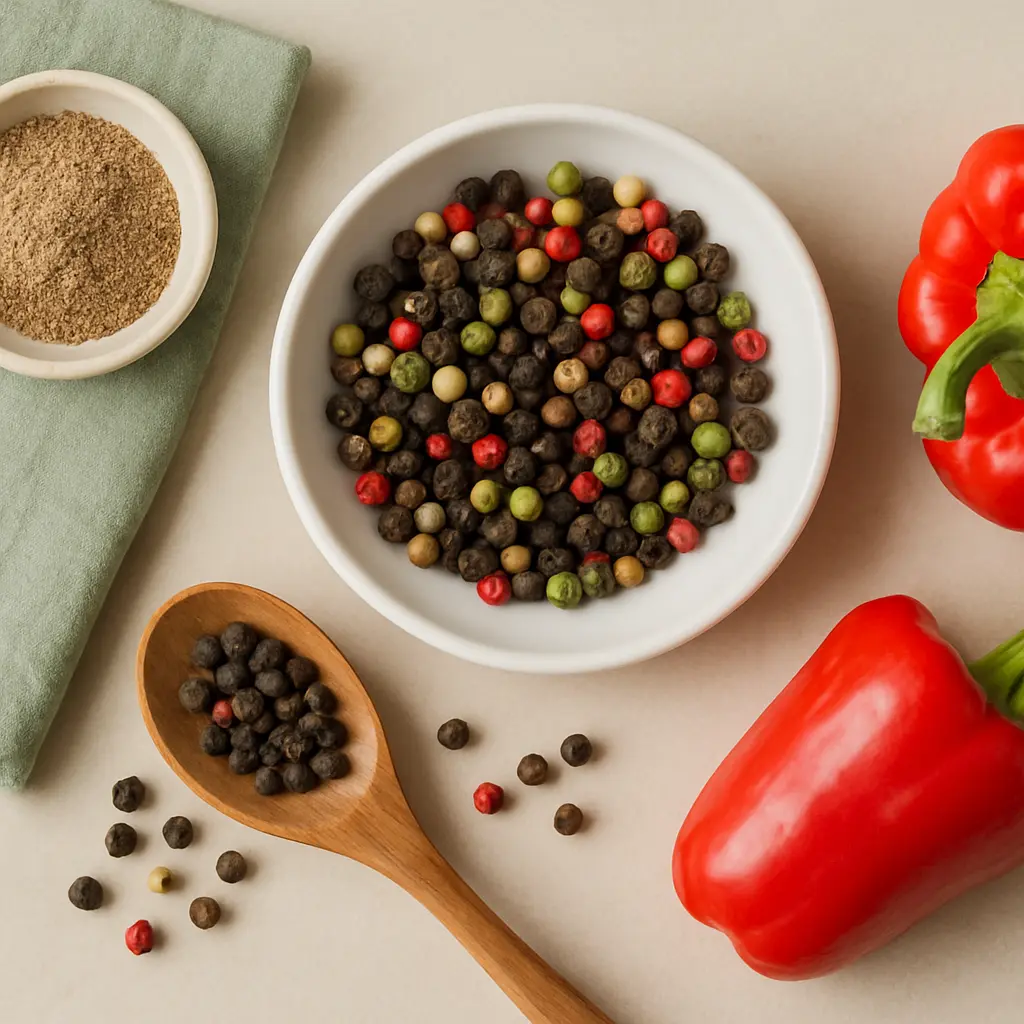
The Health Benefits and Culinary Versatility of Pepper
In this page
Pepper is one of the most widely used spices around the world, cherished for its distinctive sharp and slightly bitter flavor. While it is a staple in many kitchens due to its ability to enhance the taste of a variety of dishes, pepper also offers certain health benefits that are less commonly known. This article delves into the diverse types of pepper, its culinary applications, and the potential health advantages it can provide.

Scientific Background and General Context
Pepper, particularly black pepper, has been a cornerstone of global cuisine for centuries. It is the fruit of the Piper nigrum plant, and its pungency and aroma are attributed to piperine, a compound that not only defines its flavor but also contributes to its health-promoting properties.Historically, pepper has been used not only as a seasoning but also in traditional medicine, especially in Southeast Asia where Ayurveda has recognized its health benefits for thousands of years. This ancient system of medicine often integrates pepper with other spices like turmeric to enhance the bioavailability of active compounds such as curcumin, showcasing a dynamic synergy that has been the subject of various studies.
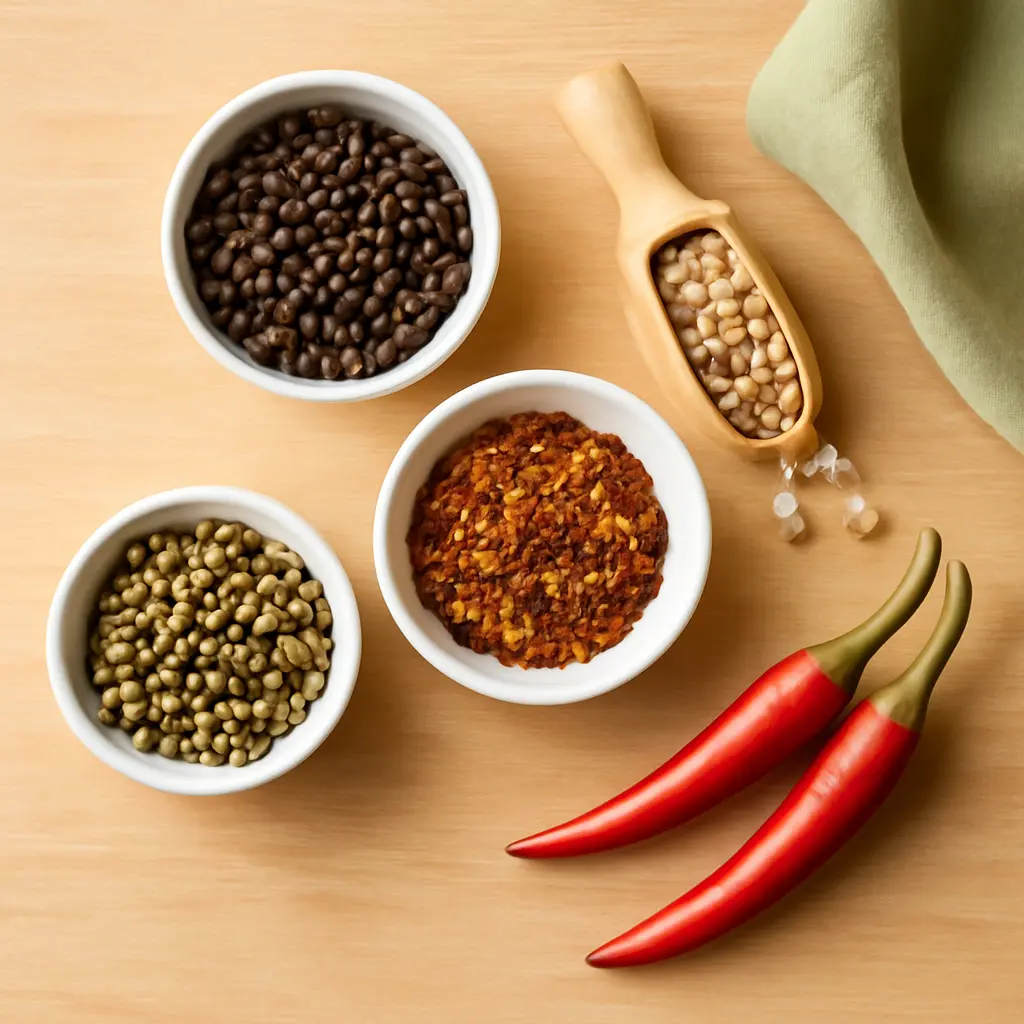
Types of Pepper in Culinary Use
Pepper comes in various forms, each with unique characteristics that cater to different culinary needs:
Black Pepper
Black pepper is the most common variety and is made from unripe pepper berries that are cooked and dried. Its robust flavor and aroma make it a versatile ingredient that can complement both simple and complex dishes.
White Pepper
White pepper is produced by removing the outer layer of black peppercorns, resulting in a milder flavor. It is often used in light-colored dishes where black specks might be undesirable, such as creamy soups and sauces.
Green Pepper
Green peppercorns are harvested before they mature and are often preserved in brine or vinegar. They have a fresher, milder taste that can add a subtle spice to dishes.
Red Pepper
Red pepper, more accurately known as pink peppercorn, is not a true pepper but rather the dried fruit of the Peruvian pepper tree. Its sweet, fruity flavor is used to add a colorful and exotic twist to recipes.
Culinary Applications
Pepper’s versatility in the kitchen cannot be overstated. Its ability to enhance and balance the flavors of a wide range of dishes makes it indispensable:
Meats and Seafood
Pepper is a fundamental ingredient in preparing meats such as beef, pork, poultry, and lamb. It enhances the depth of flavor in steaks and burgers by balancing the richness of the meat. It also complements the natural flavors of both lean and fatty fish.
Eggs and Dairy
From scrambled eggs to omelets, a dash of pepper can significantly elevate the taste. It pairs well with cheeses, particularly those with strong flavors like Parmesan and Cheddar, providing a spicy contrast that enhances the cheese’s richness.
Vegetables
Root vegetables like carrots and parsnips gain complexity with the addition of pepper. Similarly, leafy greens such as spinach and kale become more pronounced in flavor when seasoned with pepper.
Sauces and Soups
No soup or sauce is complete without pepper. Whether it’s a hearty stew or a delicate broth, pepper adds a layer of complexity and warmth that is difficult to replicate with other spices.
Pasta, Rice, and Grains
Pepper is a classic seasoning for pasta dishes and risottos, where it pairs wonderfully with creamy sauces or simple oil-based dressings. It also enhances the flavor profile of grains like quinoa and bulgur.
Health Benefits of Pepper
The health benefits of pepper primarily stem from piperine, which is present in varying concentrations depending on the type of pepper:
| Type of Pepper | Piperine Content |
|---|---|
| Black | 4-5% |
| White | 1-2% |
| Green | <1% |
| Red | No Specific Data |
Antioxidant Properties
Piperine has been shown to possess antioxidant properties, which help in neutralizing harmful free radicals in the body. This can potentially lead to reduced oxidative stress and inflammation, which are underlying factors in many chronic diseases.
Enhanced Nutrient Absorption
A noteworthy attribute of piperine is its ability to enhance the absorption of certain nutrients and bioactive compounds. For instance, when combined with curcumin, the active ingredient in turmeric, piperine can increase its bioavailability by several folds, making this combination a popular choice in dietary supplements.
Anti-Inflammatory Effects
Research suggests that piperine may play a role in reducing inflammation and could be beneficial in managing conditions like arthritis. Its potential in moderating inflammatory responses has been observed in preclinical studies, though more research is needed in human trials.
Antimicrobial Activity
Piperine has demonstrated inhibitory effects on the growth of certain bacteria and fungi in laboratory settings. This antimicrobial property could have implications in food preservation and safety, as well as in developing novel therapeutic agents.
Daily Use and Lifestyle Applications
Incorporating pepper into your diet is straightforward and can be done in numerous ways:
- Add freshly ground black pepper to salads and dressings for an extra kick.
- Use it as a seasoning for meats and vegetables before grilling or roasting.
- Enhance the flavor of pasta sauces and soups with a generous sprinkle.
- Combine black pepper with turmeric in recipes to maximize health benefits.
Balanced Perspective and Safety
While pepper is generally safe for consumption, excessive intake may cause gastrointestinal discomfort in some individuals. It may also interact with certain medications by affecting their metabolism and absorption. Therefore, it’s essential to use pepper in moderation and consult with a healthcare provider if you have underlying health conditions or are on medication.In conclusion, pepper is not just a culinary staple but also a spice with potential health benefits. Its rich flavor profile can transform ordinary dishes into gourmet experiences, while its bioactive compounds offer promising health-promoting properties. By understanding its uses and effects, you can make informed choices about incorporating pepper into your daily diet for both taste and wellness.


