
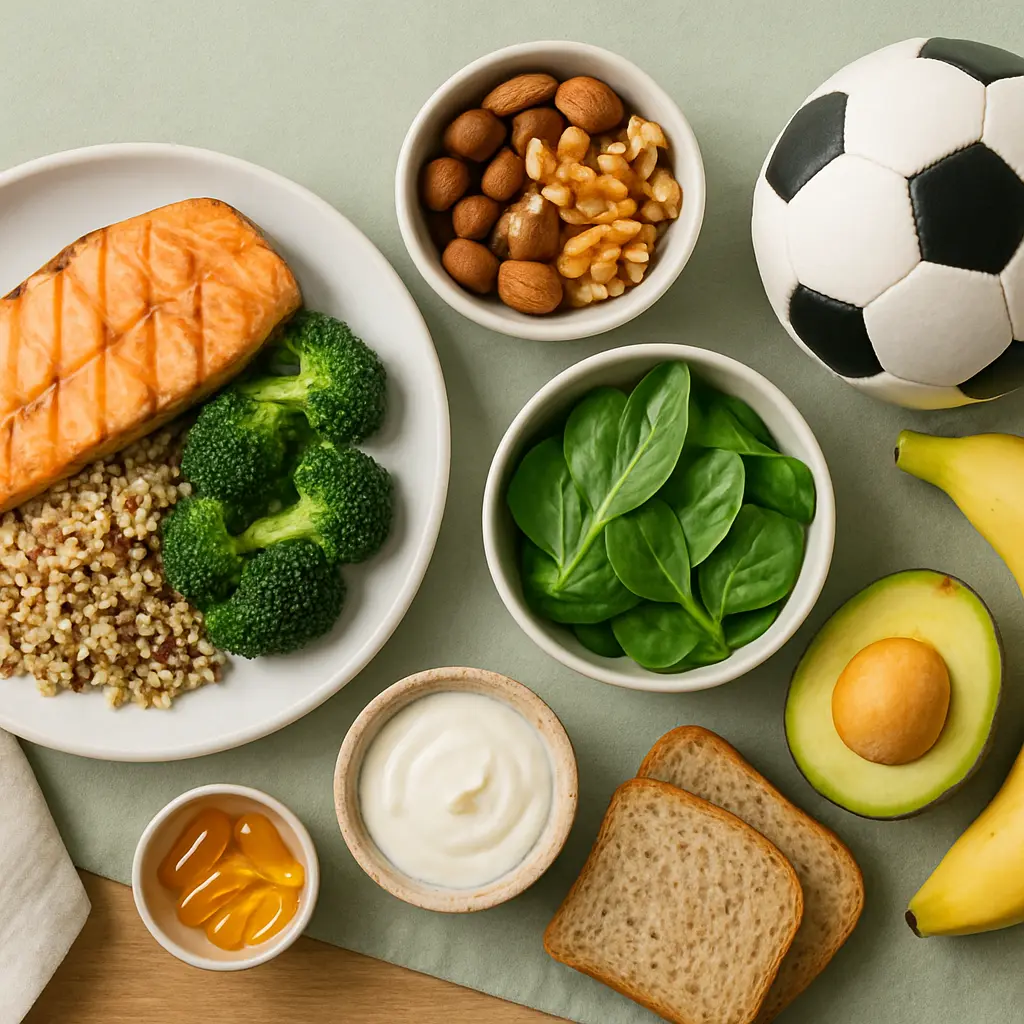
Optimizing Nutrition and Performance in Soccer: A Comprehensive Guide
In this page
In the highly competitive world of soccer, where each movement on the field can sway the outcome of a match, both hard work and recovery are essential components of success. The way players manage their energy, stamina, and rest can greatly impact who ultimately holds the trophy. Nutrition plays a crucial role in this complex puzzle, influencing performance, injury prevention, and recovery. This article delves into the dietary foundations, performance enhancers, and recovery strategies for soccer players, highlighting the importance of a balanced and scientifically-informed approach.

Scientific Background and General Context
Soccer demands a unique blend of physical prowess, mental acuity, and tactical awareness. Unlike sports with frequent scoring events, such as volleyball or basketball, soccer is characterized by its strategic complexity, where each play can hold significant weight. The continuous nature of soccer requires players to maintain high levels of concentration and endurance throughout the match. This places a dual demand on athletes to not only excel physically but also sustain mental readiness and resilience. A well-rounded approach to nutrition and training is essential to meet these demands and optimize performance.

Foundational Nutrition: Proteins and Carbohydrates
Protein: Building and Repairing Muscle
Protein is a vital macronutrient for soccer players due to its role in muscle building, repair, and recovery. Athletes are recommended to consume between 0.6 to 0.8 grams of protein per pound of body weight daily. During periods of intense training or competition, such as cup matches or strength-building phases, intake might increase to as much as 1 gram per pound. This ensures muscle integrity and supports adaptation to physical demands. Whey, casein, egg, soy, and plant-based protein supplements can effectively meet daily protein needs, providing essential amino acids that aid in muscle repair and growth.
Carbohydrates: Fueling Performance
Carbohydrates are the primary energy source for soccer players, crucial for sustaining high-intensity performance. Players should aim for 3.6 to 5.5 grams of carbs per pound of body weight, with higher amounts surrounding intense training sessions. For longer durations, consuming 20-30 grams of liquid carbohydrates per hour can be beneficial. Sources include glucose-based drinks or isotonic beverages, which help maintain energy levels and delay fatigue. Adequate carbohydrate intake is vital for energy storage in muscles and maintaining performance throughout matches.
Performance Enhancement Techniques
Creatine for Strength and Stamina
Creatine is widely recognized for its ability to enhance muscle strength and endurance, making it particularly valuable for soccer players. By increasing the availability of adenosine triphosphate (ATP), creatine supports rapid energy production during short, intense bursts of activity characteristic of soccer. Furthermore, creatine aids in muscle recovery post-training, helping athletes maintain peak condition over long seasons.
Joint Health and Injury Prevention
Frequent practice and matches place significant stress on a player’s joints and tendons. Collagen, a crucial component of connective tissue, supports joint health and flexibility. Regular collagen supplementation can decrease injury risk by maintaining joint and tendon elasticity and strength. It also aids in connective tissue recovery, promoting quicker recovery from potential injuries.
Mental Focus and Fatigue Delay
Improving Concentration with Caffeine and Adaptogens
In a sport requiring quick decisions and responses, maintaining concentration is essential. Caffeine, a common ingredient in energy drinks, enhances alertness and focus while reducing perceived fatigue, particularly beneficial during extended matches. Additionally, adaptogens like Rhodiola Rosea help the body manage physical and mental stress, crucial in high-pressure team sports where performance anxiety can affect outcomes.
Sustaining Energy with Citrulline and Beta-Alanine
Citrulline, an amino acid converted into arginine and subsequently nitric oxide, increases blood flow and muscle oxygenation, vital for soccer endurance. It also enhances urea excretion, mitigating exercise-induced fatigue. Beta-alanine, a carnosine precursor, buffers lactic acid in muscles, delaying fatigue onset and enhancing muscle endurance during high-intensity game moments. Nitrates, present in foods like beets, also improve oxygen utilization, supporting endurance and stamina in prolonged matches.
Balanced Perspective and Safety
Ensuring Nutritional Adequacy
Soccer players require a balanced diet incorporating electrolytes, fiber, B vitamins, vitamin D3, omega-3 fatty acids, and other essential nutrients. Electrolytes are vital for fluid balance and muscle function, while fiber supports digestive health. B vitamins facilitate energy metabolism, with vitamin D3 crucial for bone health. Omega-3 fatty acids reduce inflammation and promote heart health. It is important to tailor nutritional plans to individual needs, considering training intensity and physiological characteristics.
Safety and Individualized Nutrition
Proper nutrition must be personalized, accounting for an athlete’s specific needs and lifestyle. Overconsumption or underconsumption of nutrients can lead to health issues or suboptimal performance. Working with a nutritionist or dietitian can help players create balanced dietary plans that align with their training and competition demands. Monitoring nutrient levels, hydration, and overall dietary habits ensures long-term health and sustained athletic excellence.
Daily Use and Lifestyle Applications
Integrating these nutritional strategies into daily routines involves planning meals and supplementation around training and matches. Timing of nutrient intake can significantly affect energy levels and recovery. Pre-match meals should focus on easily digestible carbohydrates and proteins for energy, while post-match meals should aid in recovery with a combination of proteins and carbohydrates. Hydration should be emphasized throughout the day, not just during active periods, to maintain electrolyte balance and prevent dehydration-related performance drops.By adopting a holistic and informed approach to nutrition, soccer players can enhance their performance, reduce injury risk, and support overall health. This comprehensive strategy allows athletes to function at their best both on and off the field, meeting the sport’s physical and mental challenges with confidence and resilience.


