
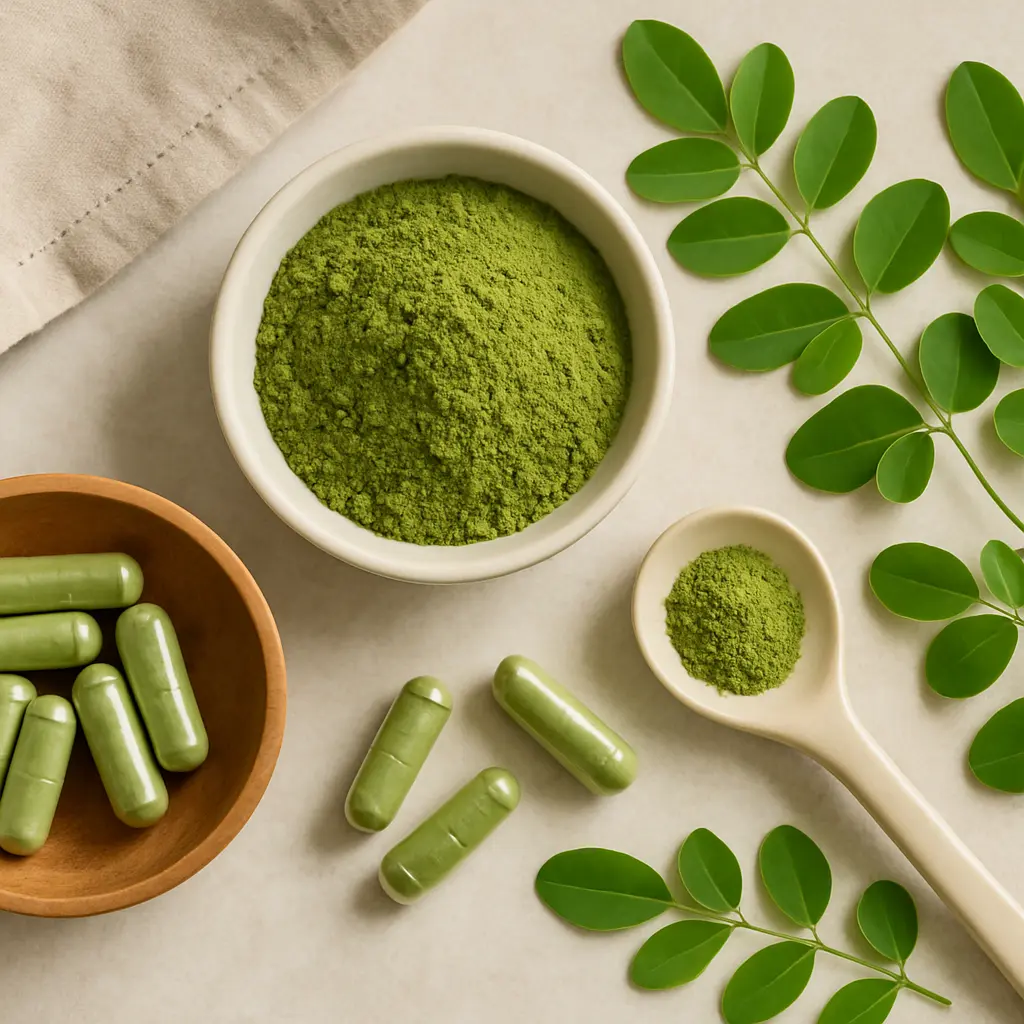
Moringa: A Nutritional Powerhouse with Multifaceted Benefits
In this page
Moringa, often referred to as the “drumstick tree” or “horseradish tree,” is an extraordinary plant native to the northern regions of India but is now cultivated globally in Africa, Asia, and Latin America. Known for its nutritional richness and diverse applications, moringa has been gaining prominence in health and wellness circles worldwide. This article explores the various aspects of moringa, from its botanical characteristics to its potential health benefits and practical applications in daily life.

Scientific Background and General Context
Moringa oleifera is a versatile tree that can grow up to 32–39 feet tall. It is characterized by delicate branches, feathery light green leaves, rough gray-brown bark, and fragrant white flowers. Its long, green pods contain wing-shaped seeds, contributing to its reputation as a sustainable and fast-growing plant. The entire tree, from its leaves to its seeds, is widely utilized in various ways, making it an invaluable resource across different cultures.
Moringa has been used traditionally in Indian and African medicine for its purported health benefits. Its leaves are particularly notable for their high nutritional content, containing essential vitamins and minerals, such as vitamin A, vitamin C, calcium, and potassium. Additionally, moringa is rich in antioxidants like flavonoids, polyphenols, and ascorbic acid, which help combat oxidative stress and inflammation in the body.
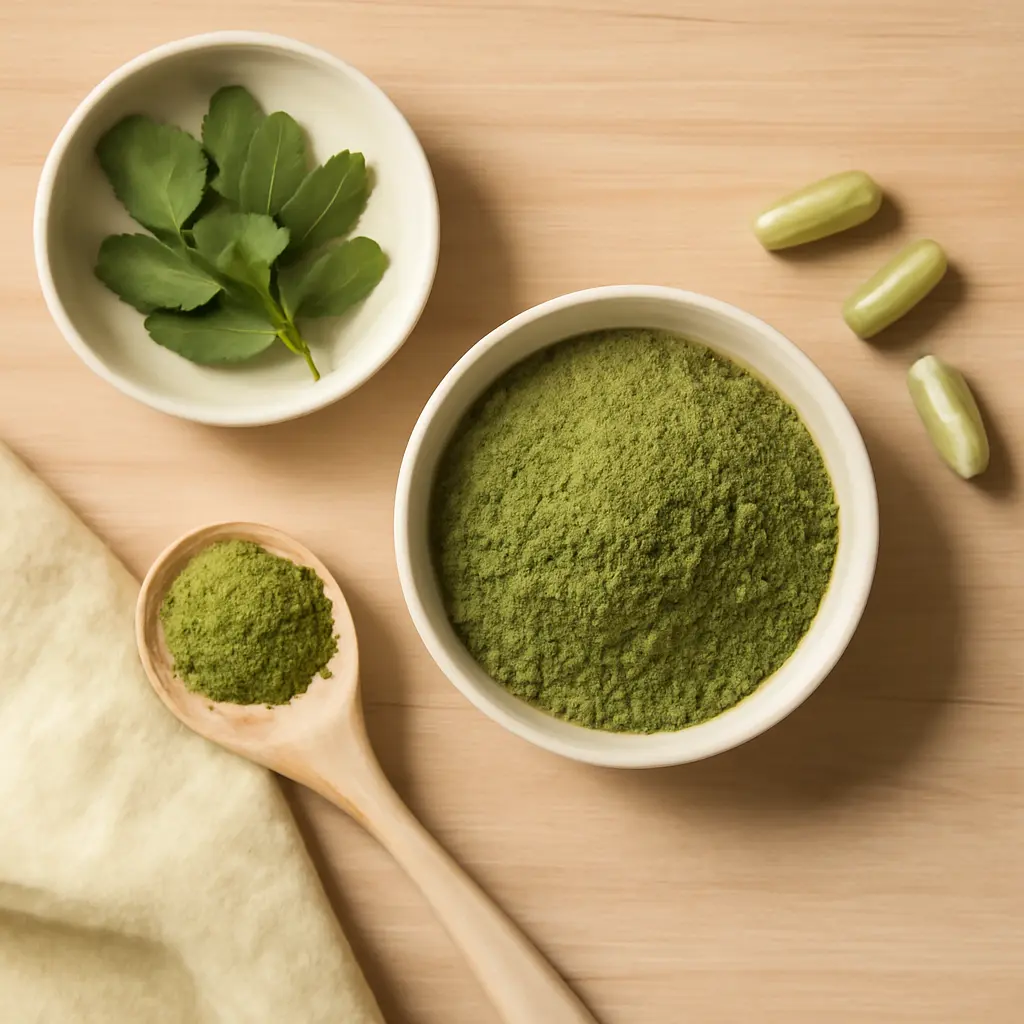
Exploring the Nutritional Profile of Moringa
The Power of Moringa Leaves
The leaves of moringa are perhaps the most utilized part of the tree due to their impressive nutritional profile. When dried and ground into a fine powder, they can be incorporated into various dishes or used as a dietary supplement. This powder is rich in several vital nutrients, such as vitamin B1 (thiamine), B2 (riboflavin), B3 (niacin), and B6, essential for energy metabolism and cognitive function.
Remarkably, moringa leaves contain a significant amount of fat, primarily oleic acid, which is also found in olive oil. Oleic acid is known for its beneficial effects on heart health by improving cholesterol levels and reducing inflammation.
Flowers, Pods, and Roots
Moringa flowers, delicate and aromatic, are not only aesthetically pleasing but also edible. They can be added to teas and various beverages or used to enhance the flavor of dishes. The immature green pods, often compared in taste to horseradish, are consumed as vegetables, providing a spicy kick to meals. Similarly, the roots of the moringa tree share this pungent flavor and can be used in culinary applications.
Seeds and Oil Production
Moringa seeds are valued for their oil, which is extracted for use in cosmetic products due to its moisturizing properties. The oil, known as “ben oil,” is rich in behenic acid, which is beneficial for skin and hair health. This makes moringa oil a favorable ingredient in natural skincare formulations.
Potential Health Benefits of Moringa
Moringa and Metabolic Health
Studies have suggested that moringa may offer benefits for managing metabolic disorders, including diabetes. Research on animal models has demonstrated that moringa extracts can significantly lower elevated blood glucose levels and improve lipid profiles by reducing triglycerides and cholesterol levels.
Human studies have also shown promising results. For instance, consuming moringa leaf powder for an extended period can lead to reductions in body mass index (BMI), insulin levels, and blood pressure, while increasing levels of HDL cholesterol, commonly known as “good” cholesterol. However, further research is necessary to confirm these effects and optimize dosage recommendations.
Antimicrobial Properties
Moringa exhibits notable antimicrobial activity, particularly against various bacteria and fungi. Extracts from its leaves, seeds, and roots have shown effectiveness in inhibiting pathogens such as E. coli and Staphylococcus aureus. These properties are primarily attributed to compounds like isothiocyanates found in moringa, which have been observed to combat infections and support immune health.
Neuroprotective Effects and Stroke Prevention
The antioxidant-rich composition of moringa, combined with its fatty acid content, suggests potential neuroprotective benefits. Animal studies indicate that moringa extracts may reduce brain damage and oxidative stress associated with strokes, highlighting its potential role in supporting brain health. While these findings are encouraging, more research involving human subjects is essential to establish the extent of these benefits conclusively.
Daily Use and Lifestyle Applications
Incorporating moringa into a daily routine can be both practical and beneficial. With fresh moringa being difficult to source outside tropical regions, supplements in the form of powders, capsules, or oils offer a convenient alternative. These supplements provide a concentrated form of moringa, ensuring a consistent intake of its bioactive compounds.
Moringa powder can be effortlessly added to smoothies, soups, and salads, while capsules offer a straightforward method of consumption. Additionally, moringa oil can be used in cooking or applied topically for skin nourishment.
Balanced Perspective and Safety
While moringa offers numerous potential health benefits, it is essential to approach its use with a balanced perspective. Some studies have highlighted the necessity for further research to establish optimal dosages and long-term effects. Individuals considering moringa supplementation should consult healthcare professionals, especially if they have underlying health conditions or are taking medications.
Moringa is generally considered safe when consumed in moderate amounts, but excessive intake may lead to gastrointestinal disturbances. As with any supplement, it is crucial to adhere to recommended dosages and remain informed about its interactions with other nutrients or medications.
Conclusion
Moringa oleifera, with its rich nutritional profile and diverse applications, stands out as a promising addition to the realm of natural health. Its potential benefits for metabolic health, antimicrobial properties, and neuroprotective effects make it a subject of growing interest among researchers and health enthusiasts alike. By understanding its nutritional value and practical applications, individuals can incorporate moringa into their lifestyles to enhance overall well-being in a safe and informed manner.


