
Delving Into the World of Chaga: An Extraordinary Mushroom with Powerful Benefits
In this page
Chaga, a unique and historically valued mushroom, has caught the attention of medical researchers and health enthusiasts alike. Unlike typical fungi with caps and stems, Chaga resembles charred wood and grows primarily on birch trees in colder climates. This article explores the origin, historical applications, scientific findings, and potential health benefits of Chaga, grounding each point in scientific consensus and practical insight.

Scientific Background and General Context
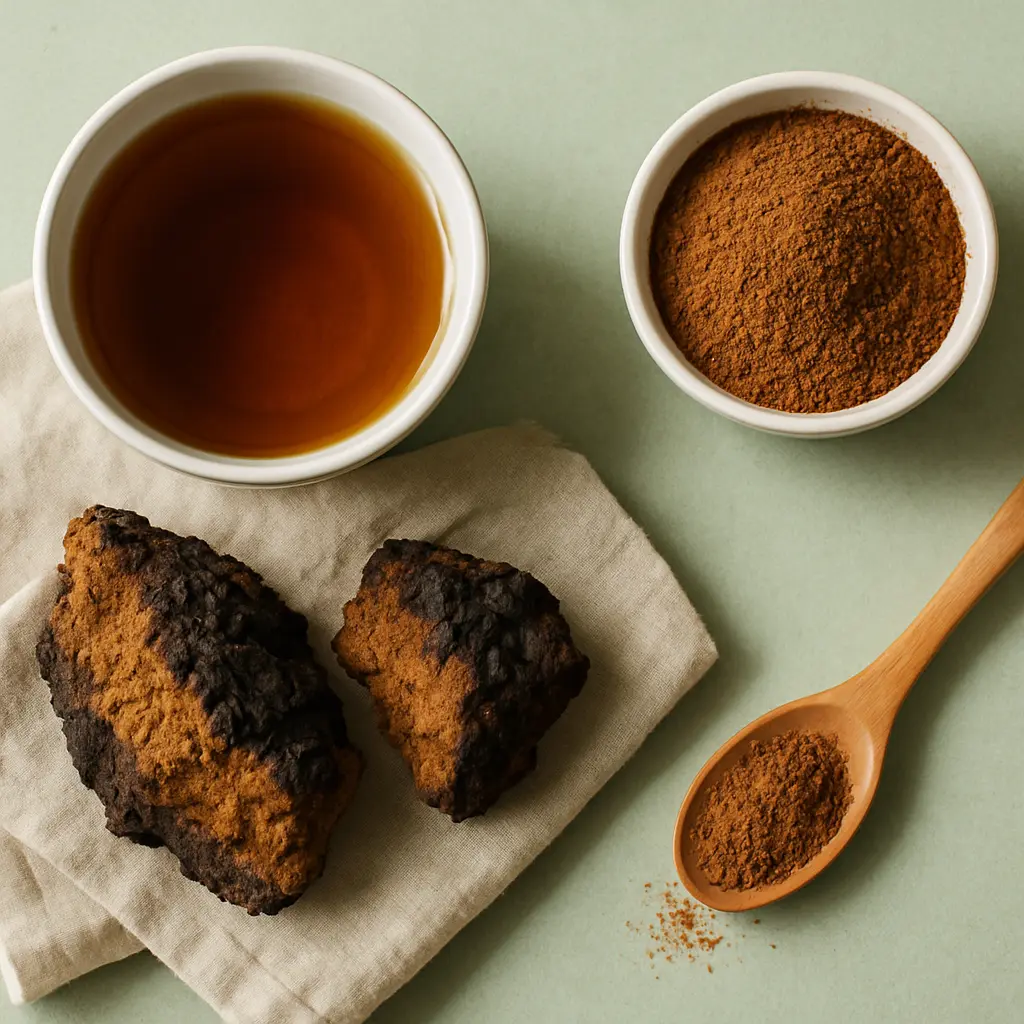
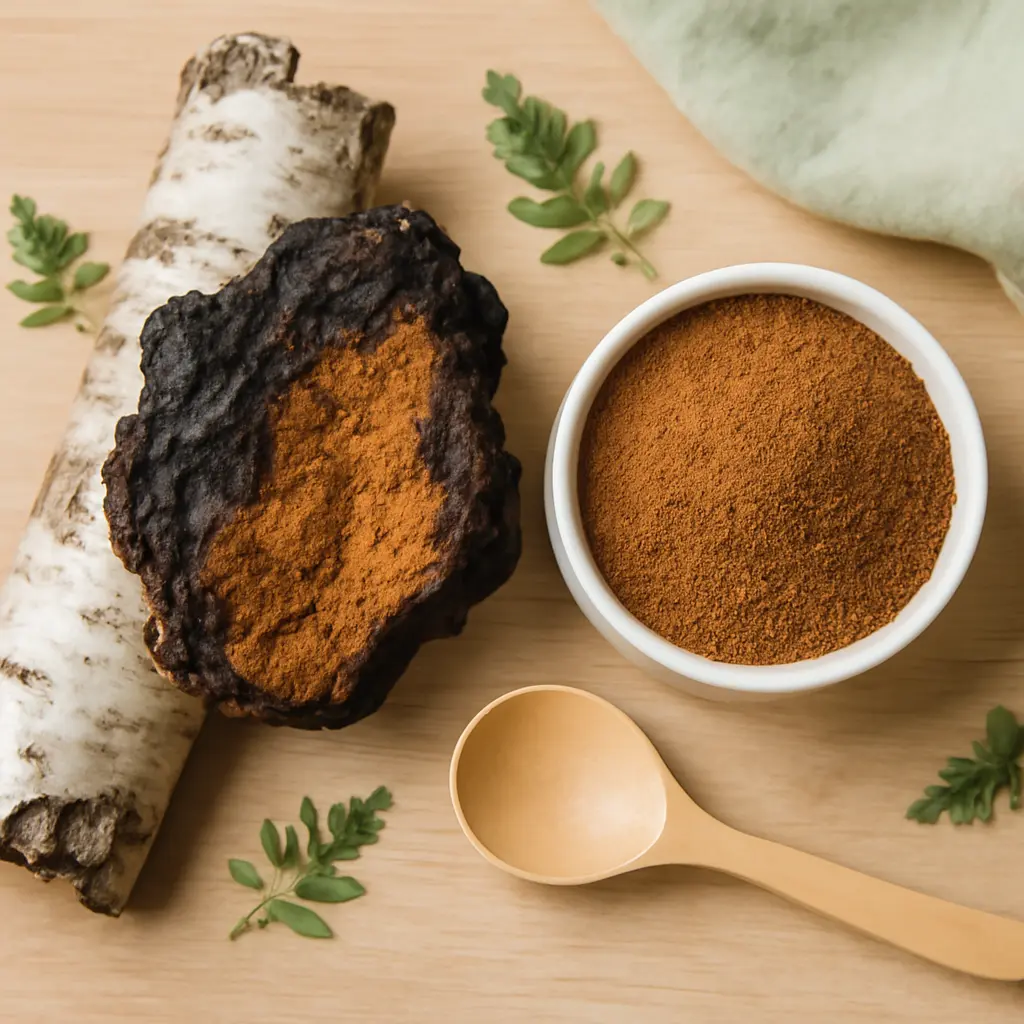
Chaga, scientifically known as Inonotus obliquus, is not your average mushroom. This fungus belongs to the family Hymenochaetaceae and is typically found on birch trees in boreal forests of the Northern Hemisphere. The mushroom’s striking appearance—characterized by a black, cracked mass akin to burnt wood—is a result of a complex symbiotic relationship with its host tree. This unique morphology makes it both a fascinating subject of study and a revered component in traditional medicine systems.Historically, Chaga has been used in the folk medicine systems of Russia, Scandinavia, and parts of Asia. It was believed to restore health and vitality, offering a natural remedy for various ailments ranging from digestive issues to skin conditions. Modern scientific exploration has begun to validate some of these traditional claims, focusing on Chaga’s bioactive components and their potential health-promoting properties.
Natural Habitat and Ecological Role
Chaga mushrooms thrive in cold climates, primarily found in the forests of Russia, Siberia, Northern Europe, Korea, Northern Canada, and Alaska. The choice of birch trees as their host is not incidental; birch trees are resilient to extreme cold and provide a stable environment for Chaga to grow and develop. The mushroom draws nutrients from the tree, which results in the transfer of beneficial compounds like betulinic acid from the birch’s bark into the mushroom.Ecologically, Chaga plays a role in the decay and nutrient cycling of forest ecosystems. By decomposing the wood of its host, Chaga contributes to the natural breakdown and recycling of organic material, further enriching the forest floor.
Historical Use and Cultural Significance
Chaga has a rich history of use in traditional medicine, particularly in Russia and Northern European countries. It has been consumed as a tea or tincture and used topically for its purported health benefits. In Siberian folk medicine, Chaga tea was a staple for enhancing immunity and overall well-being.In Asia, particularly in China and Korea, Chaga has been used in traditional medicine for centuries. It is considered a potent adaptogen, believed to help the body resist stressors and promote physiological balance. The historical applications of Chaga underscore its cultural and medicinal importance long before it was recognized by modern science.
Bioactive Components of Chaga
The therapeutic potential of Chaga can be attributed to its rich profile of bioactive compounds. Scientific studies have identified several key components that contribute to its health-promoting properties:
Polysaccharides
Polysaccharides, particularly beta-glucans, are abundant in Chaga and have demonstrated immunomodulatory effects. These complex carbohydrates enhance the body’s immune response by activating various immune cells and modulating their activity.
Betulinic Acid
Derived from the host birch tree, betulinic acid and its precursor, betulin, are triterpenoids that have attracted scientific interest for their potential anticancer properties. Studies suggest they may induce apoptosis, or programmed cell death, in certain cancer cells.
Antioxidants
Chaga is rich in antioxidants, including melanin, phenolic compounds, and flavonoids. These compounds help neutralize free radicals, reducing oxidative stress and potentially lowering the risk of chronic diseases.
ORAC Value
The Oxygen Radical Absorbance Capacity (ORAC) value of Chaga is notably high, indicating its strong antioxidant activity. This property puts Chaga on par with other antioxidant-rich foods like acai berries and dark chocolate.
Potential Health Benefits of Chaga
The diverse array of bioactive components in Chaga suggests several potential health benefits:
Immune System Modulation
Research indicates that Chaga’s polysaccharides can stimulate the immune system, enhancing the body’s ability to fight infections and diseases. By supporting the production and activity of white blood cells, Chaga may contribute to improved immune defenses.
Cancer Research and Antitumor Activity
Preliminary studies on Chaga’s triterpenoids, such as betulinic acid, suggest promising antitumor activity. In vitro and animal studies have shown that these compounds can induce apoptosis in cancer cells, although more human clinical trials are needed to confirm these effects.
Chronic Disease Prevention
The antioxidant properties of Chaga play a crucial role in protecting cells from oxidative damage. By reducing free radical levels in the body, Chaga may help prevent chronic diseases like cardiovascular conditions and diabetes. Its anti-inflammatory effects further support its potential in managing chronic inflammation-related conditions.
Daily Use and Lifestyle Applications
Chaga is commonly consumed as a tea, tincture, or extract. It can be prepared by steeping dried chunks or powder in hot water, resulting in a dark, earthy-tasting brew. For those new to Chaga, starting with a small amount and gradually increasing intake is advisable, as individual tolerance can vary.Additionally, Chaga supplements are available in capsule or tablet form, often combined with other medicinal mushrooms. When incorporating Chaga into a wellness routine, it’s essential to consider the quality of the source material and the reputation of the supplier to ensure product efficacy and safety.
Balanced Perspective and Safety
While Chaga offers numerous potential health benefits, it is essential to approach its use with a balanced perspective. Scientific research is still ongoing, and while preliminary findings are promising, more studies are needed to fully understand its effects and establish standardized dosing guidelines.As with any supplement, individuals with pre-existing health conditions or those taking medication should consult a healthcare professional before using Chaga. Specifically, individuals with autoimmune conditions or those on immunosuppressive therapies should exercise caution due to Chaga’s immune-stimulating properties.
Conclusion
In summary, Chaga is a unique and potentially powerful health-supporting fungus with a rich history and a promising future. While the scientific community continues to explore its full potential, incorporating Chaga into a balanced diet and healthy lifestyle may offer several benefits. As always, informed choices and professional guidance are key to maximizing health outcomes.


