
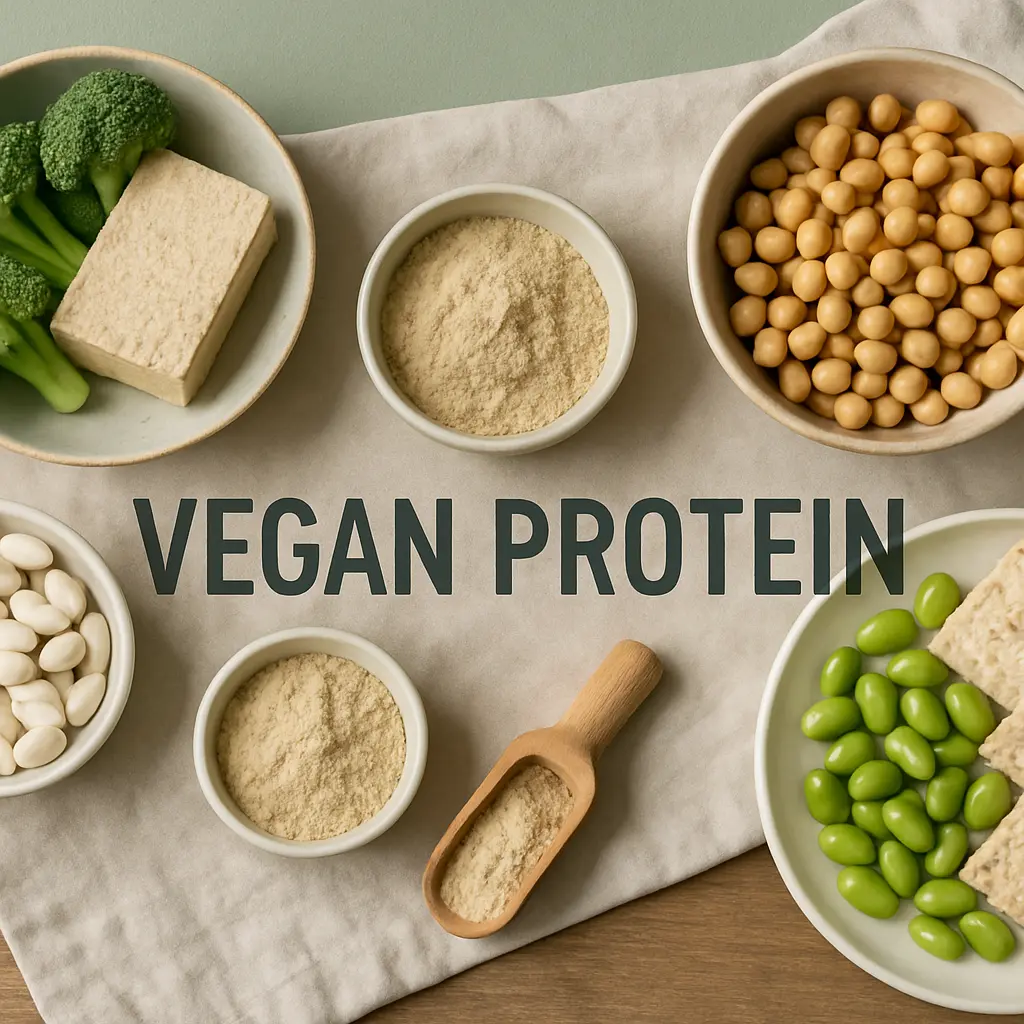
Understanding Vegan Protein Options: A Comprehensive Guide
In this page
Vegan protein products have become increasingly popular as more people adopt plant-based diets. These products often serve as excellent alternatives to traditional protein sources, offering essential nutrients without animal-derived ingredients. While many commercial options are available, finding high-quality vegan protein products that are low in added sugars and unhealthy fats can be challenging. This article explores the characteristics, applications, and safety of vegan protein, helping you make informed choices for your dietary needs.

Scientific Background and General Context
Protein is a macronutrient essential for building and repairing tissues, producing enzymes and hormones, and maintaining overall health. While animal products are traditionally rich in protein, many plant-based sources can also provide sufficient protein when consumed in combination or when selecting the right products. Vegan protein products are derived from plants, such as peas, rice, hemp, and soy, and are designed to meet the dietary preferences of those avoiding animal products.The increasing demand for vegan protein is driven by a range of factors, including health concerns, environmental awareness, and ethical considerations regarding animal welfare. Vegan proteins offer a sustainable, cruelty-free alternative to traditional protein supplements and are suitable for individuals with dietary restrictions or allergies to dairy and eggs.

Key Characteristics of Vegan Protein Products
When evaluating vegan protein products, it’s essential to consider their nutritional composition. Quality vegan protein products should be rich in protein and low in added sugars, salt, and unhealthy fats. They should also provide a balanced amino acid profile, as most plant proteins are not complete sources of all essential amino acids.1. **Protein Content**: A high-quality vegan protein product typically contains a significant percentage of protein per serving. This can vary based on the source; for example, soy and pea proteins are generally higher in protein content compared to other plant sources.2. **Amino Acid Profile**: Unlike animal proteins, some plant proteins lack certain essential amino acids. Combining different plant proteins, such as rice and pea, can help achieve a complete amino acid profile.3. **Nutrient Density**: Apart from protein, these products may include vitamins, minerals, and other beneficial compounds. Ingredients such as chia seeds, flaxseeds, and spirulina can enhance the nutritional value of vegan protein products.4. **Additives and Preservatives**: It’s crucial to select products with minimal additives. Many commercial vegan proteins contain added sugars, salt, or artificial flavors, which can detract from their health benefits.
Daily Use and Lifestyle Applications
Incorporating vegan protein into a balanced diet can support various health goals and lifestyle needs. These products offer flexibility and convenience, making them suitable for a wide range of applications.1. **Meal Replacement**: Vegan protein powders can serve as meal replacements for those seeking weight management or requiring on-the-go nutrition. By blending them with fruits and vegetables, you can create a nutritious shake that delivers a balanced meal.2. **Post-Workout Recovery**: Consuming protein after exercise helps repair and build muscle tissue. Vegan protein shakes can be a convenient post-workout option for athletes or individuals engaging in regular physical activity.3. **Culinary Creations**: Beyond shakes, vegan protein can be incorporated into various recipes, like protein bars, pancakes, or baked goods, providing an extra protein boost to meals and snacks.4. **Dietary Needs**: Individuals with specific dietary restrictions, such as lactose intolerance or gluten allergies, can benefit from vegan protein products tailored to meet these needs.
Balanced Perspective and Safety
While vegan protein products can be a nutritious addition to your diet, it’s important to approach them with a balanced perspective. Ensuring they are part of a varied and balanced diet is crucial for overall health.1. **Moderation**: While protein is essential, excessive intake can lead to potential health issues. It is important to consume the recommended amount of protein based on individual needs, which can vary due to age, activity level, and overall health.2. **Label Examination**: Carefully reading labels ensures you are selecting a product that aligns with your health goals and dietary preferences. Look for products with transparent labeling regarding ingredient sourcing and nutritional information.3. **Allergen Awareness**: Some vegan protein products may contain common allergens like soy or nuts. Always check for potential allergens, particularly if you have known sensitivities or allergies.4. **Whole Food Balance**: Vegan protein products should not replace whole food sources of protein entirely. Including a variety of plant-based foods in your diet, such as legumes, nuts, seeds, and whole grains, will provide additional nutrients and dietary fiber.In conclusion, vegan protein products can be a valuable part of a healthy diet, offering numerous benefits for those seeking plant-based nutrition. By understanding their characteristics, applications, and how to incorporate them safely into your lifestyle, you can make informed decisions that support your health and wellness goals.


