
The Multifaceted Benefits of Dietary Fiber: A Comprehensive Guide
In this page
Dietary fiber is often celebrated for its role in promoting digestive health, but its impact extends far beyond aiding digestion. Fiber plays a crucial role in supporting metabolic health, cardiovascular function, and even weight management. This article delves into the different types of dietary fiber, their functions, the health benefits of incorporating fiber into your diet, and practical tips for increasing your fiber intake. Whether you’re seeking to improve your overall well-being or target specific health goals, understanding fiber’s diverse benefits can guide your dietary choices.

Scientific Background and General Context
Dietary fiber is a type of carbohydrate found in plant-based foods that the body cannot digest. Unlike other carbohydrates that break down into sugar molecules, fiber passes through the body undigested. This characteristic, however, does not diminish its nutritional value. Fiber is classified into two main types: soluble and insoluble, each with distinct properties and health benefits.
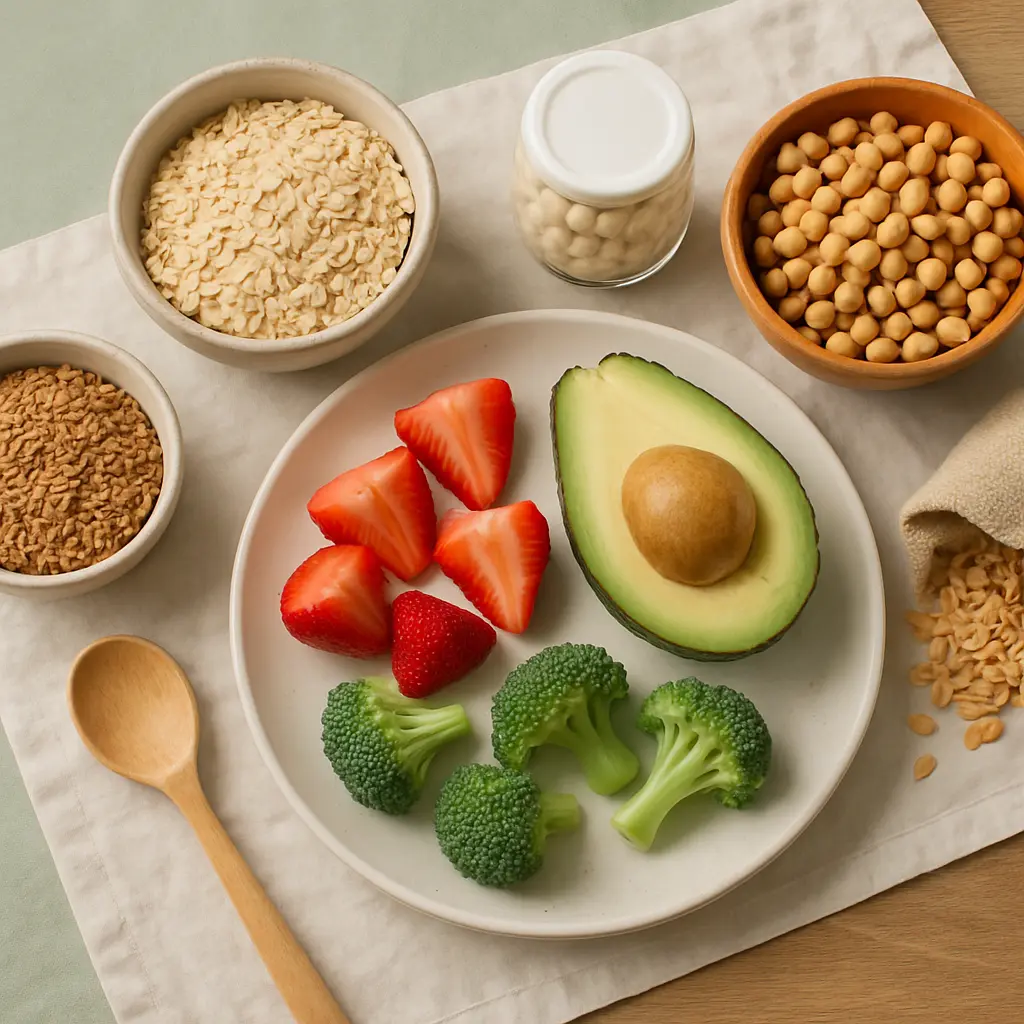
Soluble fiber dissolves in water to form a gel-like material, which can help lower blood cholesterol and glucose levels. It is found in foods such as oats, beans, lentils, and some fruits. Insoluble fiber, on the other hand, does not dissolve in water and is instrumental in adding bulk to stool, aiding in its passage through the digestive tract. This type of fiber is abundant in whole grains, nuts, and vegetables.

Health Benefits of Dietary Fiber
Promotes Digestive Health
Insoluble fiber acts like a natural “broom,” sweeping through the intestines and helping to maintain regular bowel movements. By increasing stool bulk, it aids in preventing constipation and can reduce the risk of developing hemorrhoids. Additionally, a diet rich in fiber fosters a healthy gut microbiota, which is essential for optimal digestive function and immune defense.
Regulates Blood Sugar Levels
Soluble fiber’s ability to form a gel-like consistency in the intestines slows down the absorption of sugar, preventing spikes in blood glucose levels. This property is particularly beneficial for individuals with insulin resistance or type 2 diabetes, as it aids in maintaining stable blood sugar levels and reducing the risk of complications associated with diabetes.
Lowers Cholesterol Levels
Soluble fiber can bind with cholesterol particles in the intestines, reducing their absorption into the bloodstream. This action helps lower levels of LDL (low-density lipoprotein), often referred to as “bad” cholesterol. By promoting heart health, soluble fiber reduces the risk of developing cardiovascular diseases such as atherosclerosis and hypertension.
Aids in Weight Management
Dietary fiber is a valuable ally in weight management due to its ability to create a feeling of fullness. By slowing gastric emptying, fiber extends the sensation of satiety, which can help control appetite and reduce overall calorie intake. Foods high in fiber typically have a low energy density, allowing for larger portions to be consumed without a significant increase in caloric intake.
Supports Heart Health
Beyond cholesterol regulation, fiber contributes to cardiovascular health by lowering blood pressure and reducing inflammation. A diet high in fiber has been associated with a reduced risk of developing heart disease, making it a crucial component of a heart-healthy lifestyle.
Reduces the Risk of Colorectal Cancer
Fiber’s role in detoxifying the digestive system cannot be overlooked. By accelerating the elimination of waste, fiber reduces the time potentially harmful substances spend in contact with the intestinal lining. This action lowers the risk of colorectal cancer. Additionally, fiber supports a healthy gut microbiota, which plays a pivotal role in cancer prevention.
Recommended Fiber Intake
The World Health Organization (WHO) and other health institutions recommend a daily fiber intake of 25–35 grams for adults. Despite these guidelines, many individuals fall short of this target, leading to health issues such as constipation and weight gain.
Fiber-Rich Foods
To meet daily fiber requirements, incorporate a variety of fiber-rich foods into your diet. Whole grains, fruits, vegetables, legumes, and nuts are excellent sources. Focus on whole, unprocessed foods to maximize fiber intake.
Daily Use and Lifestyle Applications
Integrating more fiber into your diet can be straightforward with some practical adjustments. Start your day with a high-fiber breakfast, such as oatmeal or whole-grain cereal. Include fruits and vegetables in every meal, opting for whole fruits over juices to retain fiber content. Substitute whole grains for refined grains in your meals, such as brown rice instead of white rice or whole-wheat bread instead of white bread.
Gradually increase your fiber intake to prevent digestive discomfort. Sudden increases can lead to bloating or gas, so it’s important to allow your digestive system to adjust. Ensure adequate hydration, as water helps fiber move smoothly through the digestive tract.
Balanced Perspective and Safety
While fiber offers numerous health benefits, it is essential to approach its consumption with balance. Excessive fiber intake can lead to digestive issues, such as bloating, gas, or diarrhea. It may also interfere with the absorption of essential nutrients like calcium, iron, and zinc. Therefore, it’s crucial to strike a balance and tailor your fiber intake to your body’s needs.
Individuals with certain health conditions, such as inflammatory bowel disease, may need to moderate their fiber intake and consult healthcare professionals for personalized dietary advice. Fiber supplements can be a beneficial option for those who struggle to meet their fiber needs through diet alone. However, supplements should not replace whole foods, as they lack the beneficial nutrients and phytochemicals found in natural food sources.
In summary, dietary fiber is a vital component of a healthy diet, offering a wide array of health benefits. By incorporating a variety of fiber-rich foods into your daily routine, you can support digestive health, manage weight, and reduce the risk of chronic diseases. Embrace the power of fiber and enjoy the holistic benefits it brings to your well-being.


