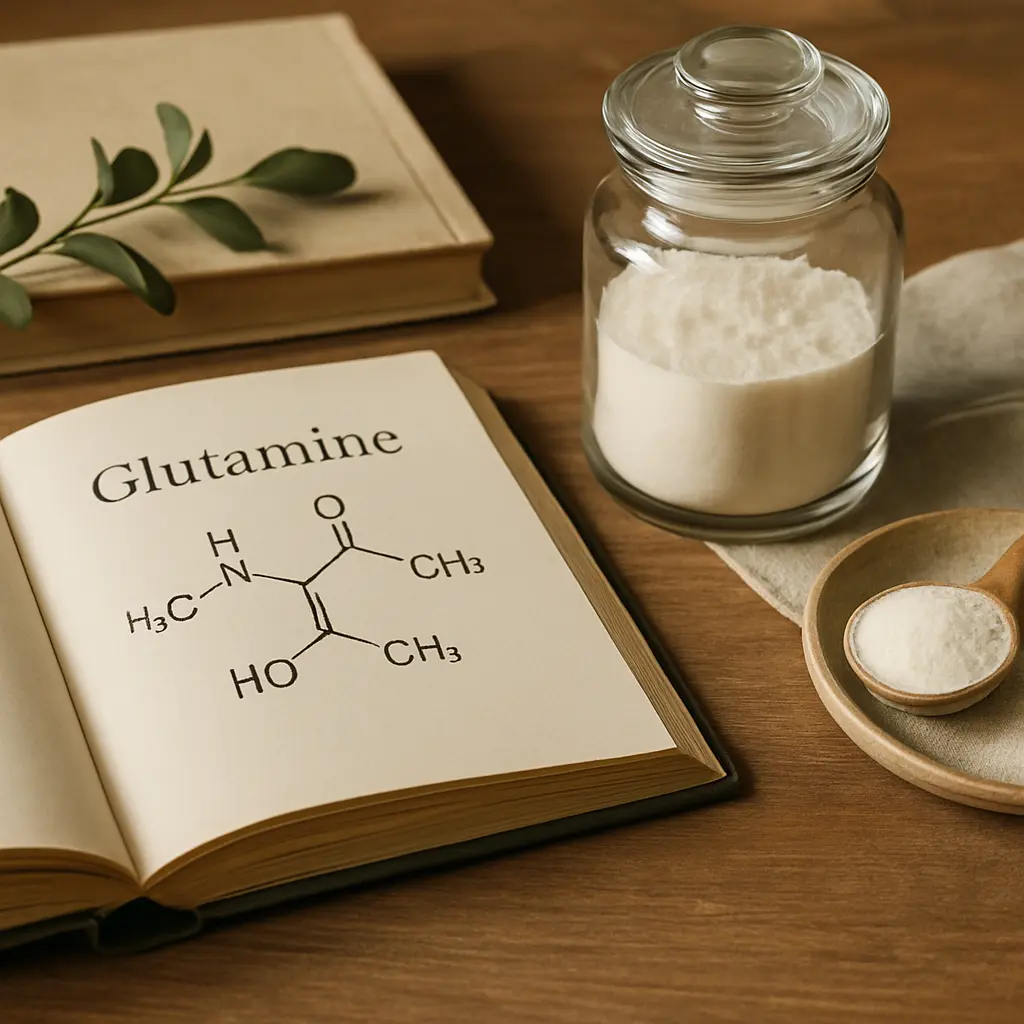
The Essential Role of Glutamine in Health and Well-Being
In this page
Glutamine is a crucial amino acid that plays a significant role in various physiological processes within the human body. While often associated with sports nutrition and muscle building, its influence extends to the immune system, gut health, and overall cellular function. This article delves into the origins of glutamine, its synthesis in the body, health benefits, and its applications in daily life. We also explore who might benefit from glutamine supplementation, appropriate dosing, and safety considerations to provide a comprehensive understanding of this vital nutrient.

Scientific Background and General Context
Glutamine is a non-essential amino acid, meaning the body can usually synthesize it as needed. It was first identified by the German chemist Ernst Schulze in 1883. The discovery underscored its importance as a building block for proteins and a crucial participant in many biochemical pathways. Under normal circumstances, the body efficiently produces enough glutamine to meet its needs. However, during periods of intense physical exertion, stress, or illness, the demand for glutamine can exceed the body’s production capacity, making supplementation potentially beneficial.The human body primarily synthesizes glutamine in skeletal muscles, but it is also produced in smaller quantities in the lungs, brain, and intestines. This synthesis involves converting glutamate via the enzyme glutamine synthetase in the presence of ammonia. As the most abundant amino acid in the bloodstream, glutamine constitutes approximately 60% of the free amino acids in muscle tissue. Its abundance underscores its significance in maintaining homeostasis and supporting recovery processes.

Health Benefits of Glutamine
Glutamine is involved in numerous physiological functions, contributing to its broad range of health benefits:
Immune System Support
Glutamine plays a pivotal role in immune function. It serves as a critical fuel source for lymphocytes and macrophages, which are essential for immune responses. During periods of stress or illness, the body’s glutamine reserves can become depleted, potentially compromising immune competence. Supplementation may help to bolster the immune system, particularly in individuals undergoing rigorous physical training or recovering from surgery or illness.
Gut Health Maintenance
The cells lining the gut utilize glutamine as a primary energy source, which is vital for maintaining the integrity of the intestinal barrier. A strong intestinal barrier is crucial for preventing the translocation of harmful bacteria and toxins into the bloodstream. By supporting gut health, glutamine can aid in reducing gastrointestinal issues, enhancing nutrient absorption, and improving overall digestive well-being.
Muscle Recovery and Growth
Although not directly responsible for muscle protein synthesis, glutamine supports muscle recovery by mitigating muscle breakdown post-exercise. Its role in nitrogen transport and retention helps preserve muscle tissue and aids in the repair process. Athletes and bodybuilders often use glutamine supplements to accelerate recovery and reduce muscle soreness after workouts.
Daily Use and Lifestyle Applications
Glutamine’s versatility makes it applicable in several lifestyle contexts:
In Sports and Fitness
Athletes and fitness enthusiasts can benefit from glutamine’s muscle recovery and immune-supportive properties. By incorporating glutamine into a supplement regimen, they can enhance their recovery post-exercise, reduce the incidence of overtraining syndrome, and support overall performance. It is particularly beneficial during periods of intense training or competition.
During Illness or Injury
For individuals recovering from surgery or dealing with illnesses that stress the body’s immune and digestive systems, glutamine supplementation can aid in faster recovery. It helps maintain muscle mass and supports immune function, facilitating quicker healing and rehabilitation.
For Digestive Health
People with conditions affecting the gut, such as irritable bowel syndrome (IBS) or inflammatory bowel disease (IBD), may find glutamine beneficial in supporting the gut lining’s integrity and function. Its role in cellular repair and gut barrier maintenance can help alleviate symptoms and improve digestive health.
Balanced Perspective and Safety
While glutamine offers numerous benefits, it’s essential to approach supplementation with informed caution:
Who Should Consider Supplementation?
Individuals engaging in high-intensity physical activities, those recovering from illness or surgery, and people with compromised gut health may consider glutamine supplementation. However, consulting with a healthcare professional before starting any new supplement is crucial to ensure it is appropriate and beneficial for their specific needs.
Appropriate Dosage
The recommended dosage of glutamine varies depending on individual needs and health goals. Commonly, doses range from 5 to 15 grams per day, split into several servings. It’s important to start with a lower dose to assess tolerance and gradually increase as needed. It’s also wise to follow guidance from a healthcare provider or nutritionist.
Safety Considerations
Generally, glutamine is considered safe for most people when taken in moderate amounts. However, excessive intake can lead to side effects such as gastrointestinal discomfort. Individuals with liver or kidney disease, or those with Reye’s syndrome, should avoid glutamine supplementation unless directed by a healthcare professional. As with any supplement, quality and purity are essential; choose products from reputable sources to ensure safety and effectiveness.
Conclusion: Is Glutamine Worth Considering?
Glutamine is a versatile amino acid with wide-reaching health benefits, making it a worthwhile consideration for those seeking to support immune function, enhance gut health, and improve recovery after physical exertion. While it holds particular promise for athletes and individuals recovering from illness or injury, it is crucial to approach supplementation thoughtfully and with professional guidance. With appropriate use, glutamine can be a valuable addition to a balanced lifestyle, promoting overall health and well-being.