
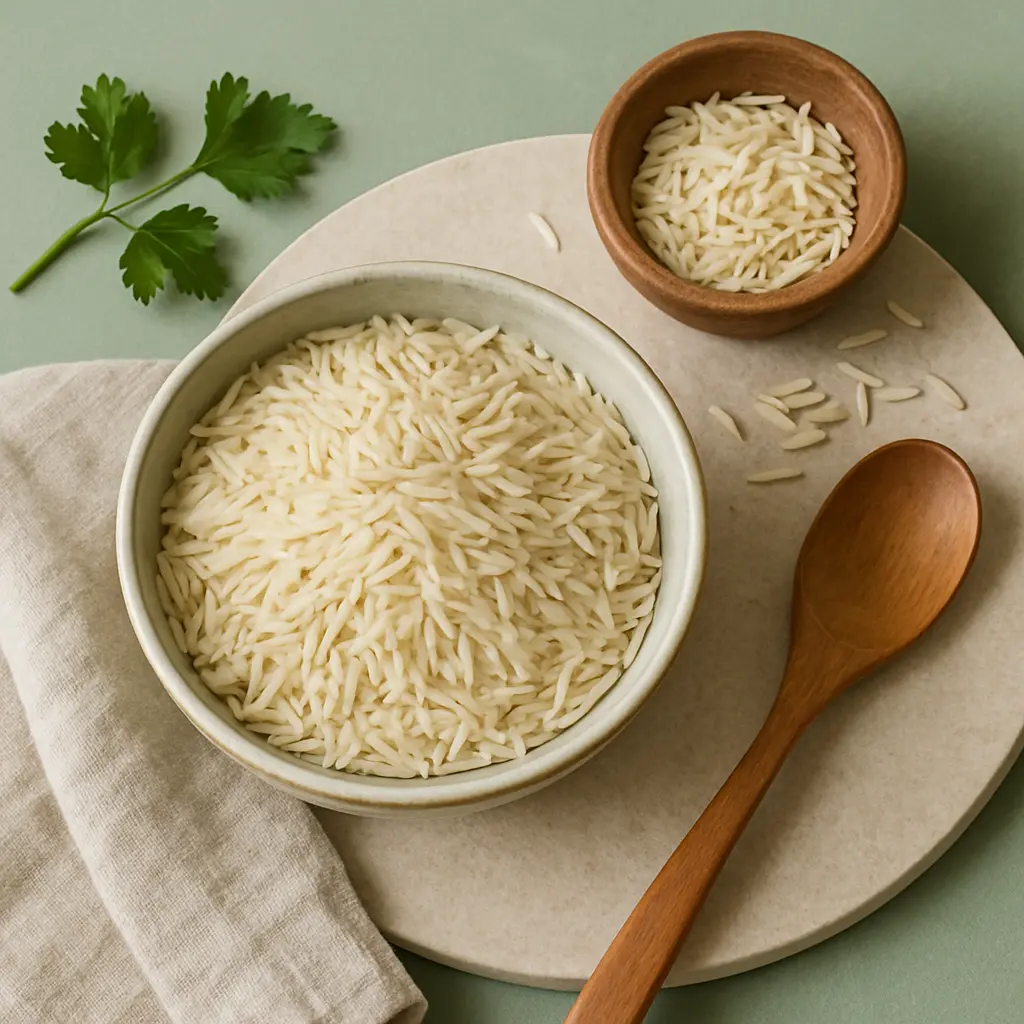
Exploring Basmati Rice: A Culinary Treasure from the Indian Subcontinent
In this page
Basmati rice, renowned for its unique aroma and elongated grains, has been a staple of South Asian cuisine for thousands of years. This article delves into the fascinating history of basmati rice, its distinctive culinary properties, and its nutritional benefits. We will explore the traditional methods of production, the strict market regulations ensuring its authenticity, and its role in a balanced diet. Understanding basmati rice’s place in gastronomy and agriculture can enhance your appreciation of this exceptional grain.

Scientific Background and General Context
Basmati rice belongs to the species Oryza sativa var. indica, a group of long-grain rice varieties primarily cultivated in the Indian subcontinent, encompassing regions of modern-day India and Pakistan. The term “basmati” is derived from the Sanskrit word “vasayati,” meaning “fragrant” or “aromatic,” which aptly describes the rice’s defining characteristic.In the realm of botany and genetics, basmati rice is closely related to other long-grain varieties, yet it stands out due to its unique properties. These include its notable aroma, attributed to the presence of a compound called 2-acetyl-1-pyrroline, and its low starch content, resulting in less stickiness compared to other rice varieties. These qualities have made basmati rice a preferred choice in various cultural and culinary contexts, where its flavor profile is celebrated and its cooking versatility appreciated.
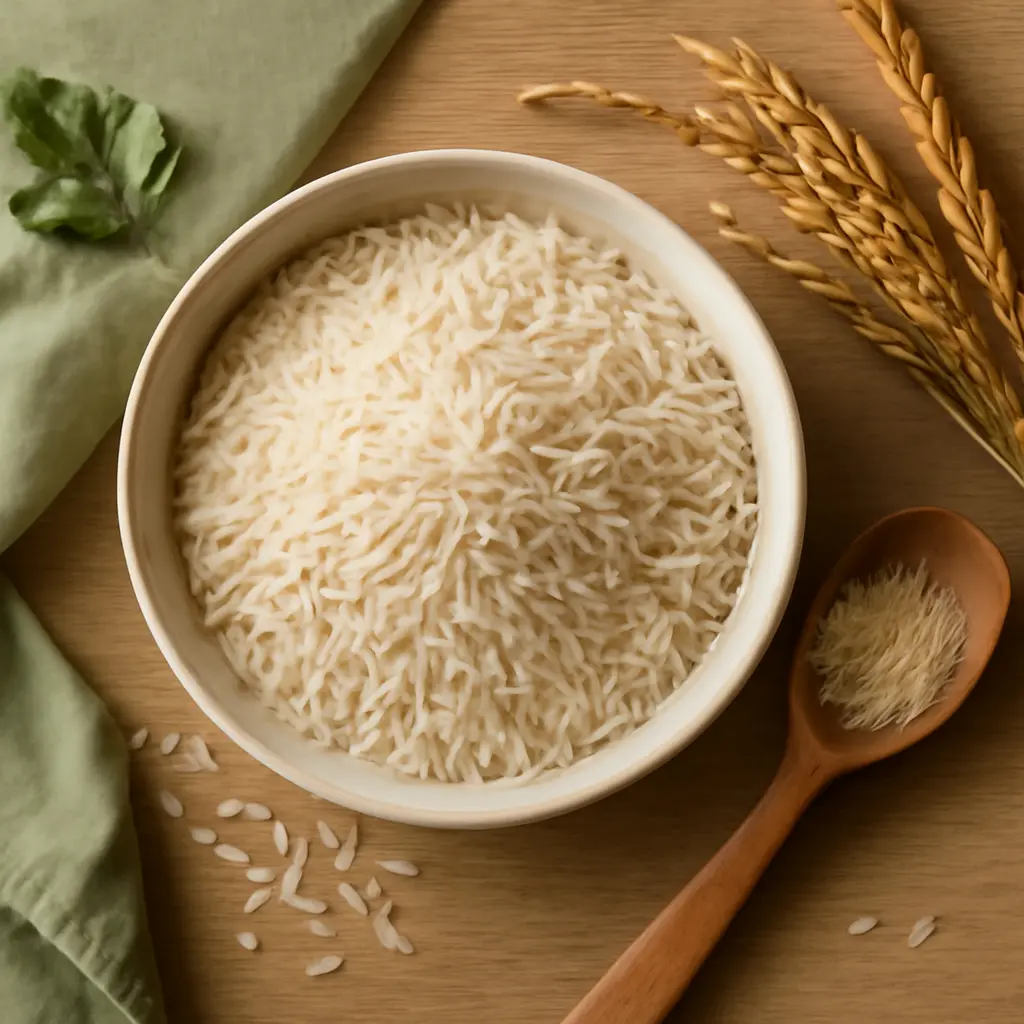
History of Basmati Rice
Ancient Cultivation Traces
The cultivation of rice in South Asia dates back to approximately 5000–4000 BCE, as confirmed by archaeological findings in the Indus Valley, encompassing areas of present-day India and Pakistan. Medieval texts, including Persian chronicles from the 12th and 13th centuries, mention basmati rice as a “fragrant rice” favored by royal kitchens and traded extensively.
Symbol of Prestige and Culinary Sophistication
During the Mughal era (16th–18th centuries), basmati rice became an emblem of culinary sophistication and prestige. Emperor Akbar (1542–1605) and Shah Jahan (1592–1666) were known to favor basmati, overseeing its cultivation in the Punjab and Uttar Pradesh regions, which remain key production areas today. Its use in courtly dishes elevated its status, further embedding its cultural significance.
Culinary Characteristics of Basmati Rice
Low Stickiness
Basmati rice’s culinary attributes differentiate it from other rice varieties. Its high content of volatile compounds, particularly 2-acetyl-1-pyrroline, imparts a distinctive aroma. During cooking, basmati rice elongates by up to 50%, maintaining a fluffy texture due to its low amylose content, which contributes to reduced stickiness.
Cooking Methodologies
Basmati rice is integral to South Asian and Middle Eastern cuisines, featuring in aromatic biryanis, light pilafs, and classic daal chawal, as well as Persian tahdig with its crispy crust and Indian jeera rice flavored with cumin. It is typically cooked using the absorption method, with a rice-to-water ratio of 1:1.5–2, following thorough rinsing to remove excess starch.
Comparison with Other Rice Varieties
Among rice varieties, basmati is distinguished by its physical and sensory properties. It grows as an annual grass, with slender stalks reaching up to 5 feet, narrow leaves, and drooping panicles. Its cultivation is concentrated in the tropical and subtropical regions of South and Southeast Asia. It shares its long-grain category with other indica varieties like jasmine rice, while japonica varieties like arborio and sushi rice are shorter or medium-grained.
Production of Basmati Rice
Traditional basmati rice cultivation involves irrigation systems reliant on the Indus and Ganges rivers, which deposit mineral-rich sediments conducive to plant growth. The rice undergoes a lengthy maturation process, post-harvest aging from several months to two years, enhancing its aroma and cooking qualities. This maturation is a key factor in basmati rice’s distinction from other long-grain rice varieties.
Market Regulations
The basmati rice market is subject to stringent regulations ensuring quality and authenticity. In 1997, India sought protected designation of origin status for basmati, leading to trade disputes with Pakistan, another major producer. In 2016, the European Union recognized India’s geographical indication for basmati, a move that sparked controversy among Pakistani exporters.Currently, organizations such as the Agricultural and Processed Food Products Export Development Authority (APEDA) in India and the Rice Exporters Association of Pakistan (REAP) in Pakistan monitor production, export, and quality standards to prevent counterfeiting and ensure compliance with international norms.
Nutritional Value of Basmati Rice
Carbohydrates in Basmati Rice
Basmati rice offers a robust nutritional profile, making it a valuable component of a healthy diet, especially for endurance athletes. Carbohydrates constitute approximately 75–80% of its dry mass, primarily as starch. Its higher amylose content compared to regular white rice results in a fluffier texture after cooking, contributing to slower digestion and blood sugar stabilization.
Protein Content
Proteins account for 7–9% of basmati rice’s dry mass. However, its amino acid profile is incomplete, necessitating its consumption with other protein-rich foods, such as meats, eggs, dairy, or legumes, to ensure a balanced intake of essential amino acids.
Fat Content
Basmati rice is low in fat, containing about 0.5–1 g of fat per 100 g of dry product, predominantly unsaturated fatty acids. This makes it easily digestible and light on the digestive system, contributing to its appeal as a dietary staple.
Daily Use and Lifestyle Applications
Basmati rice suits various dietary needs and preferences, offering versatility in meal preparation. It pairs well with a range of spices, vegetables, and proteins, making it an excellent choice for balanced meals. Its low glycemic index is particularly advantageous for those managing blood sugar levels, and its digestibility is beneficial for individuals with sensitive digestive systems.Furthermore, basmati rice’s cultural and culinary significance can encourage exploration of diverse cuisines and cooking techniques, enriching one’s culinary repertoire and promoting a diet that is both healthful and enjoyable.
Balanced Perspective and Safety
While basmati rice is a nutritious and flavorful dietary choice, moderation is key, as with any carbohydrate-rich food. Balancing rice consumption with a variety of other grains and food groups can ensure a well-rounded diet. It’s also essential to be mindful of portion sizes, particularly for individuals monitoring their carbohydrate intake.Incorporating basmati rice into a diverse, nutrient-dense diet can contribute to overall wellness. As always, consulting with a healthcare provider or nutritionist can provide personalized guidance tailored to individual nutritional needs and health goals.Basmati rice is more than just a culinary delight; it’s a testament to the rich agricultural and cultural history of the Indian subcontinent. Its unique properties and nutritional benefits make it a valuable addition to a balanced diet, offering both flavor and nourishment.


