
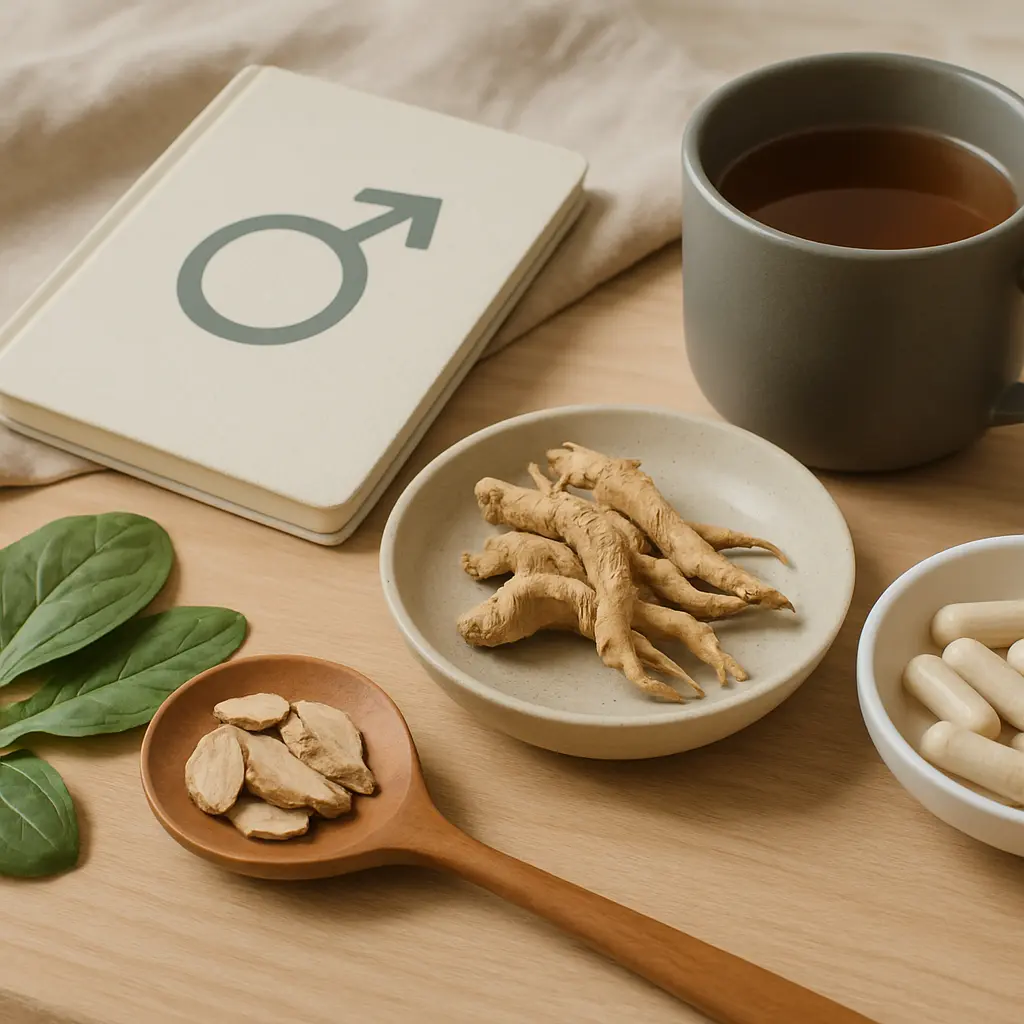
Understanding Male Libido: Key Factors and Natural Enhancements
In this page
The concept of libido, commonly understood as sexual desire or drive, is a significant aspect of male sexual function and overall health. This blog post delves into the scientific understanding of libido, focusing on how hormonal balance, particularly testosterone, plays a crucial role. Additionally, we explore various natural ways to enhance libido, including the use of aphrodisiacs and lifestyle changes. While addressing the complexities of libido, we emphasize the importance of a balanced perspective and safety considerations.
Scientific Background and General Context
Libido, the intrinsic drive towards sexual activity, is a fundamental part of human sexuality. In men, it is a key component alongside erection, orgasm, and ejaculation. The American Psychiatric Association has recognized a decline in libido as a medical condition termed Male Hypoactive Sexual Desire Disorder (MHSDD). Affecting approximately 10-15% of men, MHSDD becomes more prevalent with age. Understanding the biological and psychological factors that contribute to libido is essential for addressing this condition effectively.Testosterone, the primary male sex hormone, is often referred to as the “fuel” for male libido. It influences not only sexual desire but also overall energy levels and mood. Various factors, such as aging, metabolic disorders, certain medications, and psychological conditions like anxiety and depression, can lead to decreased testosterone levels and, consequently, reduced libido. While other hormones, such as prolactin, can also affect libido, testosterone remains the most significant player.
Daily Use and Lifestyle Applications
Enhancing libido naturally involves a holistic approach that includes diet, exercise, and stress management. Regular physical activity helps boost testosterone levels, improve mood, and enhance overall well-being. A balanced diet rich in vitamins, minerals, and healthy fats supports hormonal balance and energy levels, essential components of a healthy libido.Stress reduction techniques, such as mindfulness, yoga, and adequate sleep, contribute to better hormonal regulation and reduce factors that might negatively impact sexual desire. Furthermore, open communication with partners and maintaining a supportive relationship can play a crucial role in addressing libido-related challenges.
Hormonal Influences: Testosterone and Estradiol
While testosterone is pivotal to male libido, its interplay with other hormones like estradiol is equally important. Estradiol, although primarily associated with female reproductive health, is derived from testosterone through the enzyme aromatase and influences male sexual function. Some research suggests that it is the brain’s conversion of testosterone to estradiol that stimulates libido, rather than testosterone itself.However, using estradiol as a therapeutic agent for enhancing libido in men is not advisable due to potential side effects that outweigh benefits. Instead, focusing on maintaining healthy testosterone levels through lifestyle modifications and, if necessary, medical interventions is a more viable approach.
Natural Aphrodisiacs: Myth and Reality
Aphrodisiacs, derived from plants or other natural sources, have been used throughout history to enhance sexual desire. While many traditional aphrodisiacs lack scientific validation, some have shown promise in clinical studies. Here are a few notable examples:
Ginseng
Ginseng, both Asian and American variants, is renowned for its libido-enhancing properties. It has shown potential in increasing testosterone levels and reducing prolactin, thereby positively impacting sexual desire.
Tribulus Terrestris
This herb is commonly used as a “testosterone booster.” Studies indicate that it can enhance libido by increasing testosterone levels in the blood, leading to improved sexual desire and function.
Maca Root
Native to the Andes, maca has been traditionally used for its aphrodisiac properties. Clinical trials suggest that maca can enhance libido independently of hormonal changes, indicating its unique mechanism of action.
Ashwagandha
Prominent in Ayurvedic medicine, ashwagandha is believed to support sexual health. Research indicates it can increase testosterone levels and improve overall sexual desire.
Fenugreek
This herb has been shown to positively influence libido and maintain healthy testosterone levels, offering support for various physiological aspects of sexual health.
Balanced Perspective and Safety
While natural supplements and lifestyle changes can support libido, it is crucial to approach these solutions with a balanced perspective. Not all natural remedies are free from side effects, and individuals must consult healthcare professionals before starting any new supplement regimen. Additionally, combining aphrodisiacs with aromatase inhibitors, such as resveratrol or extracts from green tea, may reduce their efficacy.It’s essential to prioritize safety and scientific evidence when considering any treatment for low libido. Engaging in regular health check-ups and hormone evaluations can help identify any underlying conditions contributing to a decline in sexual desire.
Conclusion
Libido is a complex interplay of hormonal, psychological, and lifestyle factors. While testosterone remains a central component, it is not the sole determinant of sexual desire. Understanding the multifaceted nature of libido and employing comprehensive strategies that include natural enhancements, lifestyle modifications, and professional guidance can help maintain a healthy sexual drive and overall well-being. Always consult with healthcare professionals to ensure safe and effective management of libido-related concerns.


