Where Does Threonine Come From?
In this page
Threonine is an essential amino acid integral to various physiological processes in the human body. This article explores the origins of threonine, highlighting its natural sources, its presence in dietary supplements, and the body’s synthesis mechanisms. We will also discuss factors influencing threonine absorption to provide a comprehensive understanding of this crucial nutrient. Our aim is to deliver an informative, balanced perspective grounded in scientific consensus.
Introduction to Threonine
Threonine is one of the nine essential amino acids, meaning it must be obtained through diet as the human body cannot synthesize it on its own. It plays a pivotal role in protein synthesis and supports the functioning of the immune system, liver, and central nervous system. Threonine is vital for maintaining skin and connective tissue health as it is a precursor for glycine and serine—amino acids necessary for collagen production.
Furthermore, threonine is involved in lipid metabolism, preventing fat accumulation in the liver. This essential amino acid is also a component of tooth enamel and plays roles in neurological health, affecting mood and cognitive functions. Given these diverse functions, adequate threonine intake is critical for maintaining overall health and wellness.
Natural Sources of Threonine
Threonine can be found in various dietary sources, both animal-based and plant-based. A balanced diet generally provides sufficient threonine for most individuals, though factors such as dietary restrictions or increased physiological demands may necessitate closer attention to intake.
Animal-Based Sources
Animal products are rich sources of threonine, providing it in a form that is readily usable by the human body. High-protein foods like meat, poultry, and fish are excellent sources. Chicken breast, turkey, and lean cuts of beef are particularly high in threonine. Additionally, eggs and dairy products, including milk, cheese, and yogurt, offer substantial amounts of this amino acid. These animal-based sources are complete proteins, meaning they contain all essential amino acids, including threonine, in balanced proportions.
Plant-Based Sources
For those following plant-based diets, legumes, nuts, and seeds are valuable sources of threonine. Soy products, such as tofu and tempeh, are particularly notable for their high threonine content. Lentils, chickpeas, and black beans also contribute significantly to threonine intake. Whole grains like quinoa and oats, as well as nuts such as almonds and walnuts, provide additional threonine, supporting the needs of vegetarians and vegans. While plant-based sources may not have the same amino acid balance as animal-based ones, a diverse and well-planned diet can meet essential amino acid requirements.
Threonine in Supplements
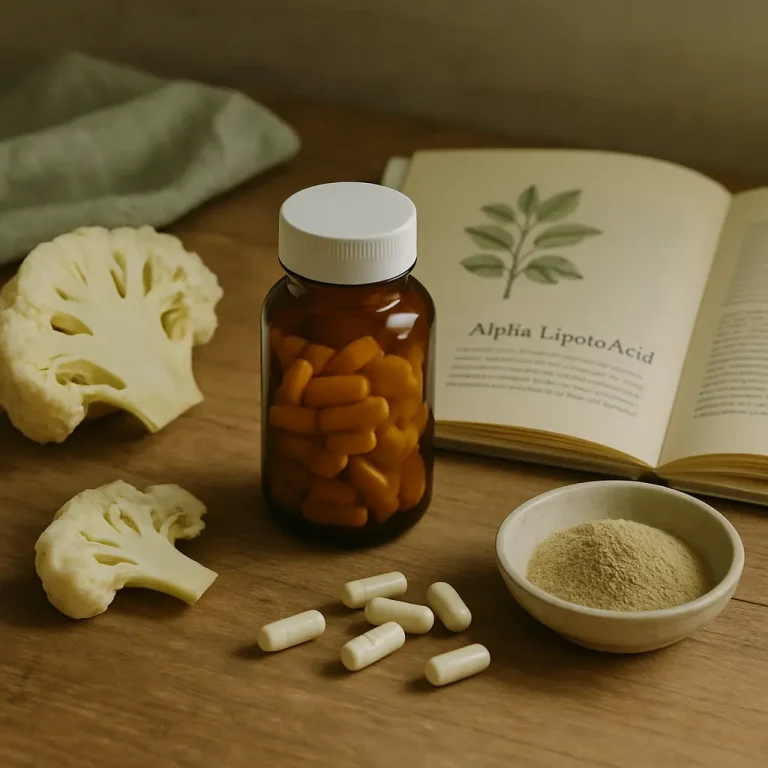
Dietary supplements containing threonine are available for individuals who may struggle to meet their nutritional needs through food alone. These supplements can come in various forms, including powders, capsules, and tablets. They are often used in the context of specific dietary requirements, such as veganism, or for athletes and bodybuilders who may have increased amino acid needs due to intense physical activity.
While threonine supplements can be beneficial in ensuring adequate intake, it is important to use them judiciously. Overconsumption of amino acids from supplements can lead to imbalances and potential health issues. Therefore, it is advisable to consult healthcare professionals before starting any supplement regimen, ensuring it aligns with individual health needs and goals.
The Synthesis of Threonine in the Body
While the human body cannot synthesize threonine, it is interesting to note how it is metabolized once ingested. Threonine undergoes several metabolic pathways. One significant process is its conversion into glycine and serine, which are crucial for collagen production. Additionally, threonine supports the synthesis of other biomolecules, such as threonine dehydratase, which plays a role in energy production.
The metabolism of threonine is complex and involves various enzymatic reactions. These processes illustrate the body’s efficiency in utilizing dietary threonine, emphasizing the importance of maintaining adequate intake to support these essential functions. Understanding how threonine is processed highlights its multifaceted role in maintaining health.
Factors Affecting Threonine Absorption
Several factors can influence the absorption and utilization of threonine in the body. The presence of other nutrients is one such factor; for instance, vitamin B6 is a co-factor in amino acid metabolism, and its deficiency can impair threonine utilization. Additionally, the balance of other amino acids in the diet can impact threonine absorption, as competition for absorption sites exists among amino acids.
Digestive health also plays a critical role in nutrient absorption. Conditions affecting the gastrointestinal tract, such as celiac disease or inflammatory bowel disease, can hinder the absorption of threonine and other nutrients. Moreover, age, physical activity level, and overall health status can affect dietary needs and nutrient absorption.
Ensuring a balanced diet, adequate vitamin intake, and maintaining digestive health are crucial strategies for optimizing threonine absorption and utilization. In cases where absorption is compromised, consulting healthcare professionals for tailored dietary advice is recommended.
Conclusion
Threonine is an essential amino acid with diverse roles in human health, from protein synthesis to neurological function. Obtained predominantly from dietary sources, both animal-based and plant-based options offer ample threonine. Supplements can provide additional support for those with increased needs or dietary restrictions. Understanding threonine metabolism and factors affecting its absorption can aid in maintaining optimal levels, ensuring the body functions efficiently.
Frequently Asked Questions (FAQs)
What are the best dietary sources of threonine?
Animal products like chicken, turkey, and fish are rich in threonine. Plant-based sources include soy products, legumes, nuts, and whole grains.
Can I take threonine supplements?
Yes, threonine supplements are available but should be used under professional guidance to avoid imbalances and health issues.
How does threonine benefit the body?
Threonine supports protein synthesis, immune function, liver health, and neurological processes. It’s also a precursor for amino acids involved in collagen production.
What factors affect threonine absorption?
Vitamin B6 levels, digestive health, dietary amino acid balance, and overall health status can influence threonine absorption and utilization.
Is it possible to get enough threonine on a plant-based diet?
Yes, with careful planning and a diverse intake of legumes, nuts, seeds, and grains, vegetarians and vegans can meet their threonine requirements.
This article is for informational purposes only and does not constitute medical advice. Always consult a registered dietitian or healthcare provider before starting any supplement regimen.