Let's Shape The Future Of Your Investments!
Natoque iaculis cursus augue urna commodo aptent morbi tortor porttitor quis ornare.


Inositol, often referred to as vitamin B8, is a naturally occurring compound with a variety of important functions in the human body. This article provides a comprehensive look at inositol, exploring its chemical structure, types, health benefits, recommended dosages, and potential deficiency signs. We’ll also delve into the research supporting its efficacy, offering a balanced perspective on its role in maintaining health and well-being.
Inositol is a carbohydrate that is found abundantly in the brain and other mammalian tissues. It is structurally similar to glucose and plays a crucial role in cell signaling and the formation of cell membranes. While it is often referred to as a vitamin, inositol is not an essential nutrient as it can be synthesized by the human body. However, it is still an important component of a healthy diet, especially given its potential benefits in mental health, metabolic processes, and more.
Inositol is a cyclic sugar alcohol with nine distinct stereoisomers, which means it can exist in multiple structural forms that differ in the arrangement of atoms. The most common and biologically significant forms are myo-inositol and D-chiro-inositol. Myo-inositol is the predominant form found in human cells. Its chemical formula is C6H12O6, similar to that of glucose, highlighting its carbohydrate nature.
These isomers play different roles in the body, with myo-inositol being crucial in cellular signaling and osmoregulation, while D-chiro-inositol is involved in insulin signaling and metabolic processes. Understanding these different types helps in determining the specific health benefits and potential applications of inositol supplementation.
Inositol is known to influence brain health by participating in neurotransmitter pathway modulation. It has been studied for its effects on mental health conditions such as anxiety, depression, and panic disorders. Inositol helps in the production of serotonin, a neurotransmitter that greatly influences mood and anxiety levels. Evidence suggests that inositol supplementation can have a positive impact on reducing symptoms associated with these conditions, offering a natural complement to traditional treatments.
Inositol has garnered attention for its potential benefits in women’s health, particularly in addressing polycystic ovary syndrome (PCOS). This condition is characterized by hormonal imbalances, insulin resistance, and ovulatory dysfunction. Myo-inositol and D-chiro-inositol have been studied for their ability to restore ovarian function, improve metabolic markers, and enhance fertility in women with PCOS. The combination of these inositol forms may help regulate menstrual cycles and support reproductive health.
Inositol plays a role in metabolic processes, particularly concerning insulin sensitivity and lipid metabolism. It has been observed to improve insulin sensitivity in individuals with insulin resistance, a precursor to type 2 diabetes. Through its involvement in signaling pathways, inositol may help reduce blood sugar levels and improve other metabolic parameters such as cholesterol and triglyceride levels, contributing to overall metabolic health.
The recommended dosage of inositol varies depending on the health goals and individual needs. For general health and maintenance, a common dose is around 500 mg to 2 g per day. However, higher doses ranging from 12 g to 18 g per day have been used in clinical settings for specific conditions like anxiety or PCOS.
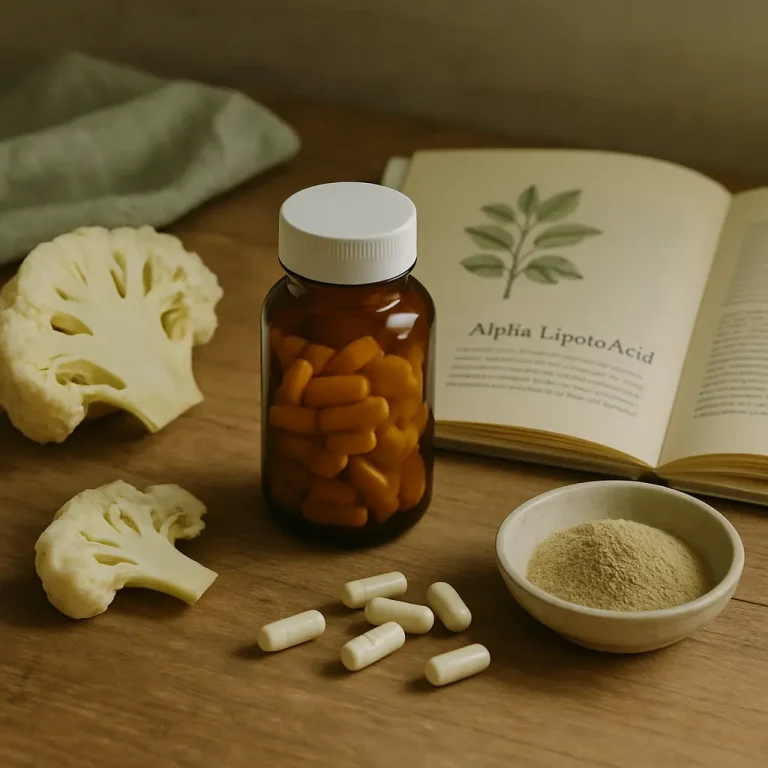
Inositol can be obtained from dietary sources as well as through supplements. Foods rich in inositol include whole grains, citrus fruits, nuts, seeds, and legumes. Supplements are available in various forms, such as powders and capsules, offering flexibility in meeting specific dosage requirements.
While inositol is not classified as an essential dietary nutrient, suboptimal levels can have noticeable effects. Signs of potential deficiency may include mood disturbances, cognitive impairments, and symptoms associated with insulin resistance. Individuals experiencing such symptoms might benefit from assessing their inositol intake through diet and supplementation, particularly if they have a higher risk of inositol depletion due to stress or poor dietary habits.
A growing body of research supports the potential benefits of inositol in various health domains. Clinical studies have demonstrated its efficacy in improving mental health outcomes, aiding in the management of PCOS, and enhancing metabolic health indicators. Animal studies and human trials continue to explore the broader applications of inositol, offering promising insights into its therapeutic roles. Ongoing research endeavors aim to further substantiate these findings and establish clear guidelines for its use in clinical practice.
Inositol is a versatile compound with numerous health benefits, particularly in mental health, women’s health, and metabolic processes. While it can be synthesized by the body, dietary intake and supplementation offer additional support. Understanding the types, benefits, and recommended dosages of inositol can help individuals optimize their health and address specific health concerns effectively. As research continues to evolve, inositol remains a valuable component in the pursuit of a balanced and healthy lifestyle.
For those interested in delving deeper into the science and applications of inositol, numerous peer-reviewed journals, clinical studies, and reliable health information websites are available. These resources can provide additional insights and data on the efficacy, safety, and ongoing research related to inositol and its impact on health.
This article is for informational purposes only and does not constitute medical advice. Always consult a registered dietitian or healthcare provider before starting any supplement regimen.