What Happens if You Get Too Much Vitamin K
In this page
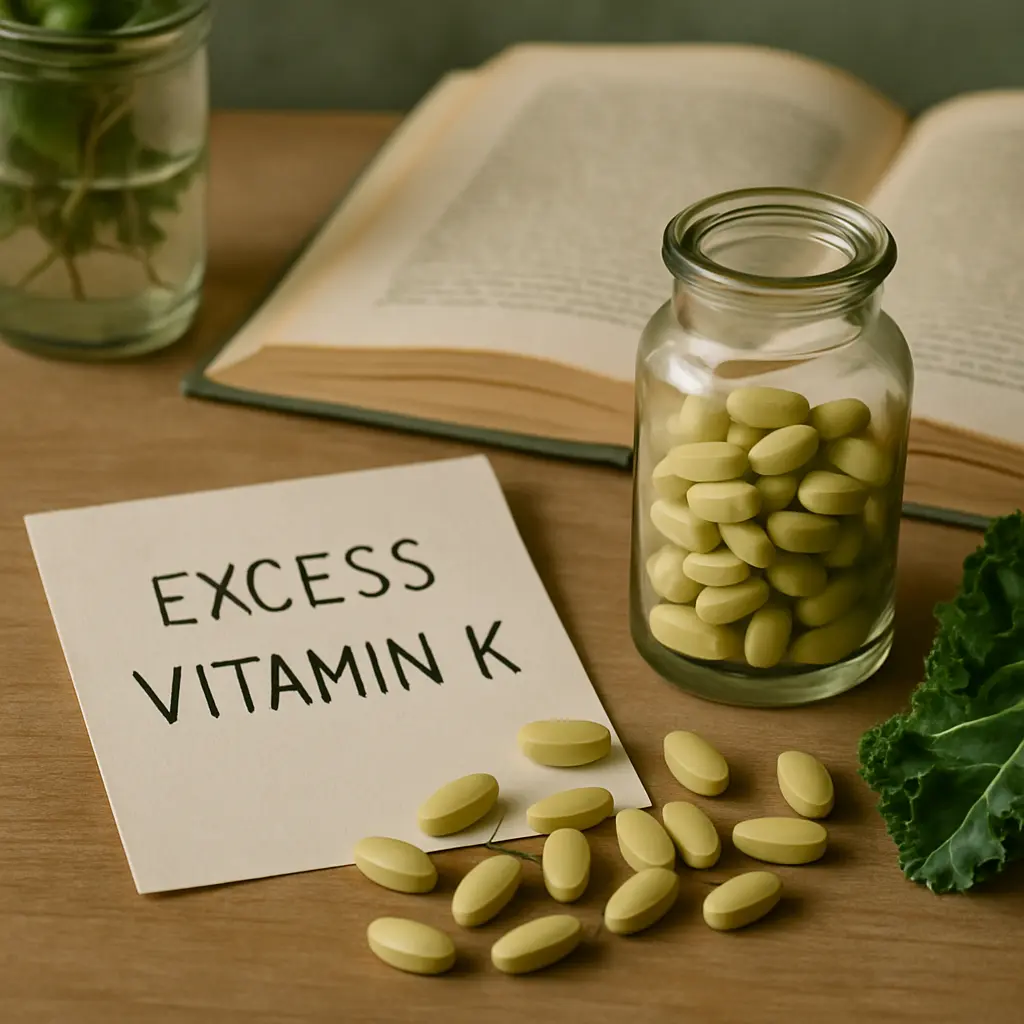
Vitamin K, a crucial nutrient for various bodily functions, plays an integral role in blood clotting and bone health. While essential for our well-being, it’s important to maintain a balanced intake of this vitamin to avoid potential health risks. This article delves into the significance of vitamin K, its sources, and what happens when you consume it in excess. We will explore the symptoms, health risks, and management strategies related to high vitamin K intake, providing you with the information needed to maintain a healthy balance.
Introduction to Vitamin K
Vitamin K is a fat-soluble vitamin that is vital for the synthesis of proteins required for blood coagulation and bone metabolism. There are two main types of vitamin K: vitamin K1 (phylloquinone) and vitamin K2 (menaquinones). Vitamin K1 is predominantly found in plant-based foods, such as green leafy vegetables, while K2 is found in animal products and fermented foods.
Although vitamin K deficiencies are rare, they can lead to increased bleeding and bruising. Therefore, ensuring an adequate intake is important for maintaining good health. However, it is equally crucial not to exceed the recommended levels without medical supervision, as excessive intake may result in adverse health effects.
The Role of Vitamin K in the Body
Vitamin K is primarily known for its role in blood coagulation. It assists in the formation of various proteins needed for blood clotting, which is essential in preventing excessive bleeding when injuries occur. Moreover, vitamin K is involved in bone health by contributing to the regulation of calcium levels in the bone and blood.
This vitamin also supports cardiovascular health by preventing calcification of blood vessels, which can lead to atherosclerosis. Recent studies suggest that vitamin K may play a role in maintaining cognitive health as well, although more research is needed in this area.
Sources of Vitamin K
Vitamin K is readily available through a balanced diet. Some of the richest sources include:
- Leafy Green Vegetables: Spinach, kale, and broccoli are excellent sources of vitamin K1.
- Animal Products: Liver, eggs, and certain cheeses provide vitamin K2.
- Fermented Foods: Natto, a traditional Japanese food made from fermented soybeans, is particularly high in vitamin K2.
- Vegetable Oils: Soybean and canola oils are also sources of vitamin K.
A varied diet usually provides sufficient vitamin K, but supplements are available for those who may not get enough from food alone.
Symptoms of Excessive Vitamin K Intake
While vitamin K toxicity is rare due to its low toxicity level, excessive intake might lead to several symptoms:
- Skin Reactions: Excessive vitamin K can cause rashes or hives.
- Digestive Discomfort: Nausea, vomiting, and diarrhea might occur if intake is beyond the body’s handling capacity.
- Jaundice: Rarely, excess vitamin K can cause liver dysfunction, leading to jaundice.
It’s important to recognize these symptoms and address them promptly to prevent further complications.
Health Risks Associated with Too Much Vitamin K
While vitamin K is crucial for health, too much of it can pose risks, particularly for individuals with certain conditions or those taking specific medications.
Interference with Medications
Vitamin K can interfere with anticoagulant medications, such as warfarin, which are prescribed to prevent blood clots. Since these medications work by thinning the blood, high levels of vitamin K can counteract their effects, increasing the risk of blood clot formation. Therefore, individuals on anticoagulants must manage their vitamin K intake carefully and maintain consistent dietary levels.
Potential for Allergic Reactions and Sensitivity
Although rare, some individuals may experience allergic reactions to vitamin K, particularly when administered in supplement form. Symptoms might include itching, swelling, or difficulty breathing, requiring immediate medical attention. It’s vital to consult a healthcare professional before starting any new vitamin K supplements.
Managing Vitamin K Intake
To ensure balanced vitamin K levels, consider the following strategies:
- Dietary Balance: Incorporate a variety of vitamin K-rich foods into your diet, but avoid excessive consumption of any single source.
- Monitor Supplement Use: Only use vitamin K supplements if recommended by a healthcare provider, particularly if you are on medications that interact with this vitamin.
- Regular Health Check-ups: Regular visits to a healthcare provider can help monitor your vitamin K status and adjust your diet as necessary.
By adhering to these practices, you can enjoy the benefits of vitamin K without inadvertently exceeding safe levels.
When to Seek Medical Advice
If you suspect that you may have consumed too much vitamin K, or if you experience symptoms such as unusual bruising, excessive bleeding, or allergic reactions, it is important to seek medical advice promptly. A healthcare professional can provide guidance on managing your intake and assess whether any adjustments to your diet or medications are needed.
Additionally, individuals with liver disease, those on anticoagulants, or those with a history of vitamin K sensitivity should regularly consult with their healthcare provider to ensure safe vitamin K consumption.
Conclusion
Vitamin K is a vital nutrient that supports essential bodily functions, particularly blood clotting and bone health. While deficiencies are rare, maintaining a balanced intake is crucial to avoid potential adverse effects. Excessive vitamin K intake can interfere with medications, cause digestive discomfort, and potentially lead to allergic reactions. By incorporating varied sources of vitamin K into your diet, monitoring supplement use, and seeking medical advice when necessary, you can maintain optimal health and well-being.
Frequently Asked Questions (FAQs)
What is the recommended daily intake of vitamin K?
The recommended daily intake varies by age and gender. For adult men, it is approximately 120 micrograms (mcg) per day, while for adult women, it is around 90 mcg. Consult your healthcare provider for personalized recommendations.
Can I get enough vitamin K from my diet alone?
Yes, a balanced diet that includes a variety of leafy greens, animal products, and fermented foods typically provides sufficient vitamin K for most individuals.
Is it possible to overdose on vitamin K from food sources?
Vitamin K toxicity from food sources is rare. However, high-dose supplements could lead to excessive intake, so it is crucial to consult with a healthcare provider before using them.
Are there any interactions between vitamin K and other vitamins or minerals?
Vitamin K works synergistically with vitamin D and calcium for bone health. However, high vitamin K intake can interfere with anticoagulant medications, so balance and monitoring are key.
This article is for informational purposes only and does not constitute medical advice. Always consult a registered dietitian or healthcare provider before starting any supplement regimen.