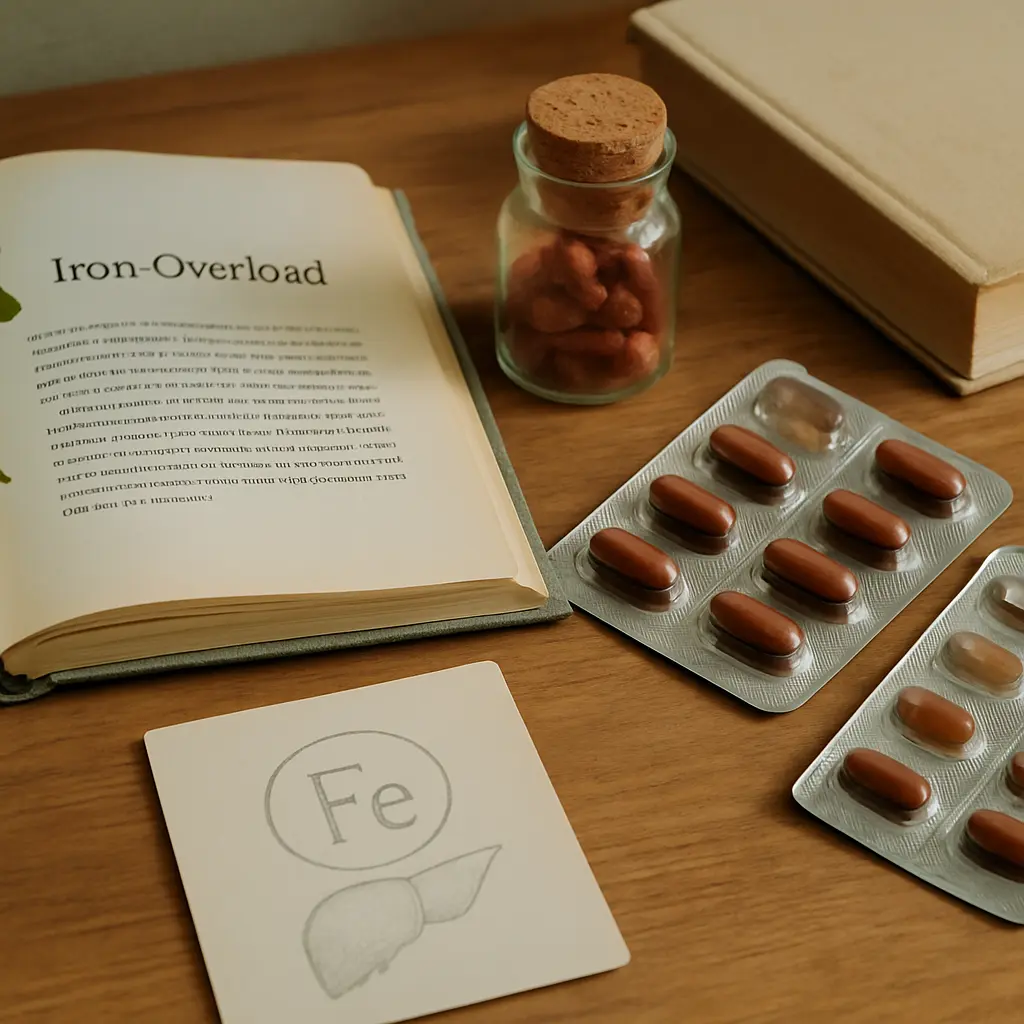
What Happens if You Get Too Much Iron?
In this page
Iron is an essential mineral that plays a crucial role in various bodily functions, including the transportation of oxygen via the blood. However, like many nutrients, it is important to maintain a balance, as both deficiency and excess can lead to significant health issues. This article explores the consequences of having too much iron in the body, the potential causes and symptoms, and the strategies for managing and preventing iron overload effectively.
Introduction to Iron and Its Role in the Body
Iron is a vital component of hemoglobin, a protein in red blood cells responsible for carrying oxygen from the lungs to the rest of the body. It supports various enzymatic processes, contributes to immune function, and plays a role in the synthesis of certain hormones. The body typically regulates iron levels through absorption, storage, and recycling processes to meet physiological needs.
Despite its importance, iron levels must be carefully balanced. The recommended daily intake varies depending on age, gender, and life stage, with adult men and postmenopausal women generally requiring about 8 mg per day, while premenopausal women need about 18 mg daily due to menstruation. It is primarily obtained through dietary sources like red meat, poultry, fish, lentils, and fortified cereals.
Understanding Iron Overload
Iron overload, or hemochromatosis, occurs when there is an excessive accumulation of iron in the body, leading to potential toxicity. The body has no active means to excrete excess iron, meaning that any surplus is deposited in organs and tissues, potentially causing damage over time.
Causes of Excess Iron
Several factors can lead to iron overload. Hereditary hemochromatosis, a genetic disorder, is the most common cause, particularly in individuals of Northern European descent. It causes the body to absorb more iron than necessary from food. Other causes include excessive iron supplementation, frequent blood transfusions (often needed in conditions like thalassemia or sickle cell anemia), and certain liver diseases that disrupt normal iron processing.
Symptoms of Iron Overload
Detecting iron overload can be challenging, as early symptoms are often nonspecific and easily attributed to other conditions. Common symptoms include fatigue, joint pain, abdominal pain, and unexplained weight loss. As iron accumulation progresses, more serious symptoms can develop, such as skin discoloration (often described as a bronze or gray hue), heart issues, liver dysfunction, and diabetes.
Potential Health Risks and Complications
Long-term iron overload can lead to severe health complications. It is essential to understand these risks to manage and mitigate the condition effectively.
The Impact on Specific Organs
- Liver: The liver is particularly vulnerable, as it stores the most iron. Over time, excessive iron can cause liver inflammation, fibrosis, and eventually cirrhosis or liver cancer.
- Heart: Iron deposits can weaken heart muscles, leading to conditions such as congestive heart failure and arrhythmias.
- Pancreas: Damage to the pancreas may result in diabetes mellitus, often referred to as “bronze diabetes” due to the associated skin discoloration.
- Joints: Iron can accumulate in joints, causing arthritis-like symptoms, particularly in the knuckles and knees.
Diagnosis and Testing for Iron Overload
Early diagnosis of iron overload is critical to prevent irreversible organ damage. Routine blood tests are the first step, measuring serum ferritin and transferrin saturation levels to assess iron stores and transport. Elevated levels often warrant further investigation.
Who is at Risk?
Individuals with a family history of hemochromatosis, those receiving frequent blood transfusions, and people with certain chronic liver diseases are at increased risk for iron overload. Additionally, postmenopausal women and men over the age of 50 are more susceptible due to decreased natural iron loss.
Managing Iron Levels Effectively
Managing iron overload typically involves reducing iron intake and removing excess iron from the body. Dietary modifications are an initial step, focusing on reducing foods high in iron, particularly heme iron from animal sources. Alcohol consumption should also be limited, as it can exacerbate liver damage.
Medical treatments include phlebotomy, or blood removal, to reduce iron levels gradually. Chelation therapy, which uses medication to bind and excrete iron, may be prescribed for those who cannot undergo phlebotomy. Regular monitoring of iron levels and organ function is crucial to assess treatment efficacy and prevent complications.
Preventing Iron Overload
For those at risk, regular screening is vital to catch early signs of iron accumulation. Genetic testing can identify individuals with hereditary hemochromatosis, enabling proactive monitoring and lifestyle adjustments to prevent symptom onset.
A balanced diet that considers both iron intake and inhibitors like calcium, which can reduce iron absorption, can help maintain healthy iron levels. Consulting with a healthcare provider before starting iron supplements is essential, especially for those not at risk of deficiency.
Conclusion
Iron is a fundamental mineral necessary for life, but excessive amounts can lead to significant health issues. Understanding the causes, symptoms, and risks associated with iron overload is crucial for early detection and effective management. By maintaining a balanced diet, monitoring at-risk individuals, and employing medical interventions when necessary, it is possible to manage iron levels and protect overall health.
References and Further Reading
For a deeper understanding of iron overload and its implications, consider exploring reputable sources such as the National Institutes of Health, the American Liver Foundation, and peer-reviewed medical journals. These resources can provide comprehensive information and the latest research findings on this important health topic.
This article is for informational purposes only and does not constitute medical advice. Always consult a registered dietitian or healthcare provider before starting any supplement regimen.