
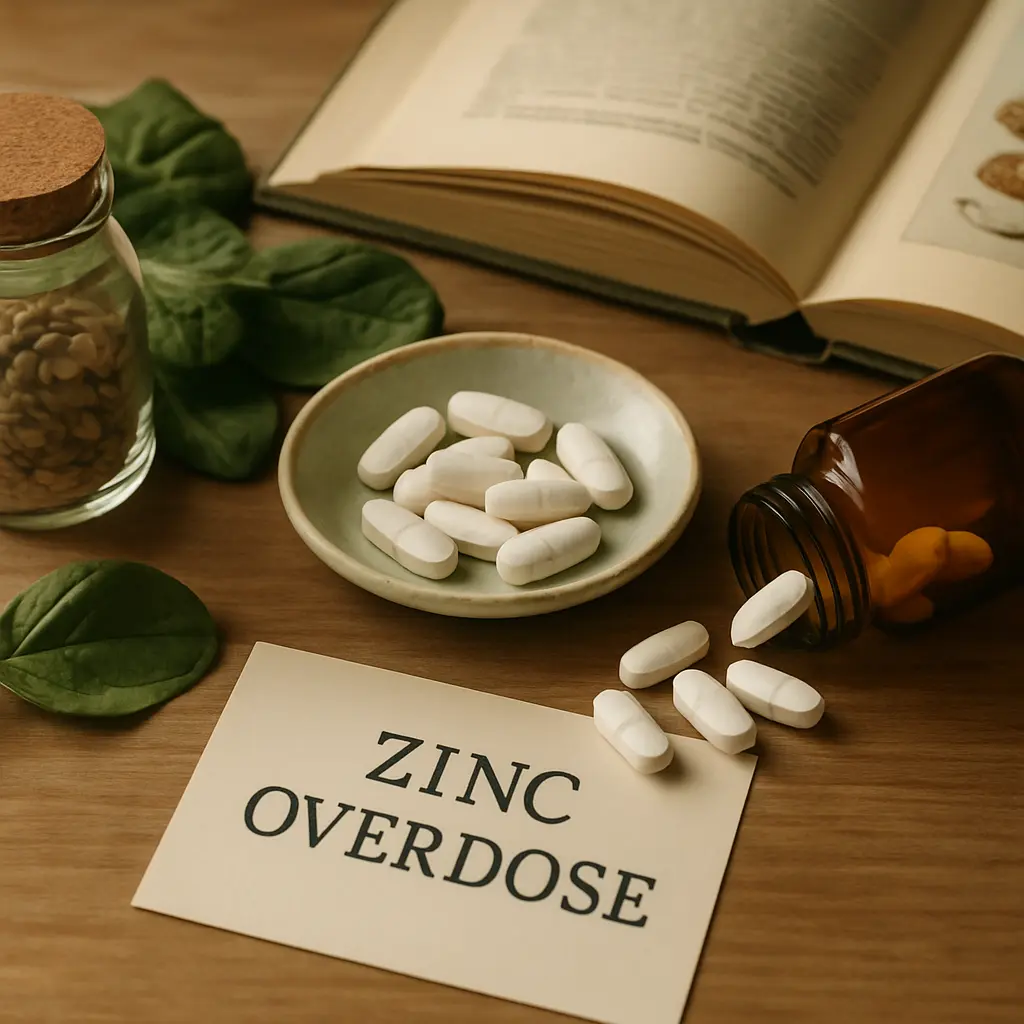
What Happens if You Get Too Much Zinc?
In this page
Zinc is an essential trace mineral crucial for numerous bodily functions, including immune response, DNA synthesis, and wound healing. However, like many nutrients, balance is key. Consuming excessive amounts of zinc can lead to adverse health effects. In this article, we’ll explore the role of zinc in the body, common dietary sources, the consequences of excessive zinc intake, and strategies for maintaining a healthy zinc balance to support overall well-being.
Introduction to Zinc
Zinc is an essential mineral that plays a vital role in maintaining several physiological functions. It is necessary for enzyme activity, immune function, protein synthesis, DNA synthesis, and cell division. The body does not store zinc, which means it must be consumed regularly in the diet to meet physiological needs. The recommended daily allowance (RDA) for zinc is 11 mg for adult men and 8 mg for adult women, though requirements can vary based on age, gender, and life stage.
Dietary Sources of Zinc
Zinc is predominantly found in animal-based foods, which typically have higher bioavailability than plant-based sources. Common dietary sources of zinc include:
- Red Meat: Beef, pork, and lamb are rich in zinc.
- Poultry: Chicken and turkey are good sources.
- Seafood: Oysters, crab, and shrimp are particularly high in zinc.
- Dairy Products: Milk, cheese, and yogurt contain moderate amounts of zinc.
- Nuts and Seeds: Almonds, peanuts, and pumpkin seeds offer plant-based zinc.
- Legumes: Lentils, chickpeas, and beans provide zinc, though the bioavailability is lower than from animal sources.
Understanding Zinc Overdose
Excessive intake of zinc, typically from supplements or high-dose medications, can lead to toxicity. Zinc overdose is less common from dietary sources alone but can occur if supplements are taken without medical supervision.
Symptoms of Zinc Toxicity
Acute zinc toxicity primarily arises from ingesting large doses, often exceeding 150 mg per day. Symptoms may include:
- Nausea and Vomiting: A common immediate response to excessive zinc intake.
- Diarrhea: Gastrointestinal upset including diarrhea can result.
- Abdominal Cramps: Stomach pain and discomfort are frequent symptoms.
- Headaches: High zinc levels can contribute to headaches.
Long-term Effects of Excess Zinc
Chronic exposure to high levels of zinc can result in more severe health issues:
- Immune System Suppression: Excess zinc can interfere with immune function, making the body more susceptible to infections.
- Lowered Levels of Other Minerals: High zinc intake can disrupt the absorption of copper and iron, potentially leading to deficiencies.
- Neurological Symptoms: Prolonged zinc toxicity may cause neurological issues, including numbness and tingling.
Interactions with Other Nutrients
Zinc interacts with several other nutrients, which can affect its absorption and bioavailability:
- Copper: High levels of zinc can lead to copper deficiency by competing for absorption in the gut.
- Iron: While zinc and iron share similar pathways for absorption, excessive zinc can inhibit iron uptake.
- Calcium and Phosphorus: These minerals can also affect zinc absorption, although the impact is generally less significant.
- Phytates: Found in whole grains and legumes, phytates can bind zinc and reduce its bioavailability from plant sources.
Diagnosis and Treatment
Diagnosing zinc toxicity often involves a combination of clinical evaluation and laboratory tests to measure serum zinc levels. If toxicity is suspected, it’s crucial to reduce zinc intake immediately. Treatment may involve:
- Discontinuing Supplements: The primary step is to stop taking zinc supplements.
- Dietary Adjustments: Reducing intake of high-zinc foods if necessary.
- Copper Supplementation: In cases of copper deficiency, increasing dietary copper may be recommended.
If symptoms persist, consult a healthcare professional for personalized guidance.
Preventing Zinc Overdose
The best way to prevent zinc overdose is through careful management of supplementation and diet. Key prevention strategies include:
- Adhering to Guidelines: Follow the Recommended Dietary Allowance (RDA) for zinc unless otherwise directed by a healthcare provider.
- Monitoring Supplement Use: Be cautious with zinc supplements, particularly high-dose formulations.
- Balanced Diet: Maintain a varied diet to support overall nutritional balance, ensuring adequate intake of all essential nutrients.
Conclusion
While zinc is an essential nutrient with numerous health benefits, imbalance can lead to adverse effects. Understanding the dietary sources, symptoms of toxicity, and interactions with other nutrients can help manage zinc intake effectively. Always consult with a healthcare professional before making significant changes to your diet or supplement regimen to ensure safety and efficacy.
FAQs
What is the safe upper limit of zinc intake?
The tolerable upper intake level (UL) for adults is 40 mg per day. Exceeding this amount increases the risk of zinc toxicity.
Can I get enough zinc from a vegetarian diet?
Yes, while zinc from plant sources has lower bioavailability, a vegetarian diet can provide sufficient zinc with careful planning, including soaking or sprouting grains and legumes to reduce phytates.
Is it necessary to take zinc supplements?
Most people can meet their zinc needs through a balanced diet. Supplements should be taken under medical guidance, especially if there is a known deficiency or increased requirement.
How quickly can zinc toxicity occur?
Acute zinc toxicity may occur within hours of ingesting a high dose. Chronic toxicity develops over time with consistent excessive intake.
This article is for informational purposes only and does not constitute medical advice. Always consult a registered dietitian or healthcare provider before starting any supplement regimen.




