
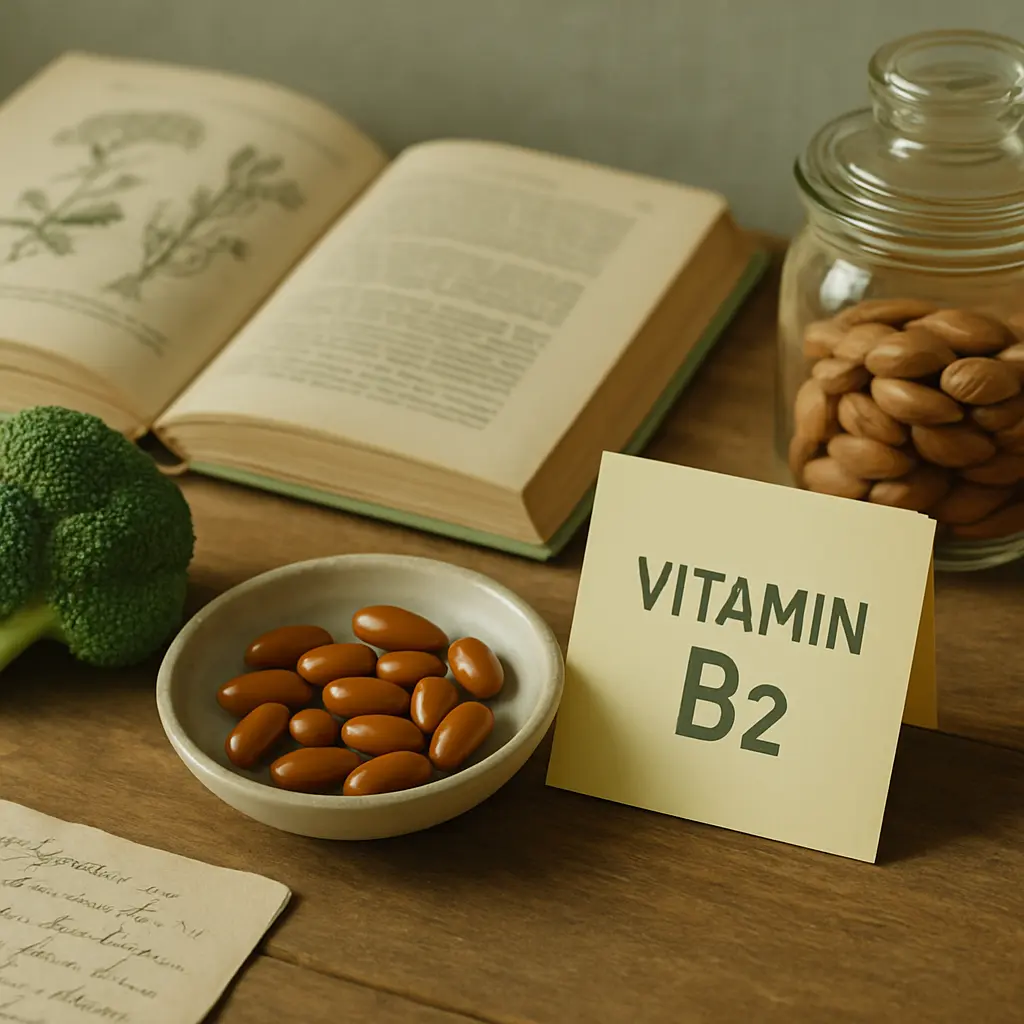
Understanding Vitamin B2: Uses and Functions
In this page
Vitamin B2, also known as riboflavin, is an essential nutrient that plays a vital role in maintaining overall health. As a water-soluble vitamin, it is not stored in the body and needs to be consumed regularly through diet or supplements. This article explores what Vitamin B2 is, its biological role, health benefits, dietary sources, effects of deficiency, and considerations for supplementation.
What is Vitamin B2?
Vitamin B2, or riboflavin, is part of the B-vitamin family, a group of eight essential nutrients that are crucial for energy production and other physiological functions. Riboflavin is a yellow compound that gives a distinct color to certain foods and supplements. It is water-soluble, meaning that it dissolves in water and is excreted through urine, necessitating a regular dietary intake. This vitamin is naturally present in some foods, added to others, and available as a dietary supplement.
The Biological Role of Vitamin B2
Riboflavin plays a pivotal role in the body’s metabolism. It is a precursor of two major coenzymes: flavin mononucleotide (FMN) and flavin adenine dinucleotide (FAD). These coenzymes are critical for several metabolic processes, including the breakdown of carbohydrates, fats, and proteins into energy. Furthermore, they are involved in the electron transport chain, which is vital for producing ATP, the energy currency of cells. Riboflavin also contributes to the conversion of other B vitamins, such as B6 and niacin, into their active forms.
Health Benefits of Vitamin B2
Role in Energy Production
The primary benefit of Vitamin B2 is its involvement in energy metabolism. Riboflavin aids in the conversion of nutrients in food into energy, which is essential for maintaining the body’s energy supply. This makes it crucial for supporting physical activity and cognitive functions, ensuring that the body has the energy it needs to perform daily tasks efficiently.
Antioxidant Properties
Riboflavin also has antioxidant properties. It helps combat oxidative stress by aiding the regeneration of glutathione, a significant antioxidant in the body. This function is important for protecting cells from damage caused by free radicals, which in turn supports overall cellular health and may reduce the risk of chronic diseases.
Contribution to Eye Health
Vitamin B2 plays a role in maintaining good vision. It helps prevent cataracts by protecting the lens and retina from oxidative stress. A diet rich in riboflavin can contribute to eye health and may reduce the risk of developing cataracts, a common age-related eye condition.
Impact on Skin and Hair
Riboflavin supports the maintenance of healthy skin and hair. It is involved in the production of collagen, a protein that helps keep skin firm and youthful. Additionally, sufficient levels of riboflavin contribute to the health and strength of hair, potentially preventing hair loss and promoting growth.
Dietary Sources of Vitamin B2
Vitamin B2 is found in a variety of foods. Animal sources include eggs, milk, cheese, yogurt, and lean meats such as chicken and fish. Plant-based sources include almonds, mushrooms, and green leafy vegetables like spinach and kale. Fortified cereals and bread can also be significant sources of riboflavin. It is important to incorporate a diverse range of these foods into your diet to ensure adequate intake of riboflavin.
Vitamin B2 Deficiency: Causes and Symptoms
Riboflavin deficiency, although rare in developed countries, can occur due to inadequate dietary intake, certain health conditions, or malabsorption issues. Symptoms of deficiency may include sore throat, redness and swelling of the lining of the mouth and throat, cracks or sores on the outsides of the lips (cheilosis) and at the corners of the mouth (angular stomatitis), inflammation and redness of the tongue (magenta tongue), and a moist, scaly skin inflammation (seborrheic dermatitis). In severe cases, riboflavin deficiency can lead to anemia and cataracts.
Supplementation: Is It Necessary?
For most people, a balanced diet provides all the riboflavin they need. However, supplementation might be necessary for individuals with specific health conditions, dietary restrictions, or increased nutritional needs, such as during pregnancy and lactation. Before starting any supplement, it is advisable to consult with a healthcare provider to determine the appropriate dosage and to ensure that it will not interact with other medications or conditions.
Conclusion
Vitamin B2 is a crucial nutrient with a variety of roles that support overall health and wellbeing. Its involvement in energy production, antioxidant functions, and maintenance of healthy skin and eyes highlights its importance. While deficiency is rare, it is essential to consume an adequate amount through diet or supplements when necessary. Understanding the role and benefits of riboflavin can help you make informed dietary choices to maintain optimal health.
FAQs about Vitamin B2
- What are the signs of too much riboflavin? Riboflavin is water-soluble, and excess amounts are usually excreted in urine. Large doses are not known to cause harm, but it is always best to follow recommended guidelines.
- Can Vitamin B2 help prevent migraines? Some studies suggest that riboflavin might help reduce the frequency and duration of migraines, but more research is needed to confirm these findings.
- Is riboflavin safe for everyone? Most people can safely consume riboflavin through diet or supplements, but individuals with specific health conditions should consult a healthcare provider for personalized advice.
- Does cooking affect riboflavin content in foods? Riboflavin is relatively stable during cooking, but exposure to light can degrade it. It is advisable to store riboflavin-rich foods in opaque containers.
This article is for informational purposes only and does not constitute medical advice. Always consult a registered dietitian or healthcare provider before starting any supplement regimen.




