What is Taurine?
In this page
Taurine is a lesser-known but essential amino acid that plays a critical role in the human body. Known for its presence in energy drinks and various supplements, taurine is primarily celebrated for its contributions to cardiovascular health, athletic performance, and neurological function. This article delves into the multifaceted world of taurine—its biochemical roles, health benefits, dietary sources, supplementation, and the ongoing research surrounding this intriguing compound.
Introduction to Taurine
Taurine is a conditional amino acid, meaning that while it can be synthesized by the human body, there are circumstances where supplementation or dietary intake becomes necessary. Unlike most amino acids, taurine is not incorporated into proteins but instead exists freely within tissues, particularly in the heart, brain, muscles, and eyes. It is often recognized for its antioxidant, anti-inflammatory, and osmoregulatory properties. Despite being less prominent than amino acids like leucine or glutamine, taurine’s significance in maintaining physiological homeostasis is profound.
The Biochemical Role of Taurine
Taurine plays several crucial roles at the biochemical level. It acts as a stabilizer of cell membranes, facilitates the transport of ions such as sodium, potassium, and calcium, and assists in bile salt formation, which is essential for fat digestion. Moreover, taurine functions as a neuroprotective agent, safeguarding neurons from oxidative stress and promoting neurotransmitter balance. Its role as an antioxidant helps reduce oxidative damage, making it vital for cellular health. Taurine also contributes to the regulation of calcium signaling, a critical pathway for muscle contraction and cellular communication.
Health Benefits of Taurine
Taurine’s health benefits are diverse, impacting several physiological systems. It is particularly noted for its cardiovascular and athletic performance-enhancing properties, as well as potential benefits for the nervous system and metabolic health.
Taurine and Cardiovascular Health
Taurine’s role in cardiovascular health is well-documented. It helps in regulating blood pressure by modulating the sympathetic nervous system, which governs the fight-or-flight response. Taurine’s antioxidant capacity supports heart health by preventing oxidative stress within the cardiovascular system. Studies have shown that taurine supplementation can improve lipid profiles by reducing levels of LDL cholesterol, known as the “bad” cholesterol, and increasing HDL cholesterol, the “good” cholesterol. Moreover, taurine facilitates improved endothelial function, crucial for maintaining vascular health and preventing conditions like atherosclerosis.
Taurine in Athletic Performance
For athletes, taurine is a valuable nutrient due to its ability to enhance exercise performance and recovery. Taurine supplementation has been associated with increased endurance, reduced muscle damage, and accelerated recovery times. Its role in calcium regulation is particularly beneficial for muscle function, allowing for stronger and more efficient muscle contractions. Additionally, taurine may help decrease muscle fatigue and improve exercise capacity, making it popular among those engaged in high-intensity sports and endurance activities.
Dietary Sources of Taurine
Taurine is predominantly found in animal-based foods, particularly meat, fish, and dairy products. Rich sources include beef, lamb, chicken, and seafood like scallops and tuna. For individuals following a vegetarian or vegan diet, taurine intake can be a concern since plant-based foods contain little to no taurine. In such cases, fortified foods or supplements can help meet dietary needs. It is worth noting that while the body can synthesize taurine from other amino acids like methionine and cysteine, the efficiency of this process can vary, necessitating dietary attention.
Taurine Supplements: Uses and Recommendations
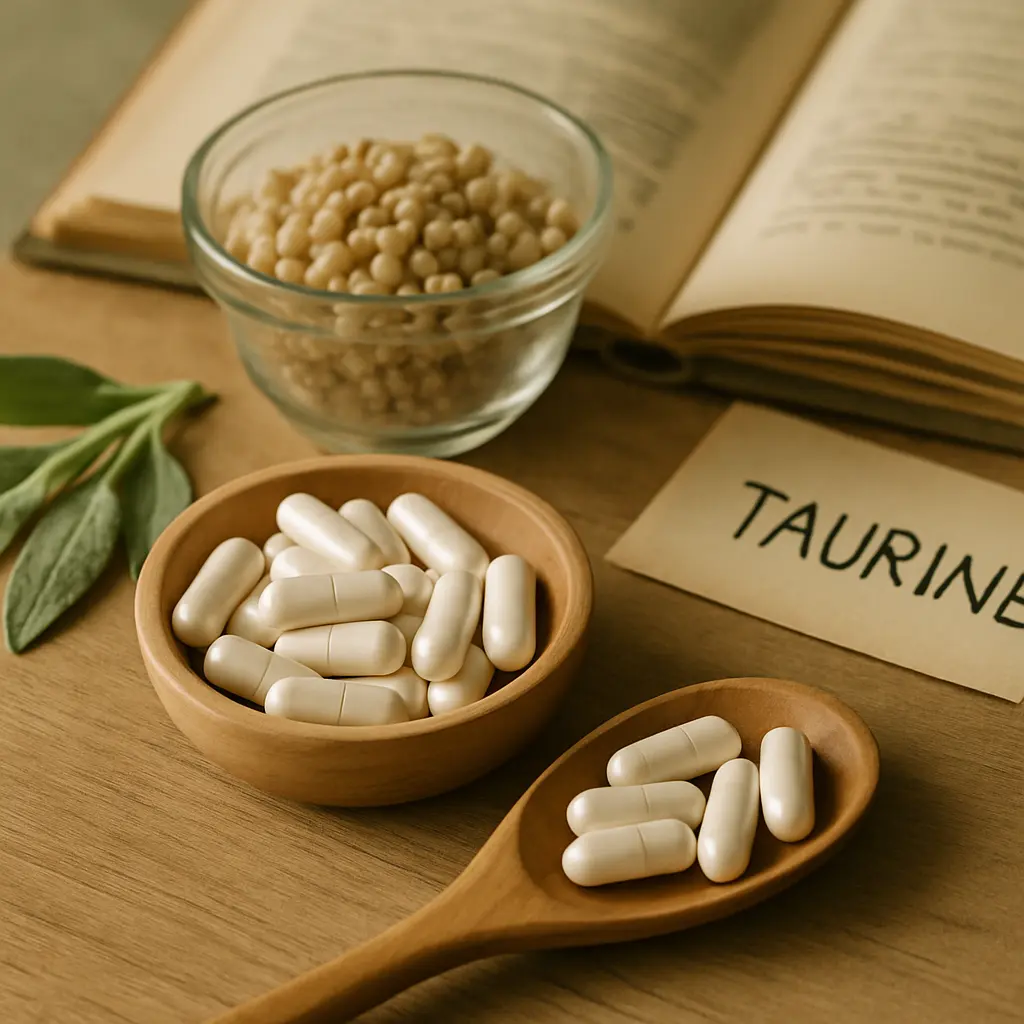
For those unable to obtain sufficient taurine through diet alone, supplements are widely available. Taurine supplements are typically used to support cardiovascular health, enhance athletic performance, and address potential deficiencies. They are generally considered safe when taken within recommended dosages, commonly ranging from 500 mg to 2,000 mg per day. However, higher doses should be approached with caution and ideally under medical supervision. While taurine is tolerated well by most individuals, it is essential to consult with a healthcare provider before beginning any new supplement regimen, particularly for individuals with pre-existing health conditions or those taking medications.
Taurine Deficiency: Causes and Effects
Taurine deficiency is relatively uncommon but can occur in certain populations, such as those with specific metabolic disorders, premature infants, or individuals on long-term parenteral nutrition. A deficiency in taurine can lead to a range of health issues, including impaired vision, weakened immune response, and compromised cardiovascular function. In cats, taurine deficiency is well-documented and can result in serious health problems like retinal degeneration and heart disease, highlighting its importance across species. Ensuring adequate taurine intake is essential for maintaining optimal health and preventing potential complications.
Future Research and Developments in Taurine Science
Research into taurine continues to expand, with new studies exploring its broader potential health benefits and therapeutic applications. Areas of interest include taurine’s role in neurodegenerative diseases, metabolic syndrome, and age-related conditions. Scientists are also investigating taurine’s impact on mental health, including its possible effects on mood disorders and cognitive function. As research progresses, a deeper understanding of taurine’s mechanisms and its full spectrum of benefits is likely to emerge, potentially influencing dietary recommendations and therapeutic strategies.
Conclusion
Taurine, while often overshadowed by more well-known amino acids, holds significant promise in promoting health and well-being. Its varied roles in supporting cardiovascular health, enhancing athletic performance, and safeguarding neurological function underscore its importance. Ensuring adequate intake through diet or supplementation can help prevent deficiencies and support overall health. As research continues, taurine’s potential applications may broaden, reinforcing its status as a vital nutrient in human health.
This article is for informational purposes only and does not constitute medical advice. Always consult a registered dietitian or healthcare provider before starting any supplement regimen.