
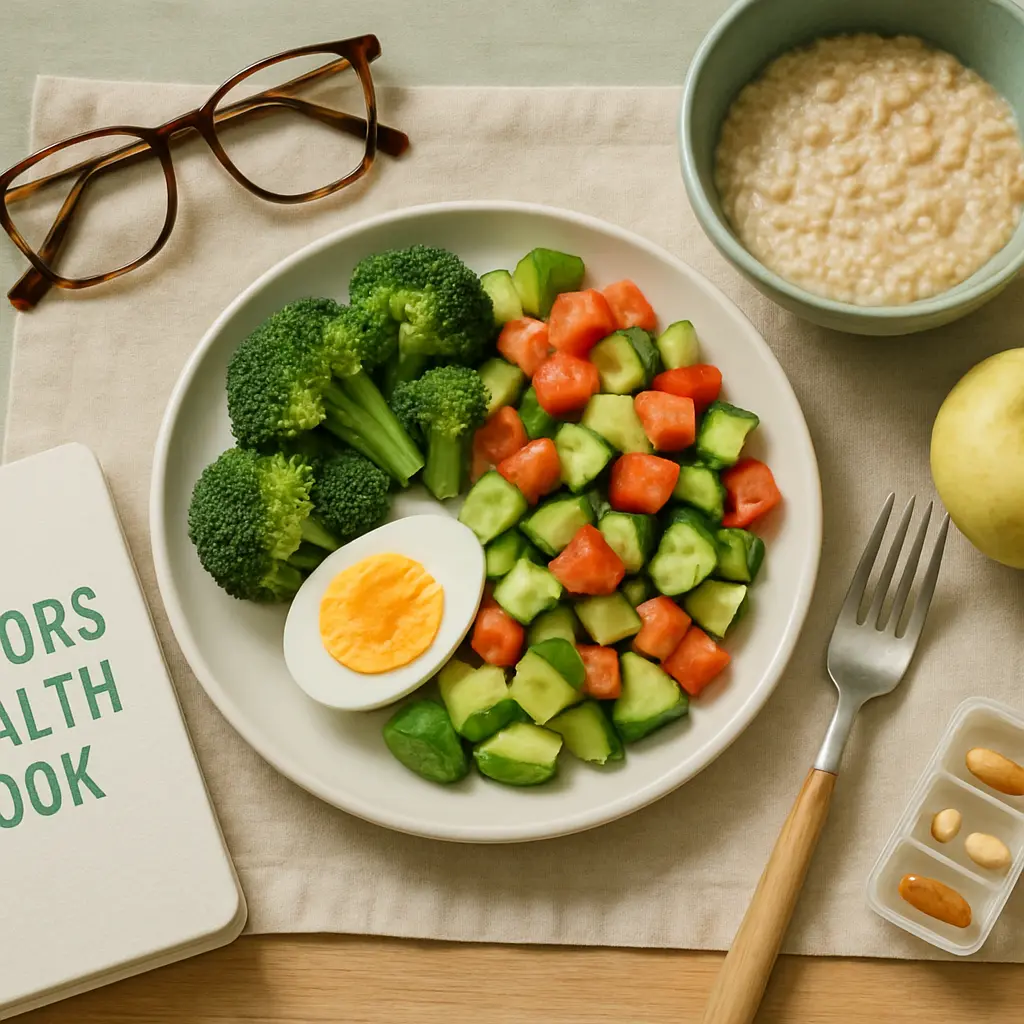
Managing Nutritional Health in Seniors: The Role of Metabolism, Diet, and Lifestyle
In this page
As we age, our bodies experience a series of complex physiological changes, one of the most significant being a slowing metabolism. This decrease in metabolic efficiency can impact how nutrients are processed, affecting energy levels and overall health. This article delves into the challenges faced by individuals over 70, highlighting the importance of maintaining balanced nutrition and exploring how lifestyle choices, dietary adjustments, and targeted supplementation can play a crucial role in supporting health and wellness in the senior years.

Scientific Background and General Context
The metabolic process is vital for transforming food into energy, but as we age, these processes can become less effective. After the age of 70, the body’s ability to efficiently convert food into energy diminishes, which can lead to a variety of health issues. These include fatigue, reduced tissue repair capacity, impaired concentration, and a general decline in mood. Understanding these changes is essential for supporting the nutritional needs of seniors.
Metabolism is a complex series of biochemical reactions that occur within our cells. It involves two primary categories: catabolism, the breakdown of molecules to obtain energy, and anabolism, the synthesis of all compounds needed by the cells. As we age, factors such as decreased muscle mass, hormonal changes, and less physical activity contribute to a slower metabolism. This shift necessitates an adjustment in nutrient intake to ensure that older adults receive the required vitamins and minerals, even as caloric needs may decrease.

Gastrointestinal Health and Nutrient Absorption
Common Gastrointestinal Conditions
Chronic gastrointestinal conditions, such as Crohn’s disease, peptic ulcers, and irritable bowel syndrome, can significantly hinder the absorption of essential nutrients. These conditions may lead to deficiencies in vitamins and minerals, depending on the extent and location of the gastrointestinal damage. For instance, people with stomach disorders may require increased intake of B vitamins, while liver conditions can affect the absorption of fat-soluble vitamins like A, D, E, and K.
The Impact on Nutrient Absorption
Intestinal problems can necessitate a comprehensive supplement regimen, potentially including probiotics and sodium butyrate, to restore gut health and support nutrient uptake. These interventions aim to repair the gut microbiota, which is crucial for producing and absorbing various health-promoting compounds. A compromised gut can lead to a cascading effect on the body’s ability to absorb vitamins, further complicating the nutritional status of seniors.
Alcohol Consumption in Seniors
Chronic alcohol consumption is another significant factor that can adversely affect vitamin levels in older adults. Often used as a coping mechanism for emotional stress, such as loss or loneliness during retirement, alcohol can lead to deficiencies in several key vitamins, including thiamine (B1), pyridoxine (B6), folate (B9), and vitamin C. Additionally, alcohol-related liver damage can further exacerbate these deficiencies, particularly for fat-soluble vitamins.
Medications and Vitamin Levels
Common Medications and Their Impact
Many medications commonly prescribed for age-related ailments can influence vitamin absorption and metabolism. Antibiotics, for instance, can disrupt gut flora, which plays a critical role in the synthesis and absorption of B vitamins and vitamin K. Cholesterol-lowering drugs can impair the absorption of vitamins A, D, E, and K, essential for maintaining health in various systems of the body.
Specific Drug Interactions
Non-steroidal anti-inflammatory drugs (NSAIDs) may increase the risk of stomach ulcers, while acid-reducing medications can impair vitamin B12 absorption. Metformin, widely used for type 2 diabetes management, is also known to interfere with vitamin B12 metabolism. These interactions highlight the importance of monitoring vitamin levels in seniors taking multiple medications, as chronic deficiencies can lead to further health complications.
Challenges in Dietary Choices for Seniors
Mobility and Dietary Limitations
Limited mobility can make shopping for fresh, nutritious foods challenging for seniors, leading to reliance on processed foods with longer shelf lives but lower nutritional value. Physical limitations may also hinder the ability to prepare meals, necessitating a shift to easy-to-prepare or ready-made options that may not provide adequate nutrients.
Appetite Changes and Their Consequences
With age, seniors often experience a decline in appetite, potentially due to diminished taste and smell senses or dental issues that make eating uncomfortable. Reduced food intake correlates with lower vitamin and mineral consumption, increasing the risk of nutritional deficiencies. For example, inadequate vitamin C intake can lead to scurvy, characterized by tissue damage, fatigue, anemia, and joint pain. Similarly, insufficient consumption of B vitamins from quality meats and fish can result in megaloblastic anemia, causing tiredness, weakness, and cognitive difficulties.
The Role of Supplements
When dietary intake falls short, multivitamin supplements can provide essential nutrients that might be lacking due to limited food variety, appetite challenges, or medication interactions. Supplements that include minerals like iron, selenium, zinc, magnesium, and calcium may help maintain nutritional balance, supporting overall health in the senior population.
Outdoor Activity and Vitamin D Synthesis
The Importance of Sun Exposure
Sun exposure plays a crucial role in vitamin D synthesis, which is vital for bone health and preventing chronic diseases, including osteoporosis and certain cancers. Aging skin reduces the capacity to produce vitamin D, and lifestyle factors may limit outdoor activity. Consequently, seniors may require year-round vitamin D supplementation to maintain adequate levels, with vitamin K2 and magnesium further supporting vitamin D metabolism.
Balanced Perspective and Safety
For individuals over 70, maintaining health involves addressing multiple factors, including metabolic changes, dietary access, and medication effects. While multivitamins can help bridge nutritional gaps, professional guidance is essential to ensure safe and effective supplementation. Consulting with healthcare providers before incorporating supplements into a senior’s diet ensures that individual needs are met without adverse interactions with existing medications.
In conclusion, understanding and addressing the multifaceted nutritional needs of seniors can significantly enhance quality of life. Through informed dietary choices, responsible supplementation, and mindful management of lifestyle factors, seniors can maintain their health and well-being, fostering a vibrant, active life well into their elder years.


