
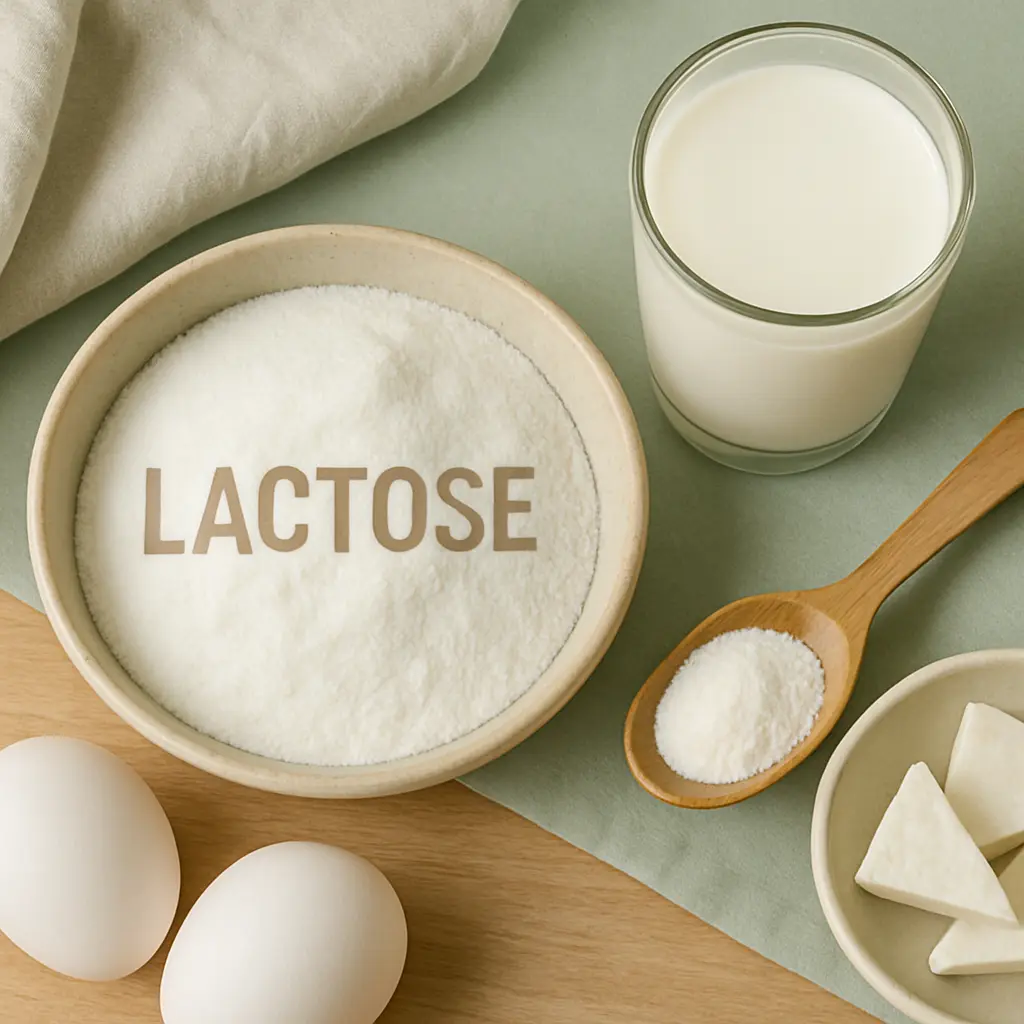
The Nutritional Dynamics of Lactose and Milk: Understanding Its Benefits and Challenges
In this page
The story of lactose, a natural sugar found in milk, is both fascinating and complex. Historically isolated in the 17th century, lactose remains a significant component of dairy. However, its presence is not without challenges — particularly for individuals with lactose intolerance. This article delves into the intricacies of lactose in dairy products, the process of its removal for those who are intolerant, and the broader nutritional implications of milk consumption. Additionally, we’ll explore the health benefits of milk and its utility in daily hydration and culinary practices.

Scientific Background and General Context
Lactose, a disaccharide sugar composed of glucose and galactose, was first isolated by the Italian scientist Fabrizio Bartoletti in the 17th century. It is the primary sugar found in milk and dairy products. As a disaccharide, lactose must be broken down into its simpler sugar components during digestion—a process facilitated by the enzyme lactase. Lactose plays a crucial role in the nutrition of infants, providing an essential source of energy. However, as humans age, the ability to produce lactase can diminish, leading to lactose intolerance. This condition impacts a significant portion of the global population, with varying degrees across ethnicities and regions. Understanding the role of lactose in milk and its interaction with human digestion is fundamental to exploring both the challenges it poses and the potential health benefits it offers.
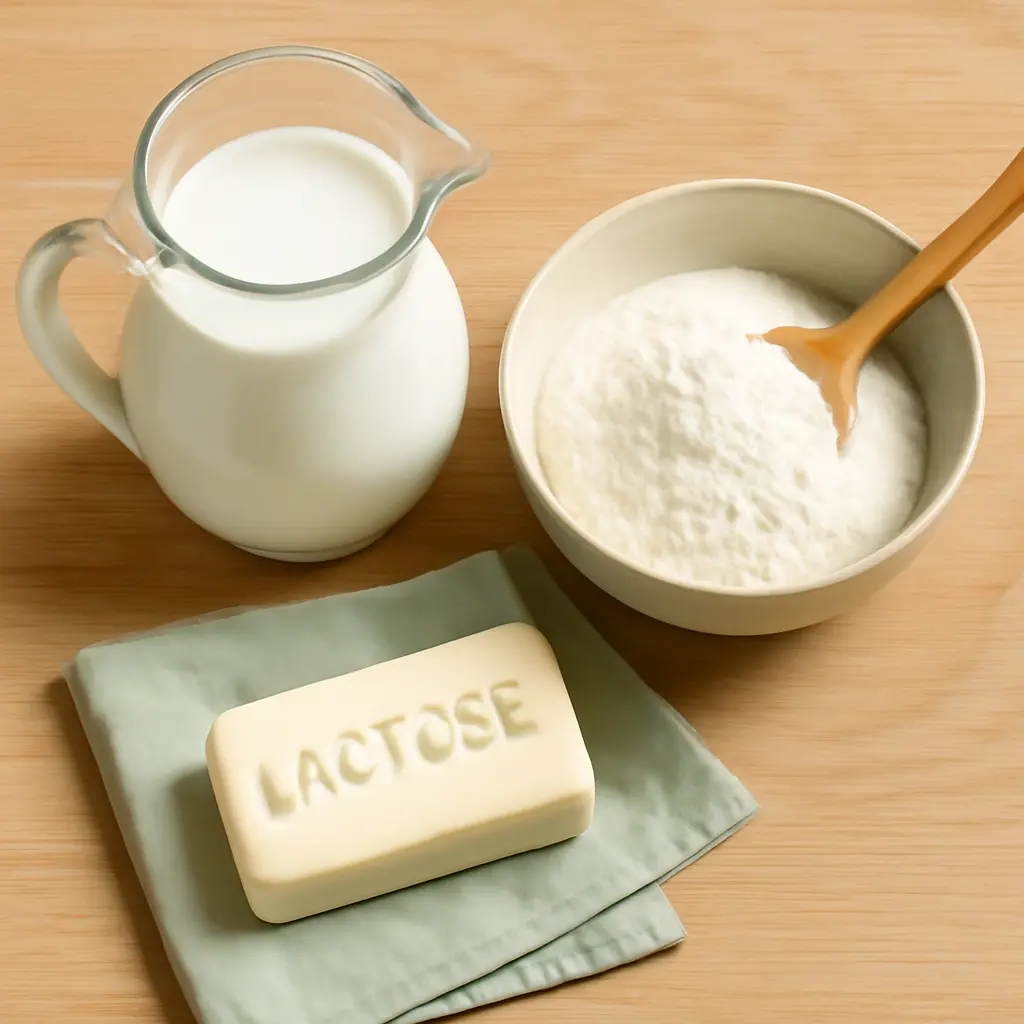
Lactose Removal from Milk
The industrial removal of lactose from milk gained traction in the latter half of the 20th century, spurred by increased awareness of lactose intolerance. The process typically involves adding lactase to milk, which breaks down lactose into glucose and galactose. This enzymatic treatment renders the milk digestible for those with lactose intolerance without altering its nutritional profile significantly.Lactose-free milk maintains the same levels of essential nutrients, such as proteins, fats, vitamins, and minerals, as regular milk. Its slightly sweeter taste comes from the presence of glucose and galactose, both of which have a higher sweetness index than lactose. Despite these modifications, lactose-free milk serves as a viable alternative for those who cannot digest lactose, allowing them to continue enjoying the dietary benefits of milk.
Lactose in Dairy Products
Lactose content varies across different dairy products. Some, like aged cheeses, have naturally low lactose levels due to the fermentation process. Enzymes and bacteria involved in cheese aging break down lactose into simpler sugars, rendering products like cheddar and parmesan more digestible for those with lactose intolerance.Similarly, fermented dairy products such as yogurt often contain reduced lactose levels. The fermentation process involves bacteria that consume lactose, producing lactic acid, which not only reduces lactose content but also gives these products their characteristic tangy flavor.Understanding the lactose content in dairy products enables informed choices for those managing lactose intolerance, ensuring they can enjoy a varied and balanced diet without discomfort.
Challenges of Digesting Lactose
Lactose intolerance arises when the body lacks sufficient lactase to break down lactose into its absorbable forms, glucose and galactose. Symptoms can include diarrhea, bloating, and abdominal cramps, which can significantly impact one’s quality of life and nutritional intake.Chronic avoidance of dairy due to lactose intolerance can lead to nutritional deficiencies, particularly in calcium, which is vital for bone health. This is why lactose-free options and lactase enzyme supplements can be useful for managing symptoms while maintaining adequate intake of dairy nutrients.Emerging evidence suggests that probiotics, containing specific strains of bacteria, may help improve lactose digestion. These bacteria can produce lactase within the gut, potentially reducing symptoms for some individuals. However, the effectiveness of such interventions can vary widely and should be considered on a case-by-case basis.
Lactose-Free Milk for Those Without Intolerance
For individuals without lactose intolerance, consuming lactose-free milk offers no distinct health advantages over regular milk. The primary difference is taste, as lactose-free milk tends to be sweeter. Nutritionally, both types of milk provide the same essential nutrients, including proteins, calcium, and vitamins.Regular cow’s milk is available in various fat content options, from skim (less than 0.5% fat) to whole milk (approximately 3.2% fat). These variations cater to different dietary needs and preferences, ensuring that milk remains a versatile staple in diets worldwide.
Health Promoting Compounds in Milk
Milk is not merely a source of basic nutrients; it also contains bioactive compounds with potential health benefits. Whey proteins, including beta-lactoglobulins and alpha-lactalbumins, possess antibacterial and immune-modulating properties. Casein, another primary milk protein, plays a crucial role in calcium absorption, further underscoring milk’s importance in bone health.Lactoferrin, an antimicrobial and anti-inflammatory protein, is another valuable component of milk, while conjugated linoleic acid (CLA) found in milk fat has shown antioxidant properties. These compounds highlight milk’s potential beyond basic nutrition, contributing to overall health and wellness.
Milk for Hydration
Milk is an effective hydration beverage, largely due to its rich electrolyte content, including potassium, sodium, magnesium, and calcium. These elements are crucial for maintaining fluid balance within the body. Additionally, the carbohydrates present in milk can enhance water absorption in the digestive tract and aid in muscle glycogen replenishment post-exercise, making milk a beneficial recovery drink for athletes. Its nutrient-rich profile supports hydration and energy restoration, offering an alternative to traditional sports drinks.
Milk in Culinary Applications
Beyond its role as a nutritional beverage, milk is a versatile ingredient in the kitchen. It serves as a base for creamy sauces, soups, and baked goods, adding richness and depth to recipes. Milk is also crucial in creating fermented products like yogurt and kefir, which enhance both flavor and nutritional value.In beverages, milk is a staple addition to coffee, tea, and smoothies, providing a creamy texture and subtle sweetness. Its adaptability makes it a key ingredient in both sweet and savory dishes, illustrating its integral role in culinary traditions worldwide.
Balanced Perspective and Safety
While milk offers numerous health benefits, it is essential to consume it mindfully, considering individual dietary needs and tolerances. For those with lactose intolerance or milk allergies, alternative sources of nutrients should be explored to maintain a balanced diet. Understanding the production and nutritional content of both regular and lactose-free milk can empower consumers to make informed dietary choices that align with their health goals and preferences. Whether enjoyed for its nutritional benefits or its versatility in cooking, milk continues to be a vital component of global diets.


