
PQQ: An Emerging Nutrient for Health and Wellness
In this page
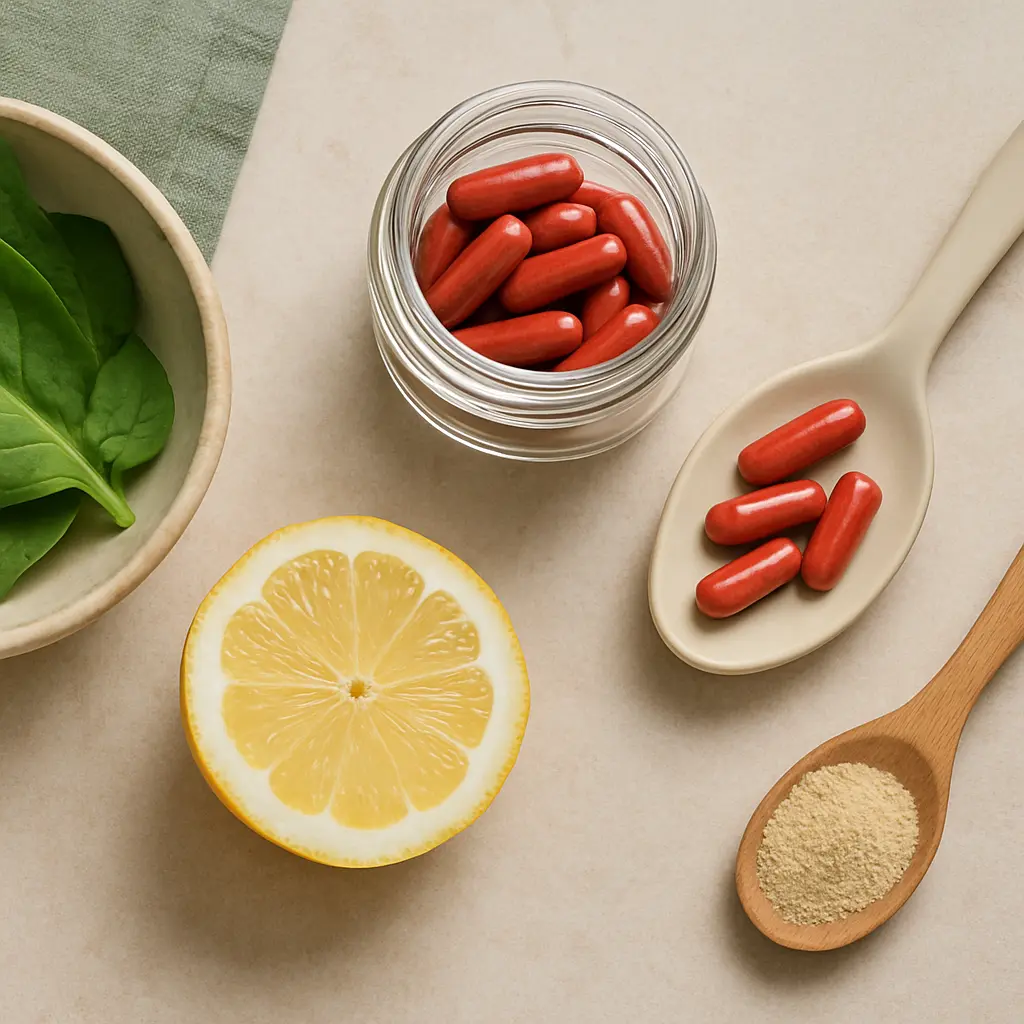
Pyrroloquinoline quinone (PQQ) is gaining attention within the field of nutrition and wellness. Although not yet formally recognized as a vitamin, PQQ is a micronutrient with chemical similarities to compounds like coenzyme Q10 and vitamin K2. Its potential benefits for mitochondrial health, cognitive function, and antioxidant activity have sparked interest among scientists and health enthusiasts alike. This article delves into the significance of PQQ, examining its role in human health, its sources in the diet, and considerations for specific dietary practices such as veganism.
Scientific Background and General Context
Pyrroloquinoline quinone, or PQQ, is a redox cofactor and antioxidant that is present in various foods and biological tissues. It was first identified in bacteria, where it plays a role as a cofactor in enzymatic reactions. Its presence in mammals was later confirmed, leading to speculation about its importance in human health. Despite ongoing research, PQQ is not officially classified as a vitamin, yet its functions in the human body imply that it might be essential, or at least highly beneficial.The interest in PQQ arises primarily from its role in mitochondrial biogenesis. Mitochondria, known as the powerhouses of the cell, are crucial for energy production. PQQ has been shown to stimulate the growth and reproduction of mitochondria within cells, which may translate into enhanced cellular energy production. This process is vital for tissues with high energy demands, such as the heart, brain, and muscles.

The Effects of PQQ Deficiency
Animal studies, particularly those involving rodents, have provided insights into the effects of a PQQ-deficient diet. In these studies, rodents deprived of PQQ exhibited various health issues, including impaired growth, reproductive challenges, skeletal abnormalities, immune dysfunctions, and aortic aneurysms. While direct studies on humans are limited, these findings suggest that PQQ might play a similar supportive role in maintaining health.The potential consequences of PQQ deficiency underscore the importance of adequate intake, although further research is needed to determine precise human requirements. The absence of definitive evidence makes it challenging to establish standardized dietary recommendations, but the micronutrient’s advantageous role in experimental settings is compelling.
The Importance of PQQ for Human Health
Research has highlighted several beneficial properties of PQQ, which may contribute to human health in multiple ways:1. **Mitochondrial Biogenesis**: As already noted, PQQ stimulates the formation of new mitochondria. An increase in mitochondrial density enhances cellular energy output, which is crucial for overall vitality and longevity.2. **Antioxidant and Anti-inflammatory Effects**: PQQ possesses strong antioxidant properties that help reduce oxidative stress, a condition linked to various chronic diseases. Additionally, its anti-inflammatory effects may further protect against chronic inflammation-related disorders.3. **Neuroprotection and Cognitive Enhancement**: The neuroprotective properties of PQQ are particularly notable. It may aid cognitive functions such as learning and memory retention by protecting neurons from oxidative damage. Studies suggest improvements in aspects of cognitive performance, such as attention and working memory, especially under conditions of oxidative stress.These functions position PQQ as a potentially valuable nutrient for brain health, offering protection against age-related cognitive decline and supporting mental acuity.
Daily Use and Lifestyle Applications
While PQQ is naturally present in a variety of foods, understanding its dietary sources can help individuals optimize their intake. Foods containing PQQ include:- **Plant Sources**: Although not in high concentrations, PQQ is found in fruits and vegetables. Celery and fermented soy products like natto are among the richer sources. Other fruits and vegetables contain smaller amounts but contribute to overall intake.- **Animal Sources**: Animal-based foods such as milk can be surprisingly rich in PQQ. Regular consumption of dairy products can significantly contribute to PQQ intake.- **Dietary Supplements**: For those unable to meet their needs through diet alone, PQQ supplements are available. They are often used to support energy metabolism and cognitive function, though consultation with a healthcare provider is advised before starting any supplement regimen.PQQ’s potential benefits make it particularly appealing for individuals with demanding mental workloads or those seeking to maintain cognitive health as they age.
Balanced Perspective and Safety
Despite promising research, PQQ supplementation should be approached with caution. While no significant adverse effects have been reported, the long-term safety of high-dose supplementation remains unknown. As with any supplement, moderation and medical guidance are recommended.For vegans, obtaining sufficient PQQ may pose a challenge due to limited dietary sources. However, options like fortified plant-based foods or specific supplements tailored for vegan diets are available. Vegans engaging in intensive cognitive tasks might consider these options to ensure adequate intake.In conclusion, PQQ represents an intriguing area of nutritional science with substantial potential for enhancing health and wellness. While more research is needed to fully understand its role and establish clear dietary guidelines, current evidence suggests that PQQ can be an important component of a balanced diet, supporting mitochondrial health, cognitive function, and overall vitality. As always, individuals should consult with healthcare professionals before making significant changes to their diet or supplement routine.


