
The Essential Role of Protein and Amino Acids in a Plant-Based Diet
In this page
The importance of protein in our diet cannot be overstated. Whether from animal or plant-based sources, protein plays a critical role in building, repairing, and maintaining the body’s tissues. This article delves into the significance of amino acids, the building blocks of protein, emphasizing their necessity in daily nutrition. Furthermore, we explore the challenges and strategies of obtaining sufficient protein from a plant-based diet, ensuring it is balanced and comprehensive in terms of nutrient intake.

Scientific Background and General Context
Protein is a macronutrient that is vital for the human body, encompassing myriad functions from tissue repair and muscle building to enzyme and hormone production. Proteins are composed of amino acids, 20 of which are used by the body, with nine being classified as “essential.” These essential amino acids must be obtained through diet because the body cannot synthesize them.The essential amino acids are histidine, isoleucine, leucine, lysine, methionine, phenylalanine, threonine, tryptophan, and valine. They play crucial roles in various metabolic processes, including the synthesis of new proteins, neurotransmitters, and antibodies. Amino acids are also involved in transporting substances like oxygen and iron across the body, underscoring their indispensable contribution to overall health.
Amino Acids in Protein: Why They Matter
The necessity of consuming adequate levels of essential amino acids is paramount for maintaining health. They support diverse bodily functions, such as:
Metabolic Processes and Protein Synthesis
Essential amino acids are integral to metabolic processes. They contribute to protein synthesis, which is critical for growth, repair, and maintenance of cells. These amino acids help to form hormones, neurotransmitters, and other crucial compounds that regulate mood, sleep, and metabolic pathways.
Transport Functions
Proteins serve as carriers for essential molecules such as oxygen and iron, facilitating their movement through the bloodstream. Hemoglobin, a protein that contains iron, is responsible for oxygen transport in red blood cells, illustrating the vital role proteins play in maintaining physiological functions.
Protein in a Plant-Based Diet
A plant-based diet often poses challenges in ensuring sufficient intake of all essential amino acids. However, with proper planning, it is possible to achieve a balanced protein intake from plant sources.
Key Principles of Balancing
To optimize protein intake on a plant-based diet, it’s important to combine various protein sources throughout the day. For instance, grains and legumes complement each other, providing a complete amino acid profile when consumed together. Other combinations, such as seeds and nuts, can also help achieve this balance.
Daily Distribution and Personal Needs
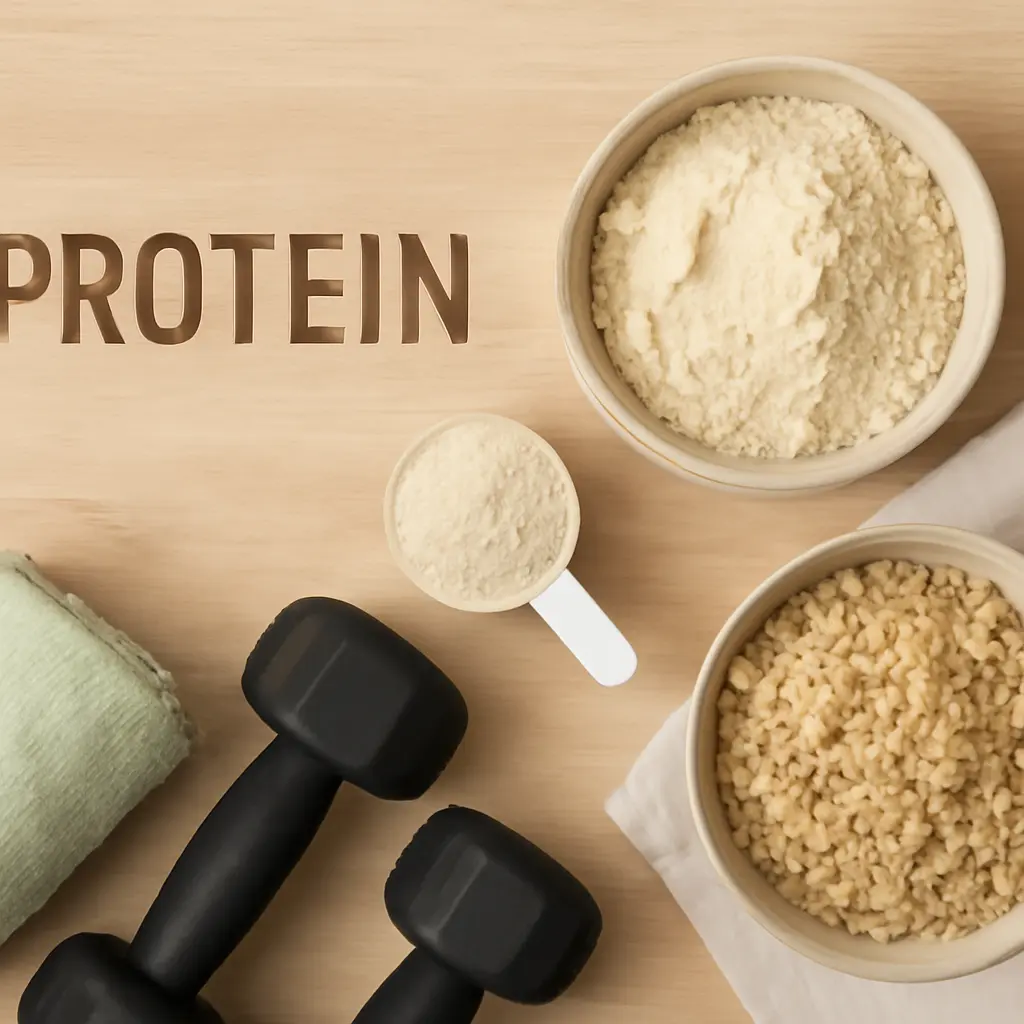
Distributing protein intake evenly throughout the day can enhance absorption and utilization by the body. Meeting individual protein needs involves adjusting consumption based on factors like age, activity level, and specific health goals. For those with higher protein requirements, such as athletes, protein supplements may be beneficial.
Nutrient Accessibility and Preparation Methods
Certain preparation techniques can enhance the digestibility and nutrient availability of plant-based proteins. Methods such as soaking, fermenting, and sprouting are well-recognized for breaking down antinutrients and improving protein absorption. Ensuring a varied and well-prepared diet is essential for maximizing the benefits of plant-based proteins.
Ensuring Comprehensive Nutrition
While focusing on protein, it’s crucial not to overlook other essential nutrients that might be less prevalent in plant-based diets. These include iron, zinc, iodine, vitamin D3, vitamin B12, and omega-3 fatty acids (EPA and DHA). Due to their limited presence in plant foods, supplementation or consumption of fortified products is often recommended.
Other Vital Compounds for Health
Plant-based diets may lack certain compounds naturally present in animal products, such as carnitine, collagen, creatine, and carnosine. These substances support energy metabolism, skin and joint health, and physical performance. Their absence may necessitate supplementation, especially for individuals with high physical activity levels or older adults with decreased natural production of these compounds.
Plant-Based Protein Sources
The abundance of plant-based protein sources provides numerous options for those pursuing a vegan or vegetarian diet. Here are some of the prominent choices:
Soy and Its Benefits
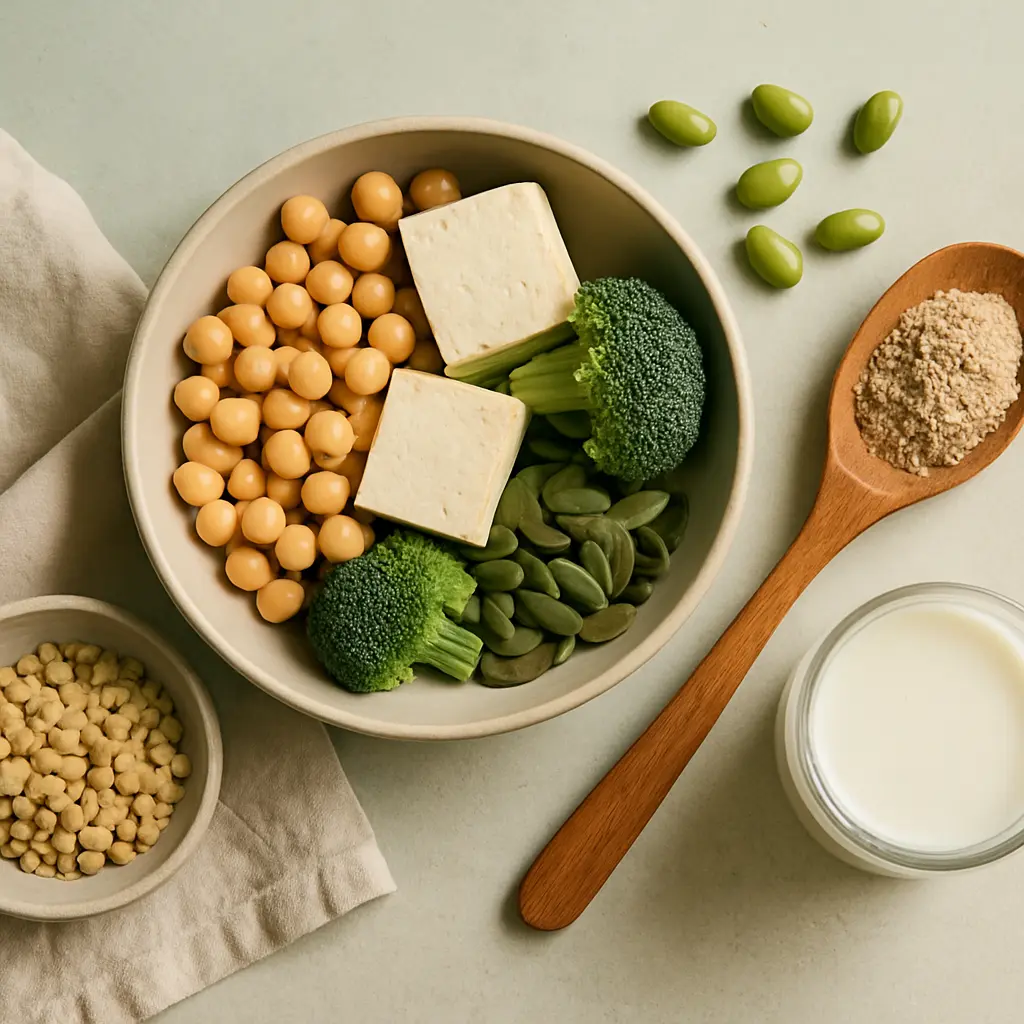
Soy products, including edamame, tofu, tempeh, and soy protein isolates, offer a rich source of high-quality protein. They contain all essential amino acids and are also notable for their isoflavones, compounds with potential antioxidant properties. Isoflavones can help in neutralizing free radicals and may contribute to lowering LDL cholesterol levels.
Hemp Seeds: A Nutrient-Dense Choice
Shelled hemp seeds and hemp protein isolate are valued for their complete amino acid profile and high digestibility. Hemp protein is considered hypoallergenic, making it a suitable alternative for individuals with food allergies or intolerances. Additionally, hemp seeds provide omega-3 and omega-6 fatty acids, along with dietary fiber, enhancing their nutritional value.
Legumes: A Versatile Protein Source
Legumes such as peas and chickpeas are protein-rich and serve as key components of a plant-based diet. They are high in lysine, an essential amino acid, but low in methionine, which is why combining them with grains is advised. This combination ensures a full amino acid profile, necessary for muscle and tissue growth and repair.
Peanuts: More Than Just a Snack
Often grouped with nuts, peanuts are technically legumes and are renowned for their high protein content. They also provide essential nutrients like B-vitamins, vitamin E, and magnesium. Peanuts can be eaten in various forms, such as whole nuts or peanut butter, adding diversity and nutritional value to a plant-based diet.
Daily Use and Lifestyle Applications
Incorporating plant-based proteins into daily meals can be seamlessly achieved with careful planning and creativity.
Meal Planning and Preparation
Effective meal planning involves incorporating a variety of protein-rich foods into breakfast, lunch, and dinner. Smoothies with protein powders, salads with mixed beans, and stir-fries with tofu are excellent ways to ensure a balanced intake throughout the day.
Snacks and Quick Options
For snacks, options like nut butter on whole-grain toast, roasted chickpeas, and protein bars can provide a quick protein boost. These choices help maintain consistent energy levels and support muscle repair and growth.
Customizing to Personal Goals
Whether aiming for weight loss, muscle gain, or maintaining overall wellness, adjusting protein intake to align with personal health goals is key. Consulting with a nutritionist can provide tailored advice to enhance the effectiveness of a plant-based diet.
Balanced Perspective and Safety
Embracing a plant-based diet requires attention to detail but offers numerous health benefits when balanced correctly.
Maintaining Nutritional Adequacy
Ensuring adequate protein and essential nutrient intake is vital to prevent deficiencies. Regular monitoring and potential supplementation of certain nutrients can safeguard against common pitfalls of plant-based diets.
Considerations for Special Populations
Special populations, such as athletes and the elderly, may require additional protein and nutrient support. Strategic dietary planning or supplementation can address these needs, promoting optimal health and function.
Potential Risks and Precautions
While generally safe, over-reliance on certain plant-based protein sources may lead to imbalances or allergenic responses. Diversifying protein sources and consulting healthcare professionals can help mitigate risks and ensure a safe dietary approach.


