
Konjac Noodles: A Nutritional Marvel for Health-Conscious Eaters
In this page
Konjac noodles, also known as shirataki, have gained considerable attention among health enthusiasts and those keen on managing their weight. This low-calorie, high-fiber food has several appealing attributes that make it a worthy addition to a balanced diet. In this article, we intend to explore the origins and production of konjac noodles, delving into their nutritional benefits, culinary versatility, and implications for health and wellness.

Scientific Background and General Context
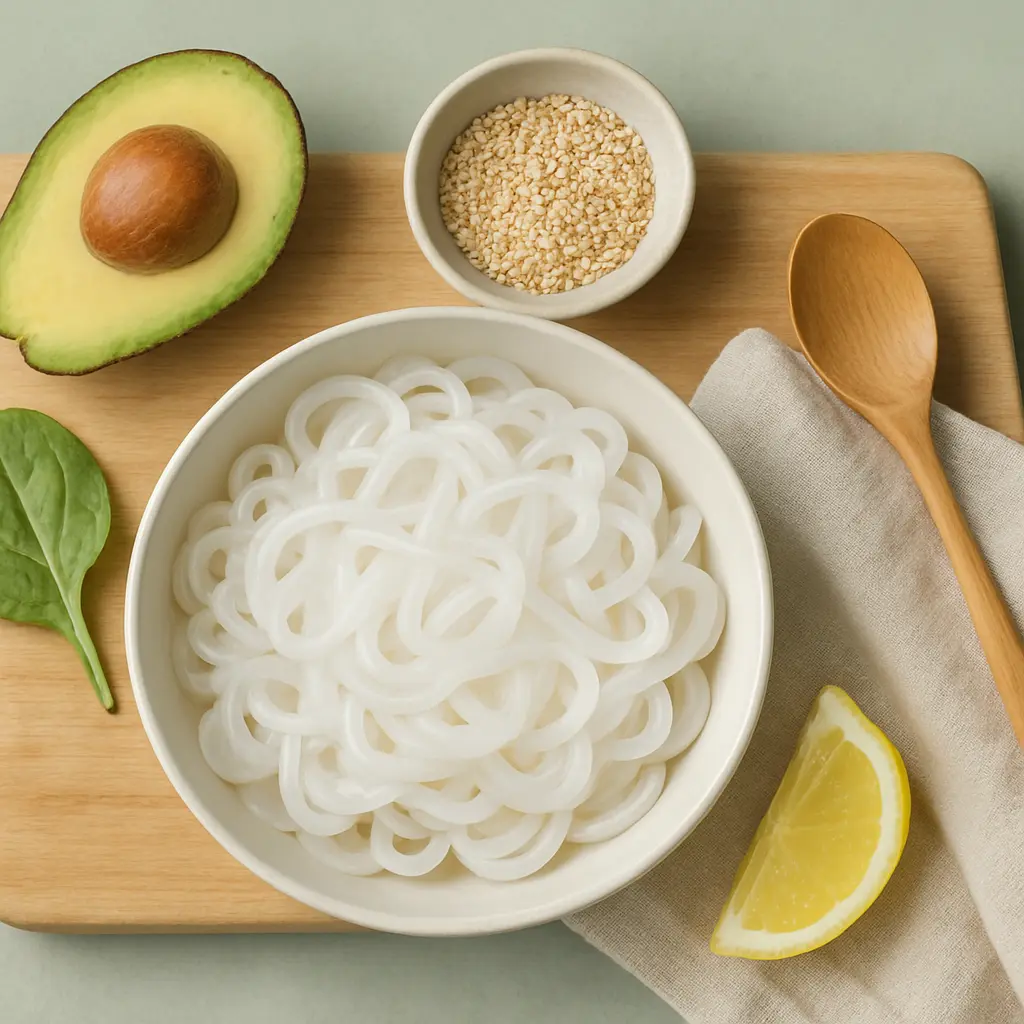
Konjac noodles originate from the root of the Amorphophallus konjac plant, commonly found in the subtropical regions of Asia, including Japan, China, and Indonesia. This plant has been part of traditional diets for centuries, valued for its nutritional benefits and versatility in meal preparation. The root, when processed into a fine powder, becomes the primary ingredient in the noodles. By mixing this powder with water and calcium hydroxide, a binding agent, the mixture is shaped into noodles and cooked, resulting in a clear, gelatinous texture.The key component in konjac noodles is glucomannan, a water-soluble dietary fiber known for its remarkable ability to absorb water, forming a gel-like substance. This characteristic is central to the health claims associated with konjac noodles, as glucomannan offers benefits that span digestive health, weight management, and even cardiovascular health.
Key Nutritional Benefits of Konjac Noodles
Rich in Dietary Fiber
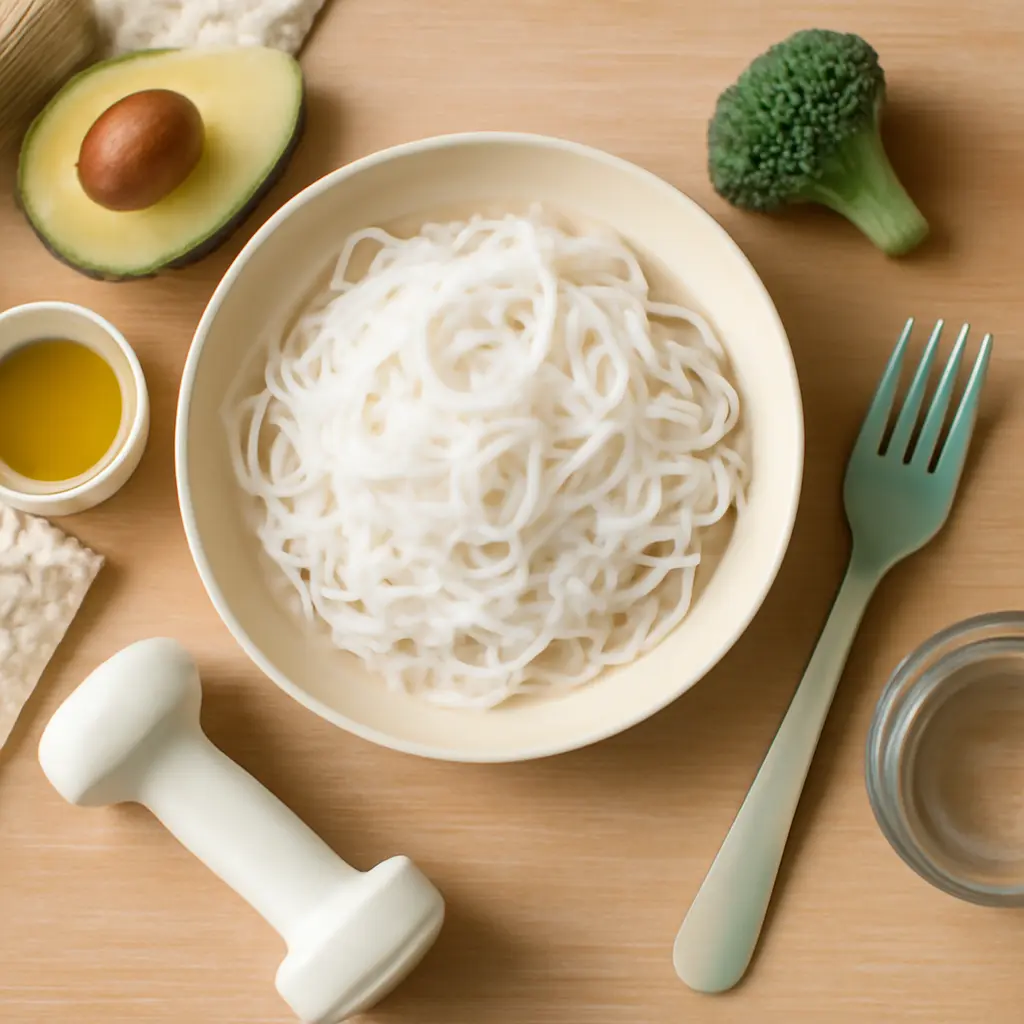
Glucomannan is a powerful soluble fiber, and its abundance in konjac noodles is a major reason for their nutrient-rich profile. Soluble fiber is well-documented for its ability to improve digestive health by promoting bowel regularity and supporting the gut microbiome. Research suggests that glucomannan can aid in weight loss by delaying gastric emptying, thereby prolonging the sensation of fullness and reducing overall calorie intake.
Low-Calorie and Low-Carbohydrate Options
Konjac noodles are incredibly low in calories, with just a few calories per 3.5-ounce serving. This is largely due to their high water content, which accounts for approximately 97% of the noodles. Additionally, they contain minimal carbohydrates, making them an ideal choice for low-carb diets like the ketogenic diet. For those looking to reduce their caloric intake without sacrificing satiety, konjac noodles offer a viable solution.
Supporting Satiety and Weight Management
One of the most touted benefits of konjac noodles is their ability to enhance satiety. The glucomannan fiber expands in the stomach, absorbing water and creating a feeling of fullness that can help control appetite and reduce the likelihood of overeating. This property is particularly beneficial for individuals who are trying to lose weight or maintain a healthy weight.
Health-Enhancing Properties of Glucomannan
Cardiovascular Benefits
Studies have demonstrated that glucomannan can play a significant role in improving heart health. Regular consumption can help lower LDL cholesterol (often referred to as “bad” cholesterol) and triglycerides, thereby reducing the risk of cardiovascular disease. This benefit is especially valuable given the global rise in heart-related health issues.
Blood Sugar Regulation
Glucomannan may also contribute to better blood sugar control, making konjac noodles a potential ally for individuals managing diabetes. By slowing down the absorption of sugar in the bloodstream, glucomannan helps to stabilize blood sugar levels, reducing spikes that can lead to complications over time.
Digestive Health Support
As a fiber-rich food, konjac noodles can promote digestive health by alleviating constipation and supporting a healthy gut microbiome. The increased fiber intake can lead to a more regular bowel movement pattern, contributing to overall digestive well-being.
Daily Use and Lifestyle Applications
Culinary Versatility
Konjac noodles have a neutral flavor, making them a versatile base for a variety of dishes. They can be easily incorporated into soups, salads, and stir-fries or used as a substitute for traditional pasta in favorite recipes. This adaptability allows for creative culinary exploration while maintaining a low-calorie intake.
Allergy-Friendly Food
For individuals with food allergies or dietary restrictions, konjac noodles are a safe choice. They are naturally gluten-free, soy-free, and nut-free, making them suitable for people with specific dietary needs or those following an allergen-free diet.
Balanced Perspective and Safety
Considerations for Consumption
While konjac noodles offer numerous health benefits, it is crucial to consume them as part of a balanced diet. Over-reliance on any single food item may lead to nutrient imbalances. It is important to pair konjac noodles with a variety of nutrient-dense foods to ensure a well-rounded diet.
Potential Side Effects
Incorporating a high amount of fiber suddenly can lead to gastrointestinal discomfort for some people, including bloating or gas. To mitigate this, it is advisable to introduce konjac noodles gradually into the diet and ensure adequate hydration, as fiber functions best with sufficient water intake.
Conclusion
Konjac noodles present an exciting opportunity for those looking to manage weight, enhance dietary fiber intake, and explore new culinary possibilities. Their rich fiber content, low-calorie and carbohydrate profile, and health-promoting properties make them a valuable addition to a balanced diet. As with any dietary change, moderation and balance are key to maximizing benefits and maintaining overall health.


